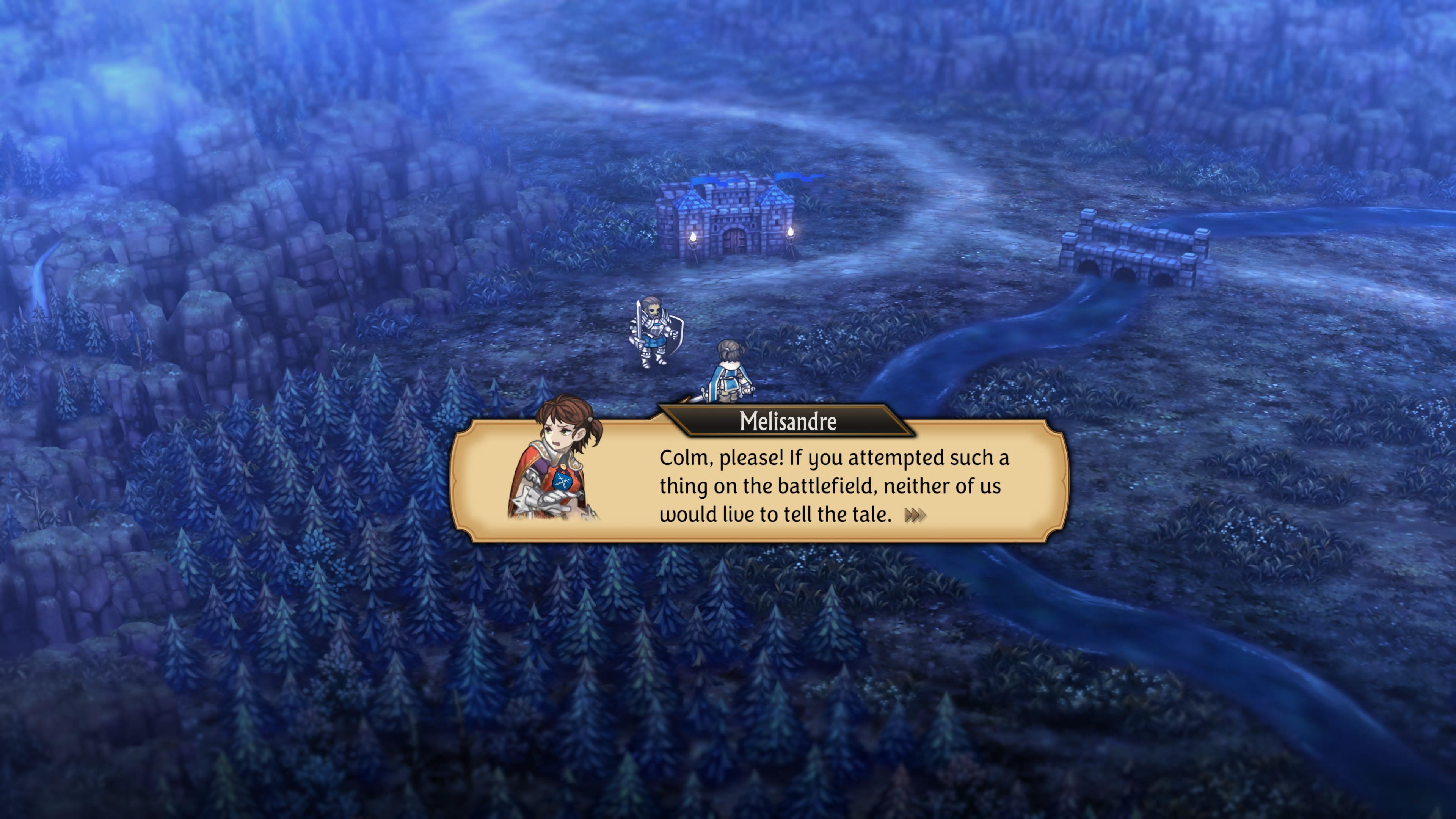
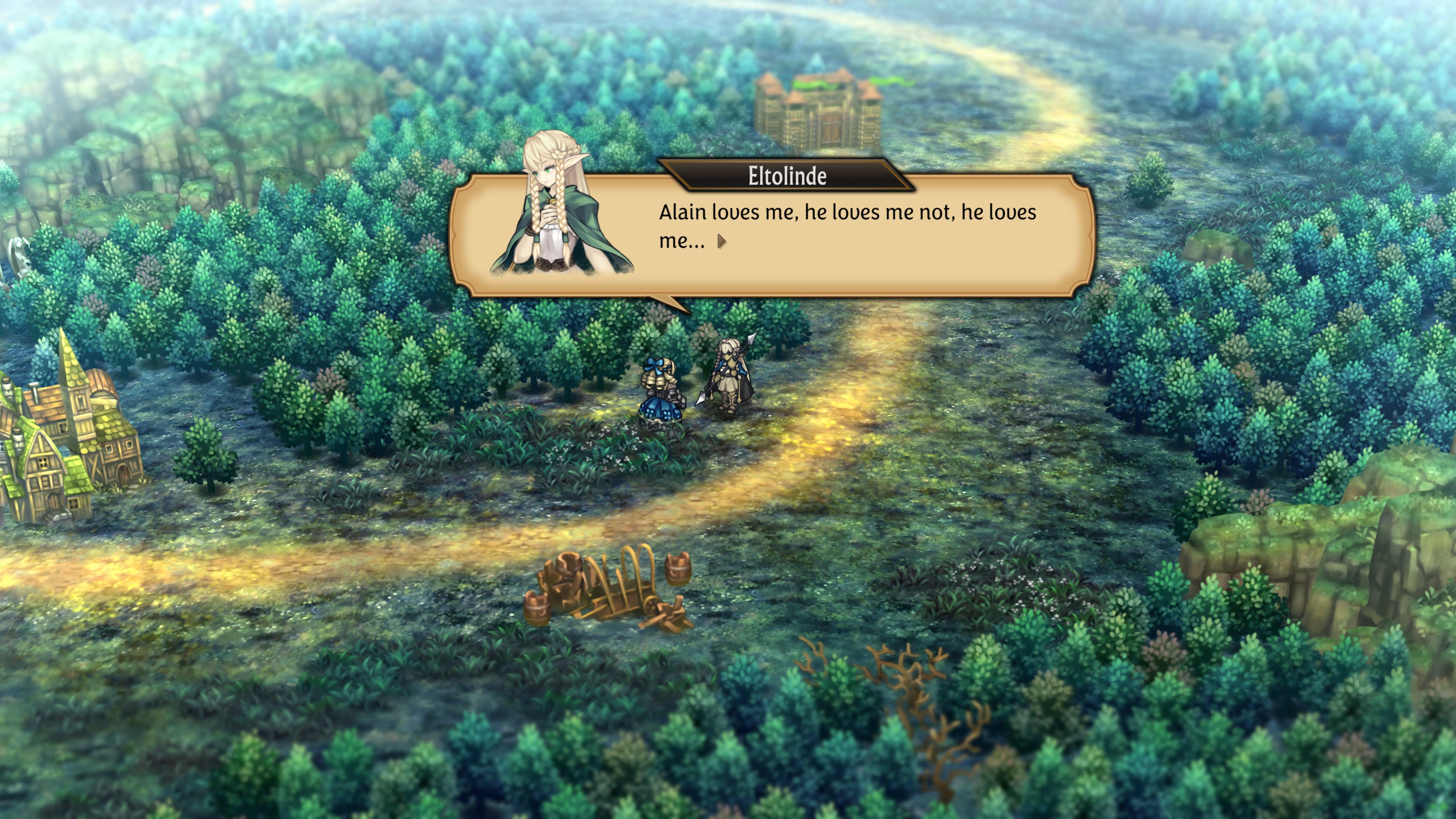
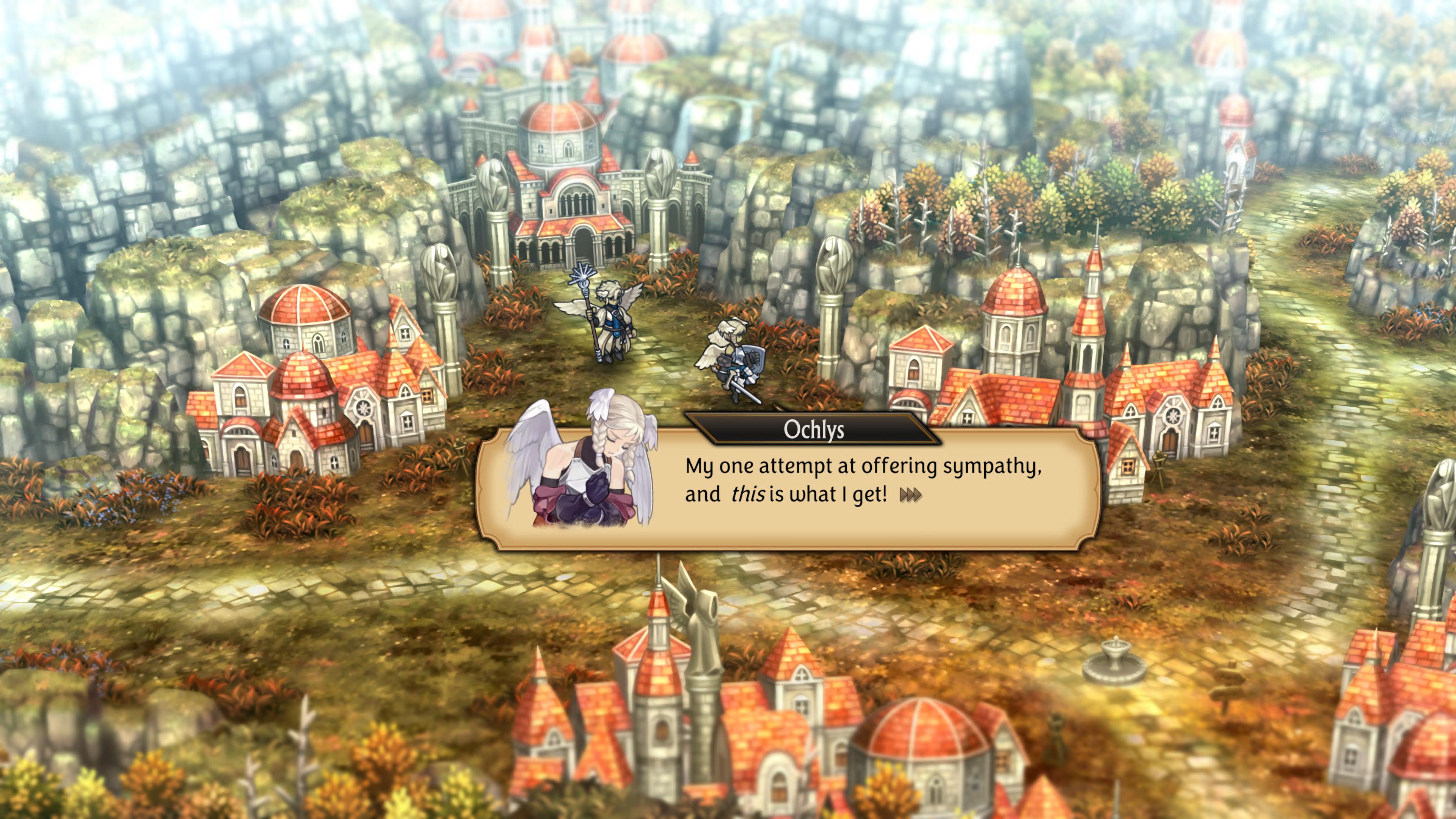
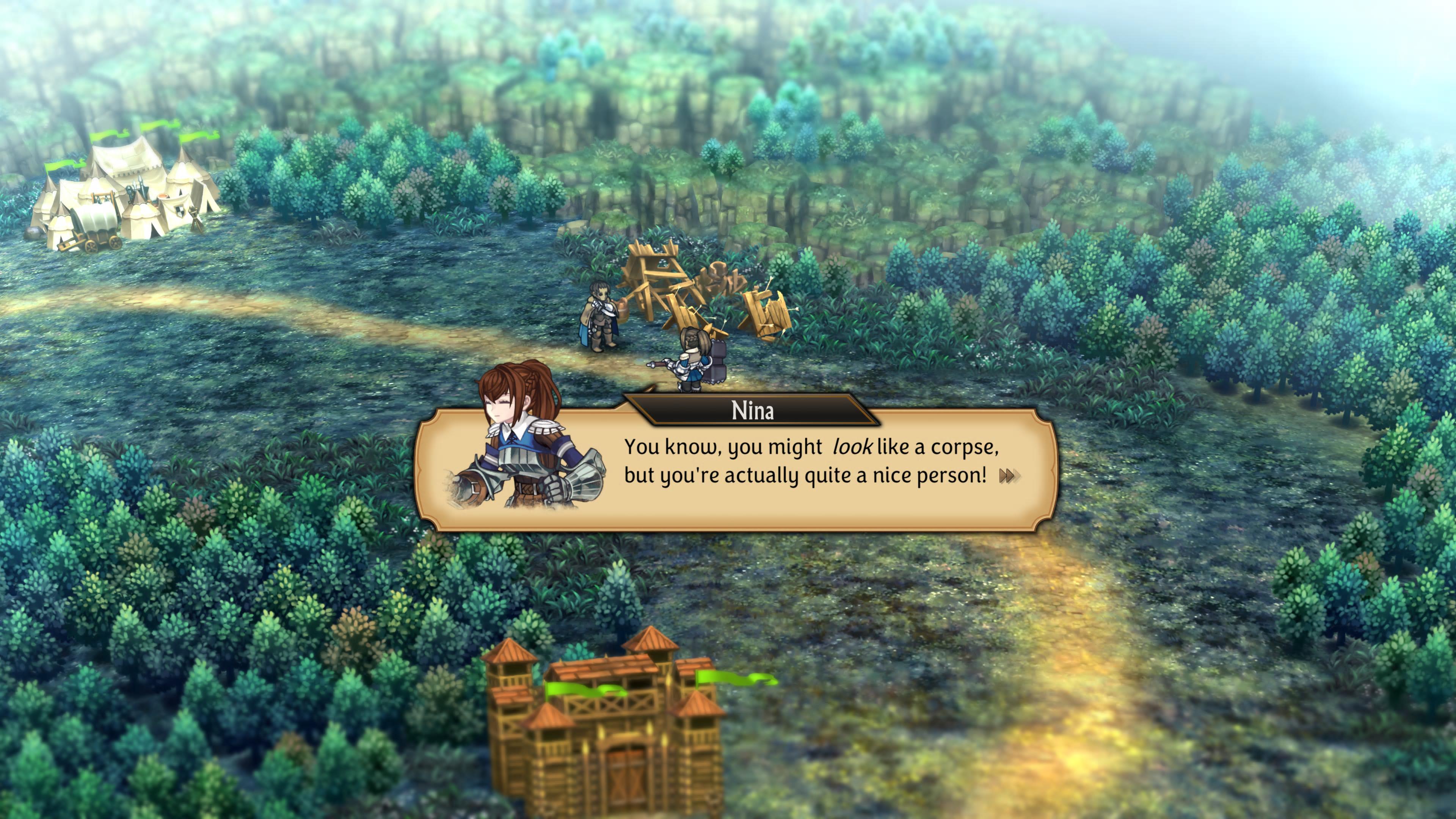
Unicorn Overlord
Playtime: 115.4 Hours
Finished 13 June 2026.
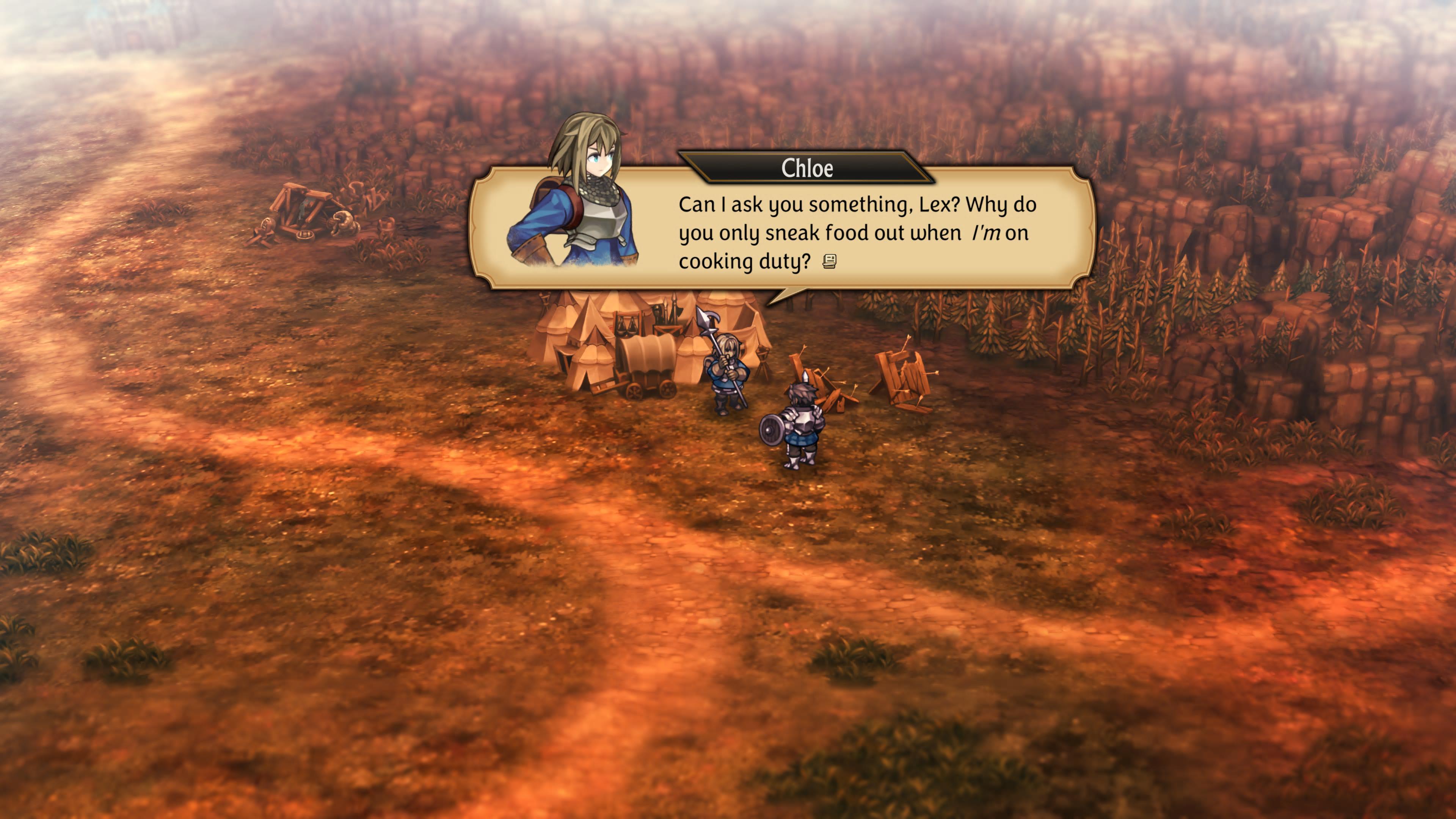
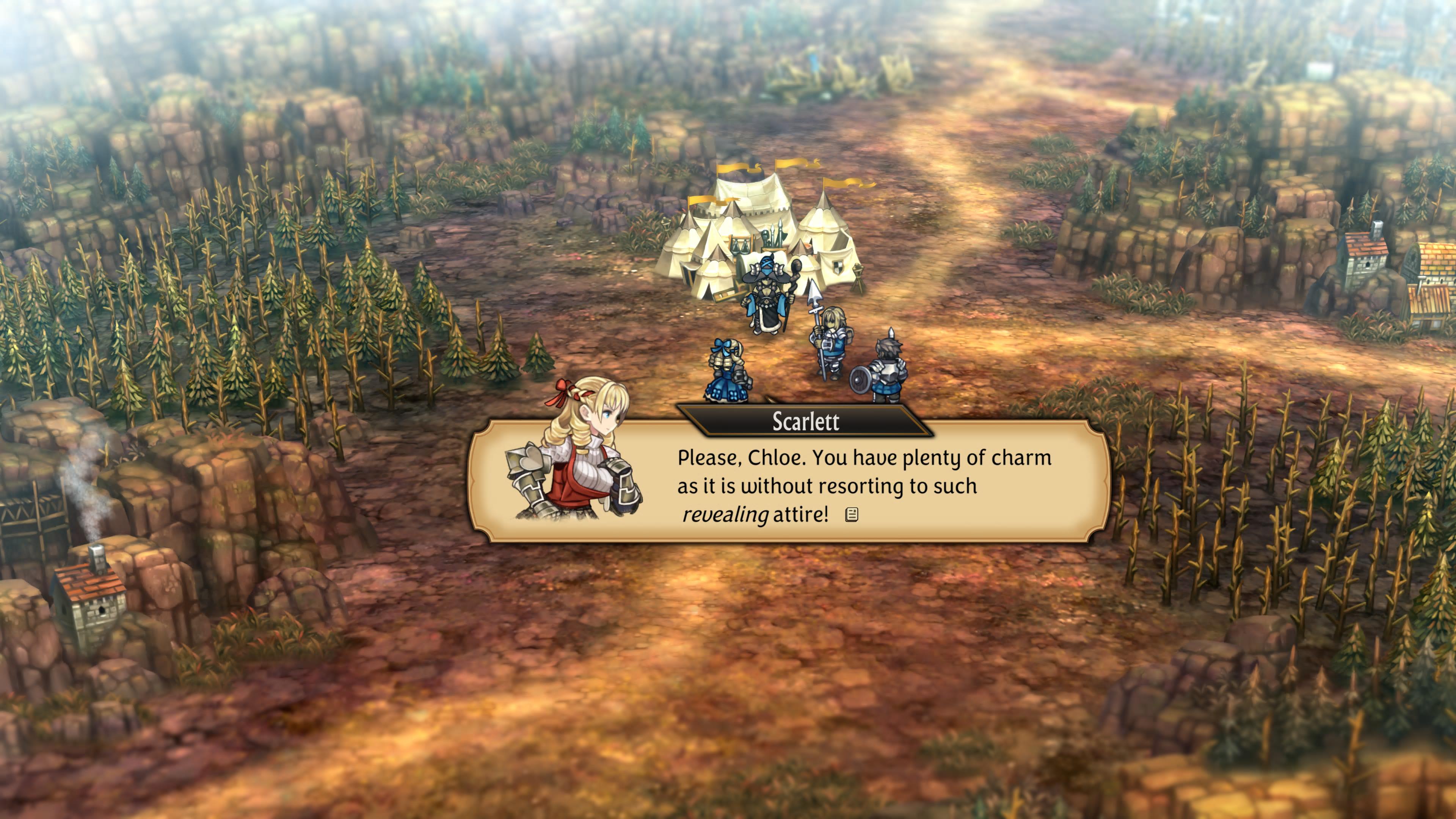
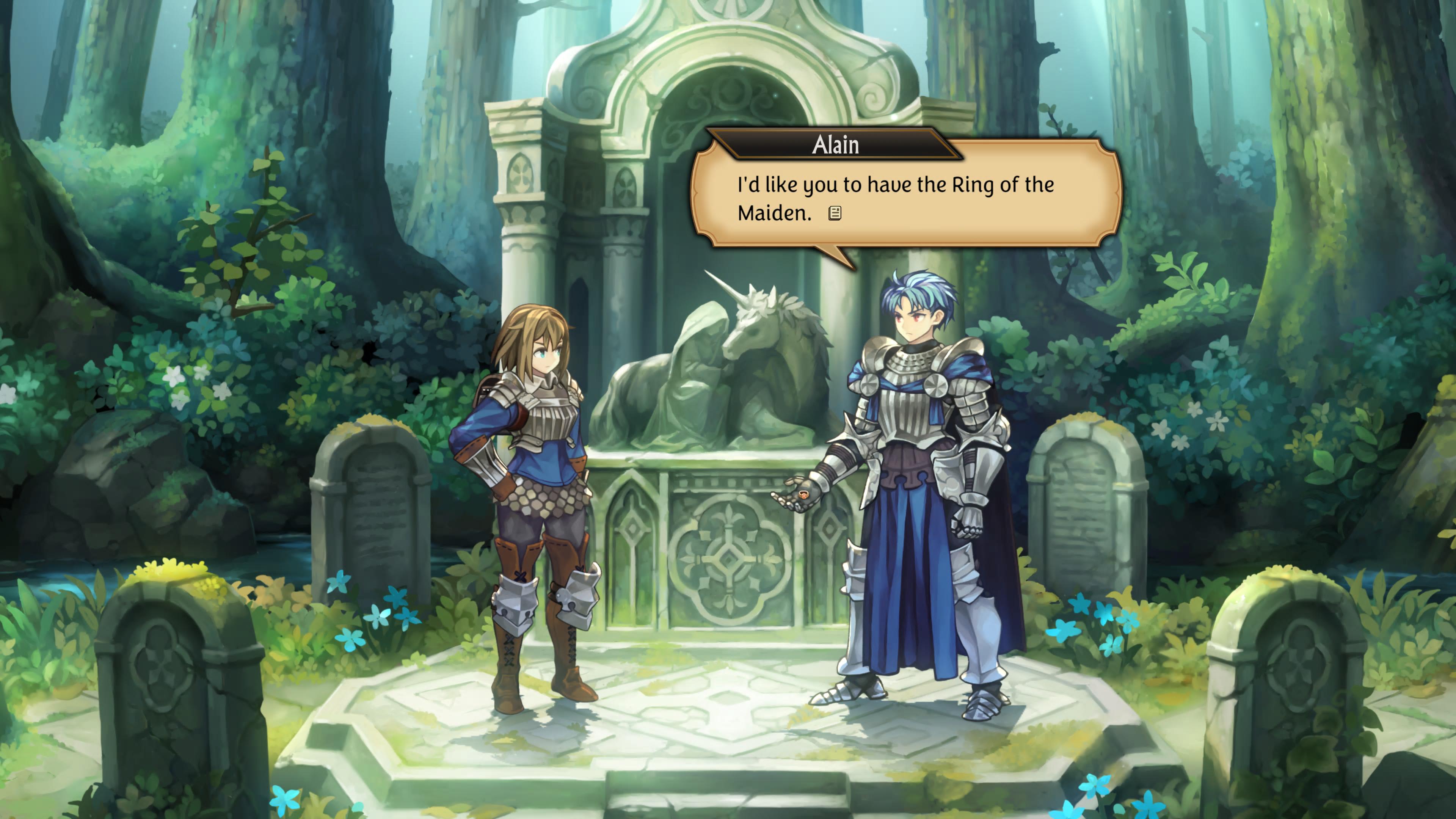
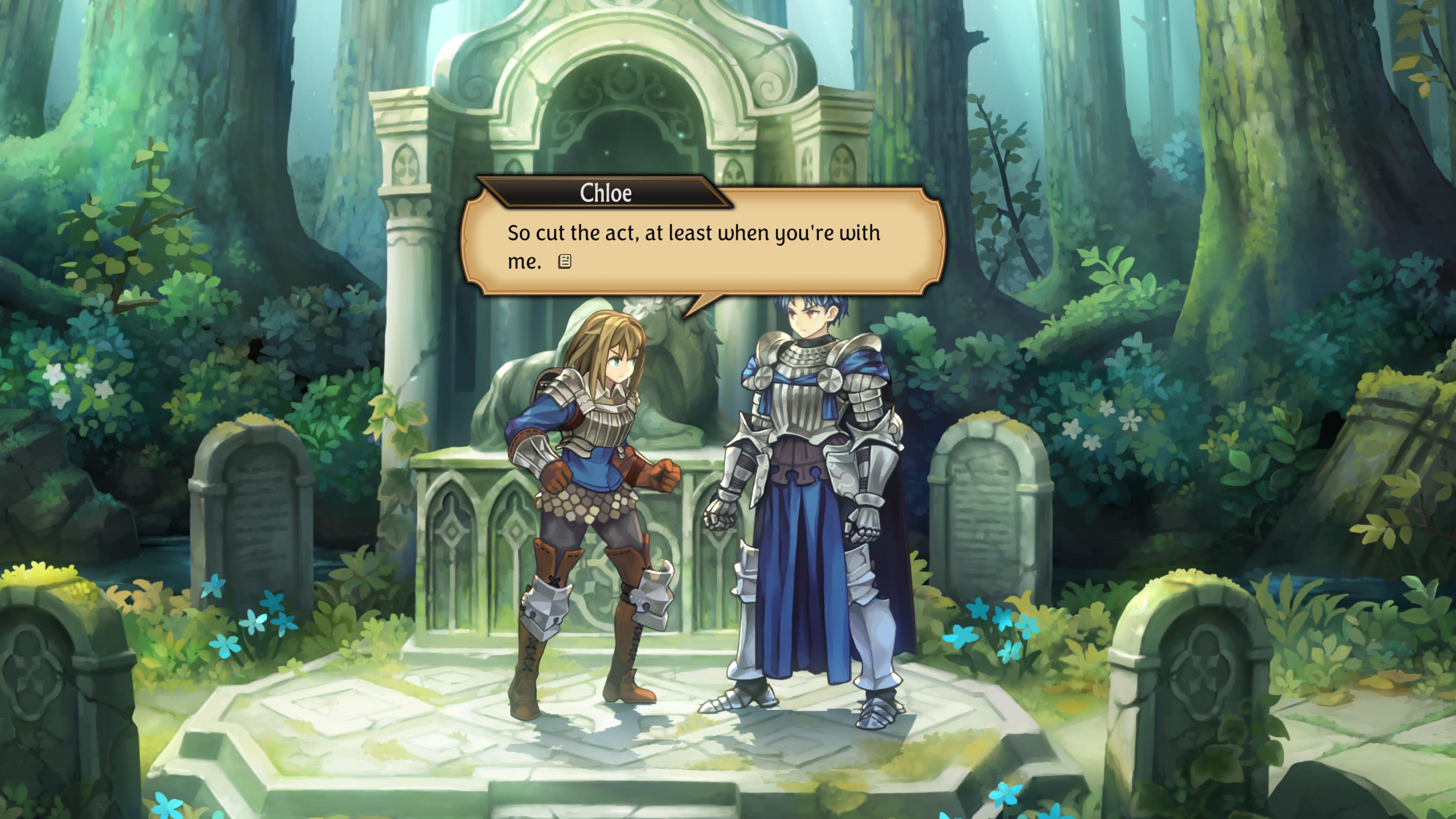
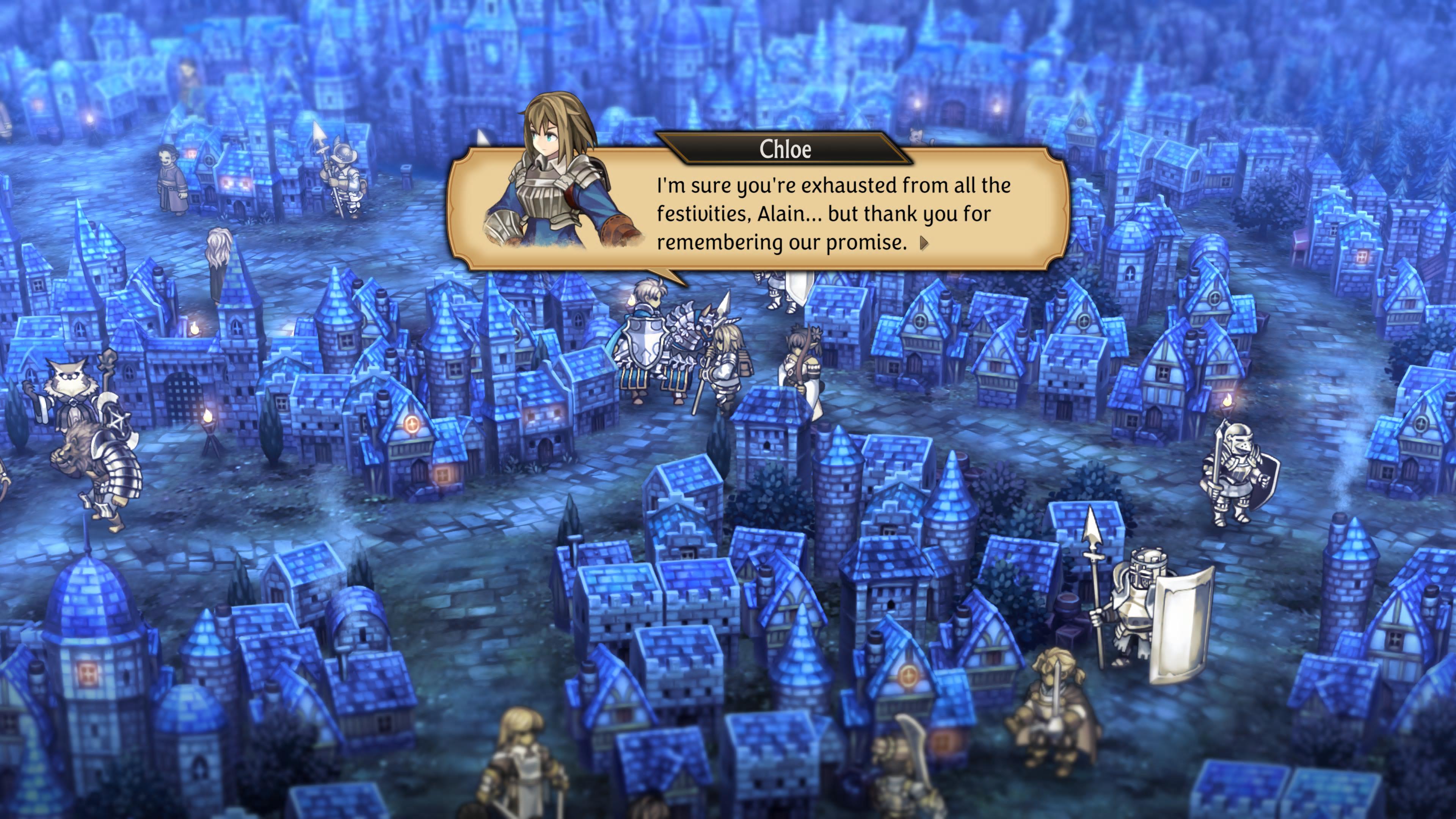
Bought it on both the PS5 and Switch, but decided to go with the PS5 for now to experience it in maximum fidelity. Played on Tactical difficulty throughout, which ended up being a bit easy, but still reasonable towards the latter half of the game. I had to give the Maiden's Ring to Chloe (waifu), and went for the True Ending - which I believe adds just one extra fight. I want to do another playthrough sometime (probably on the Switch 2), but given the massive time investment into this game I have no idea when I'll get around to it. It would definitely have to be on a higher difficulty, now that I have a much stronger grasp of the game. I wanted to experience as much as I possibly could in this playthrough; here's a short list of things I completed in no particular order:
- Recruited all characters.
- Viewed all character rapport conversations (this took ~10 hours).
- Finished all side quests.
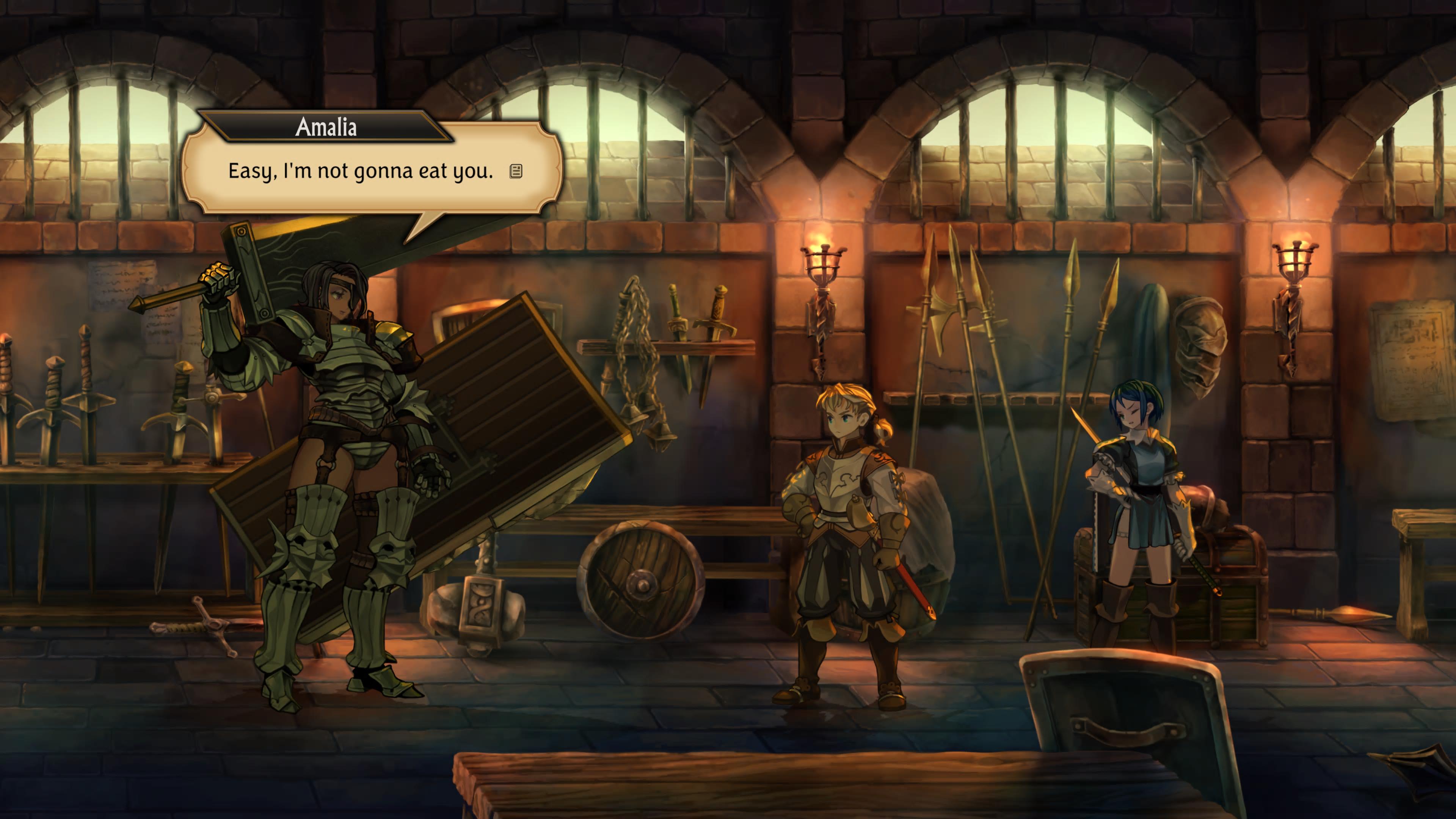
- Completed the basic Coliseum fights, to recruit Amalia.
- Maximized size of all squads, and promoted every unit in my army (including mercenaries).
- Restored all towns, and stationed units at every one of them.
- Max Level (50) on a number of units, primarily in Alain's squad.
- Renown Rank S, obtained part way through Drakenhold when I was grinding renown (lol).
- Explored the entire map.
- Found almost all Archive entries; last 2 remaining are obtained in the Normal ending.
- Finished almost all Postgame content (bonus mission, Dreadnought fights).
- Somewhere along the line, obtained the Platinum PS5 trophy.
Pretty much the only things I haven't done boil down to the extended series of postgame offline Coliseum fights, and Online PVP. But since I'm not really interested in those, there really isn't much else the game has to offer me for now; the small size of Vanillaware simply makes it impossible to put lots of infinitely-repeatable content in their games or extensive post-launch updates. Though to be clear, the game is absolutely a complete experience as-is.
Waifu Tier List
Character Tier List
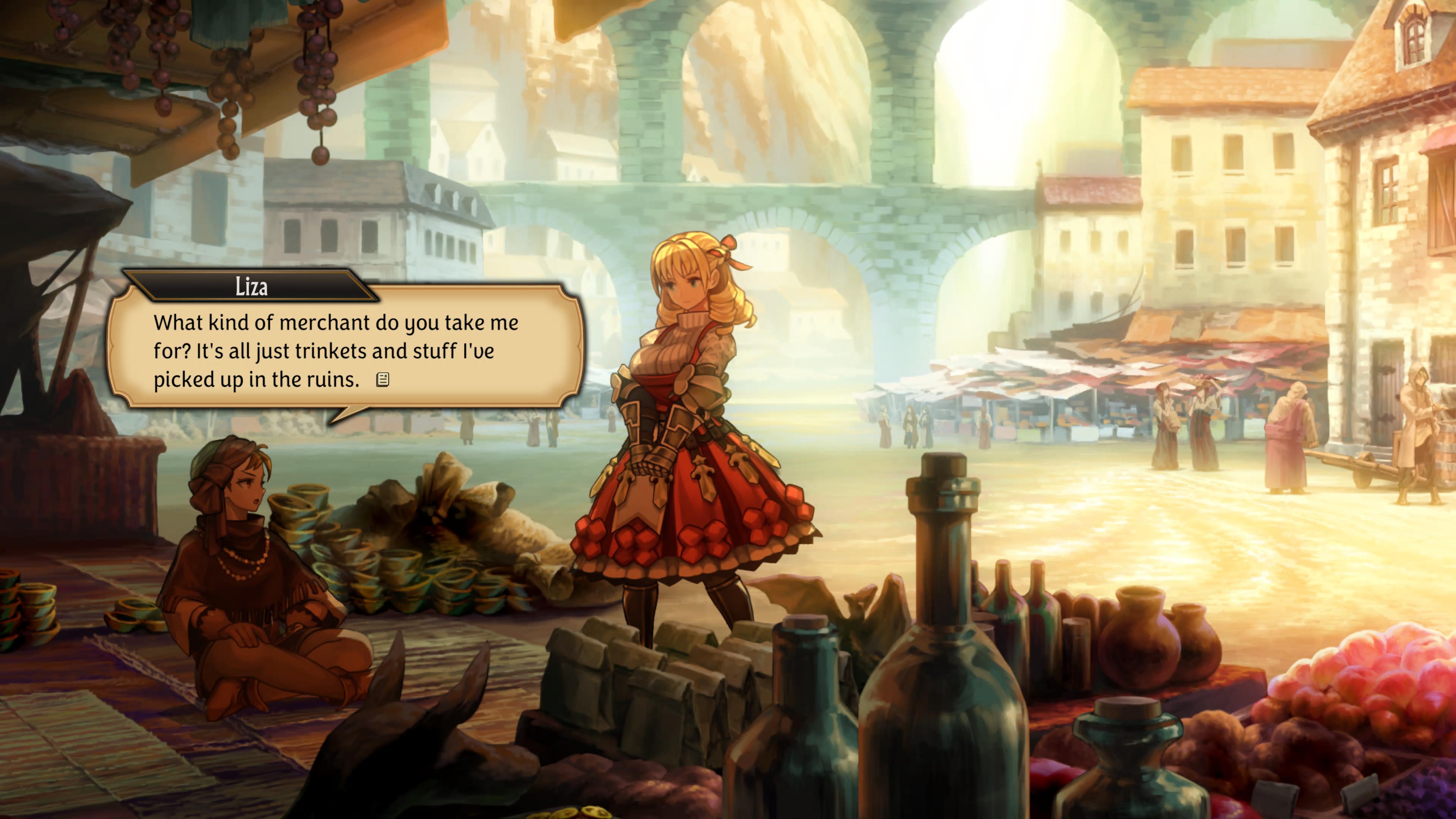
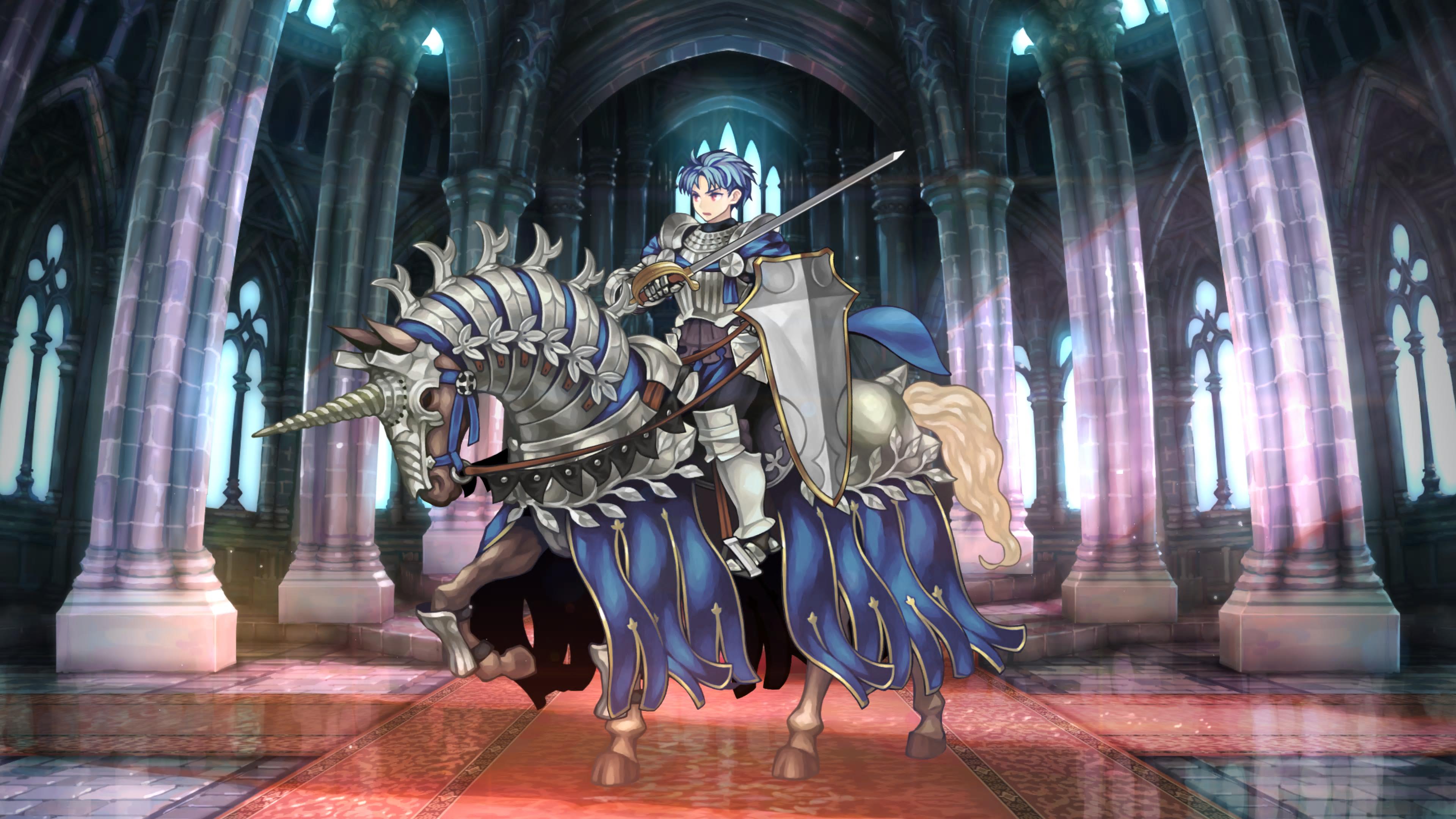
I'm surprised it took me so long to finally get around to this game, but I'm very glad I did; Vanillaware's latest effort at making a TRPG absolutely blew me away. To be direct, I consider this game to be very close to perfect, with most of its shortcomings coming from the fact that they very nearly ran out of money before releasing this game again - as a result, some of the later parts of the game definitely feel less complete, though more for a lack of content rather than a lack of polish. The gameplay systems are an homage to Ogre Battle (an old TRPG that I've never played), which lots of people are extremely eager to point out - as far as I can tell, this game is a faithful evolution to its mechanics. Several of the other systems have definitely taken at least some cues from Fire Emblem, and it overall feels quite familiar to me while still carving its own unique niche in my library.
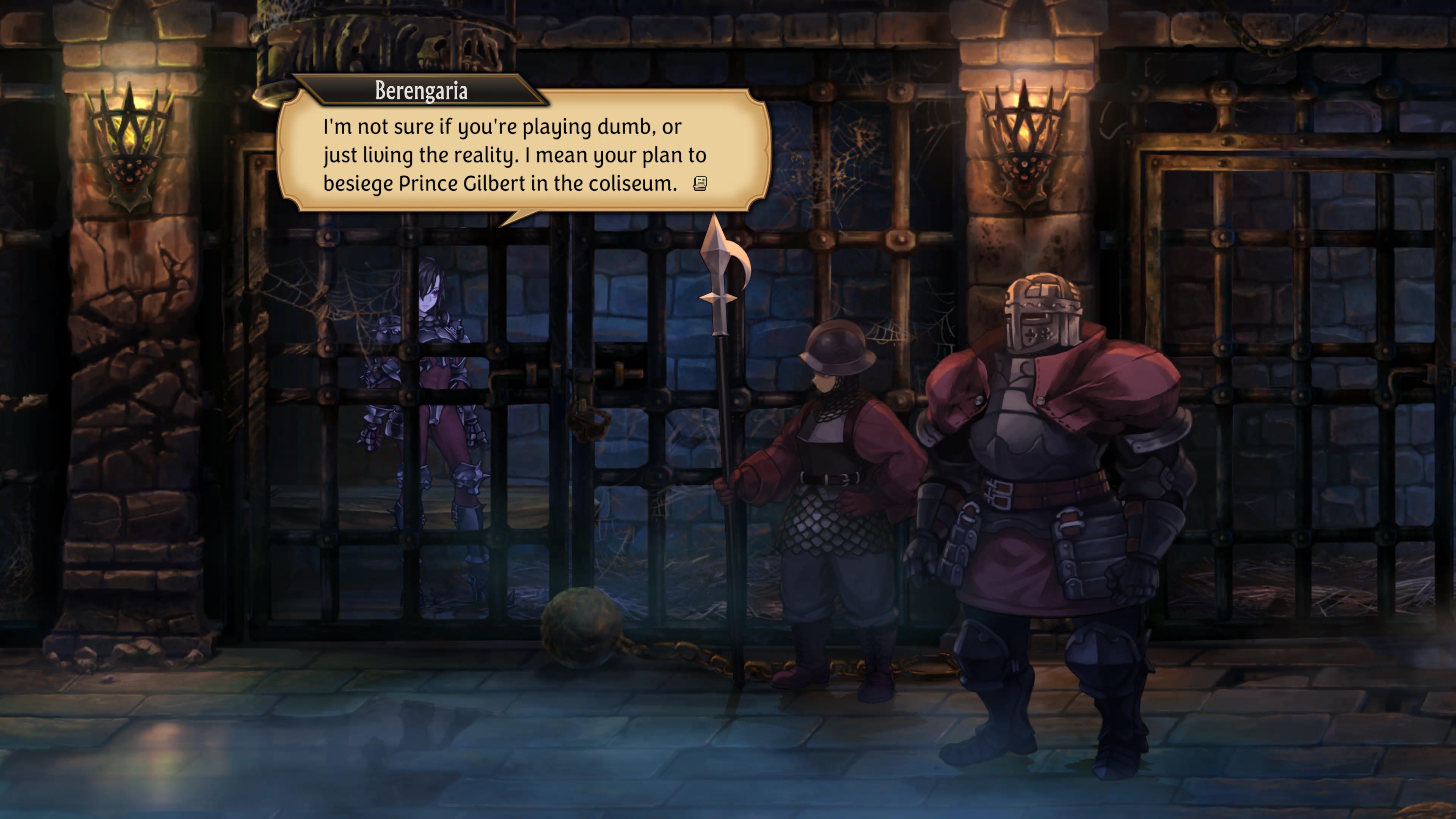
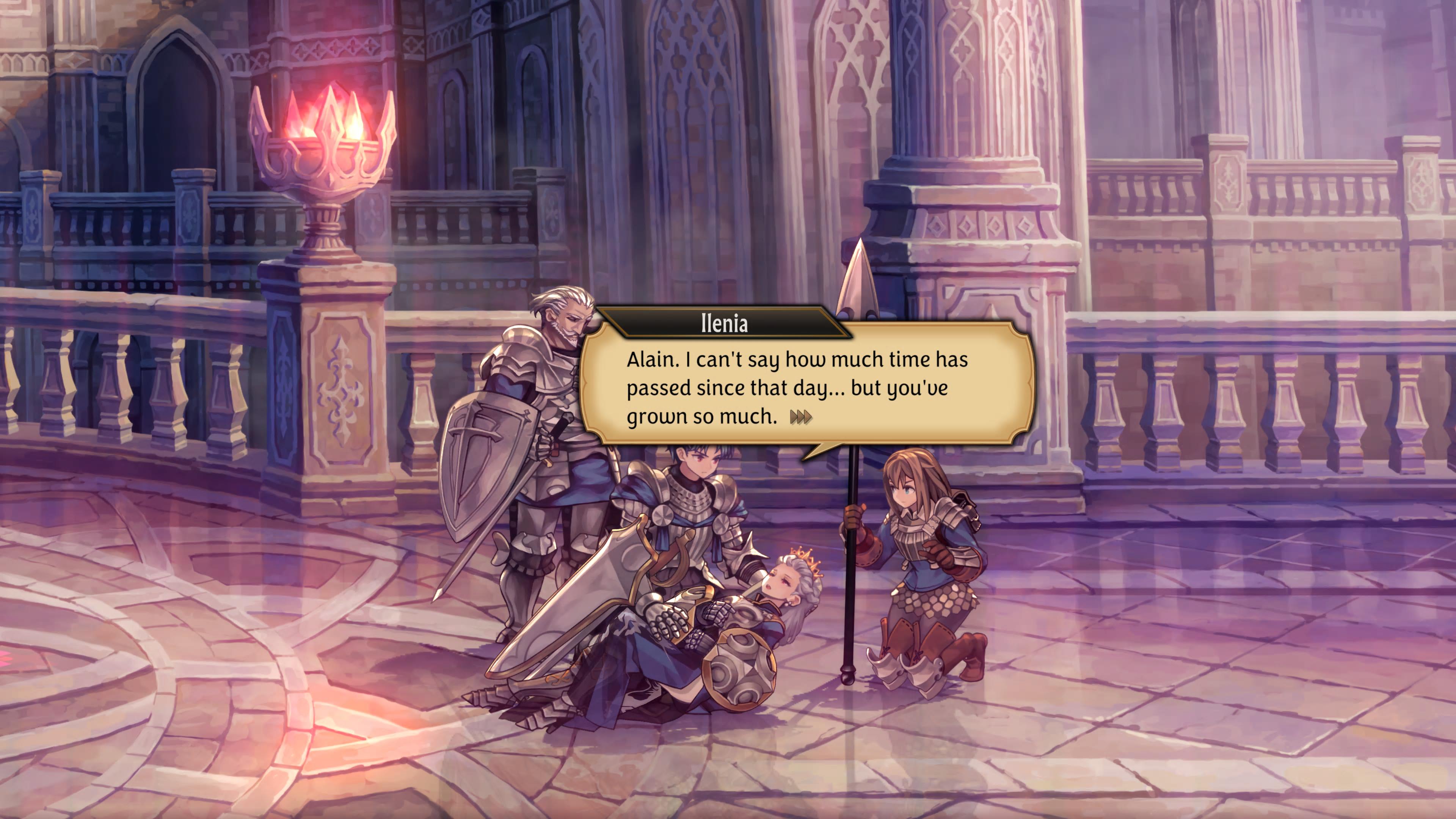
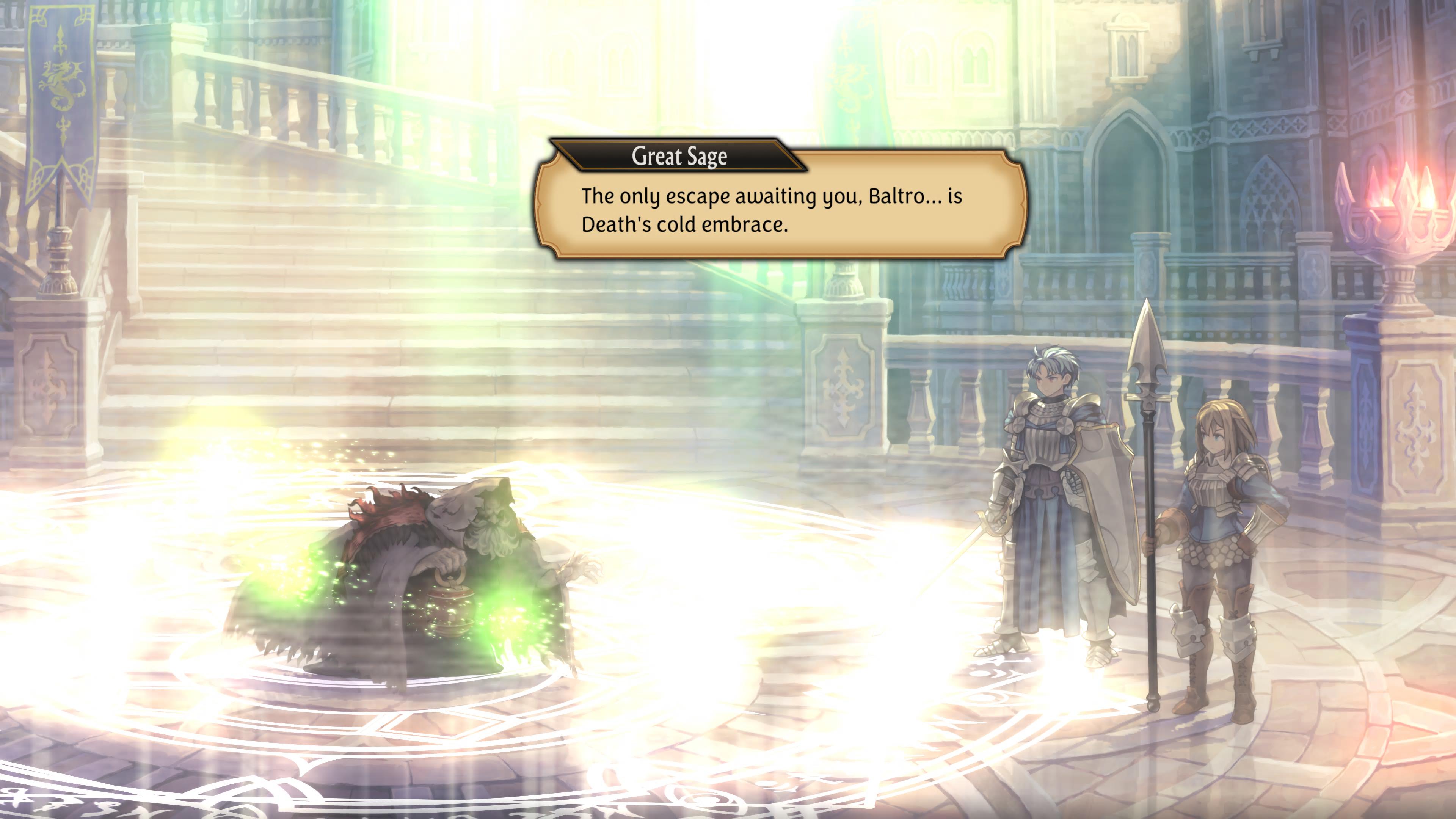
In stark contrast to the complex, interlocking plotlines and characters of 13 Sentinels, Unicorn Overlord has a much simpler story akin to their older titles. Simply put, Alain is the crown prince of Cornia, a nation located in the center of the continent of Fevrith. A sudden rebellion from Valmore, a Cornian general, quickly wipes out most resistance across the land, and Alain is whisked away to the remote island of Palevia, where he trains for the next decade to one day take back his homeland and liberate not just Cornia, but all other nations of Fevrith that have all been put under the Zenoiran banner in the years since. While each individual nation - Cornia, Drakenhold, Elheim, Bastorias, Albion - has its own plot thread, all of them are quite simple and the main goal of the game never truly changes. Even the ending only has one significant twist - Galerius was Ilenia all along, possessed by a malevolent Zenoiran spirit from ancient times. You also technically learn that Baltro, a decrepit old necromancer and Galerius's second-in-command was actually the mastermind behind the entire plot all along, but that's incredibly obvious from the first moment you see him and doesn't count for much.
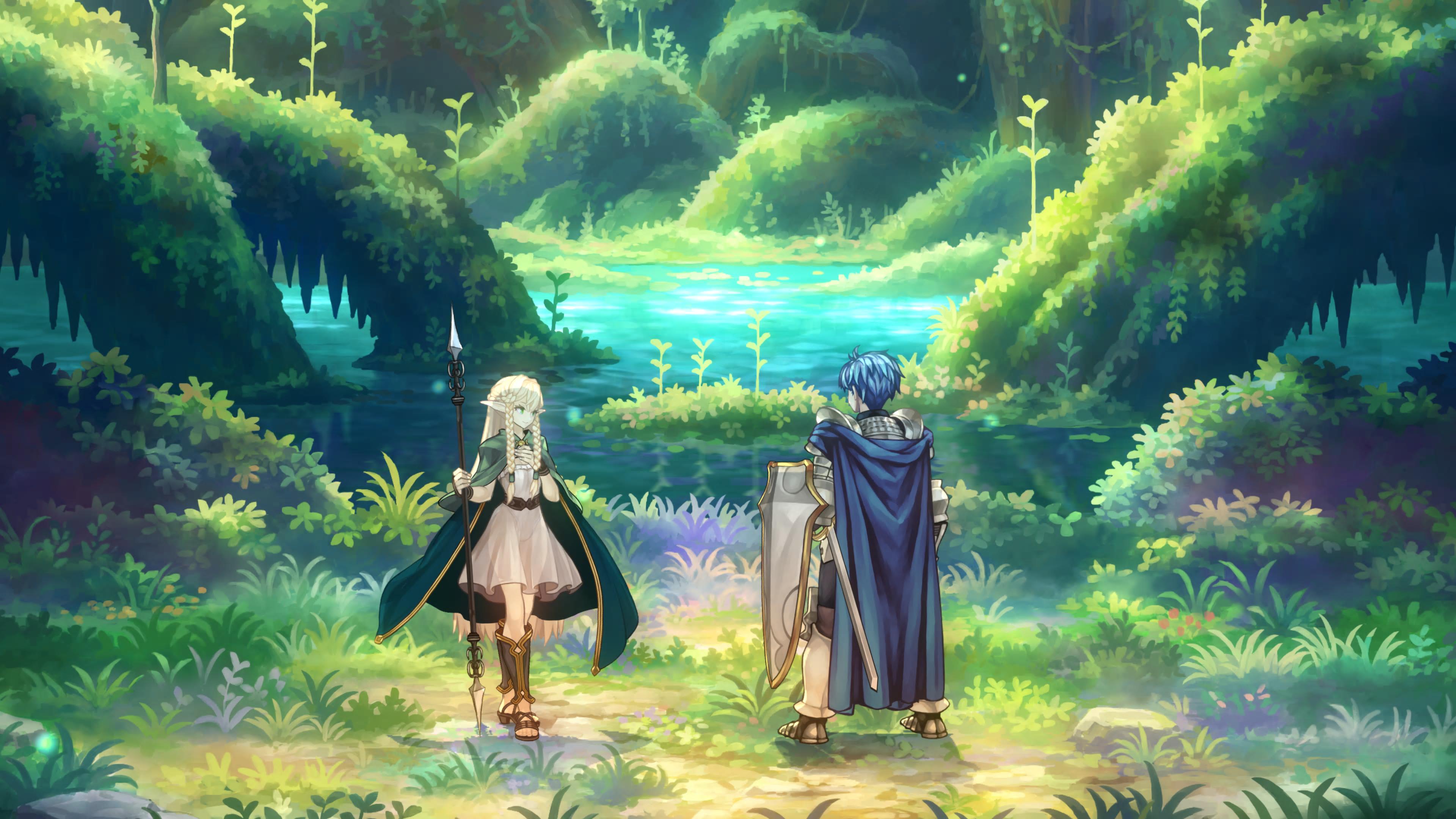
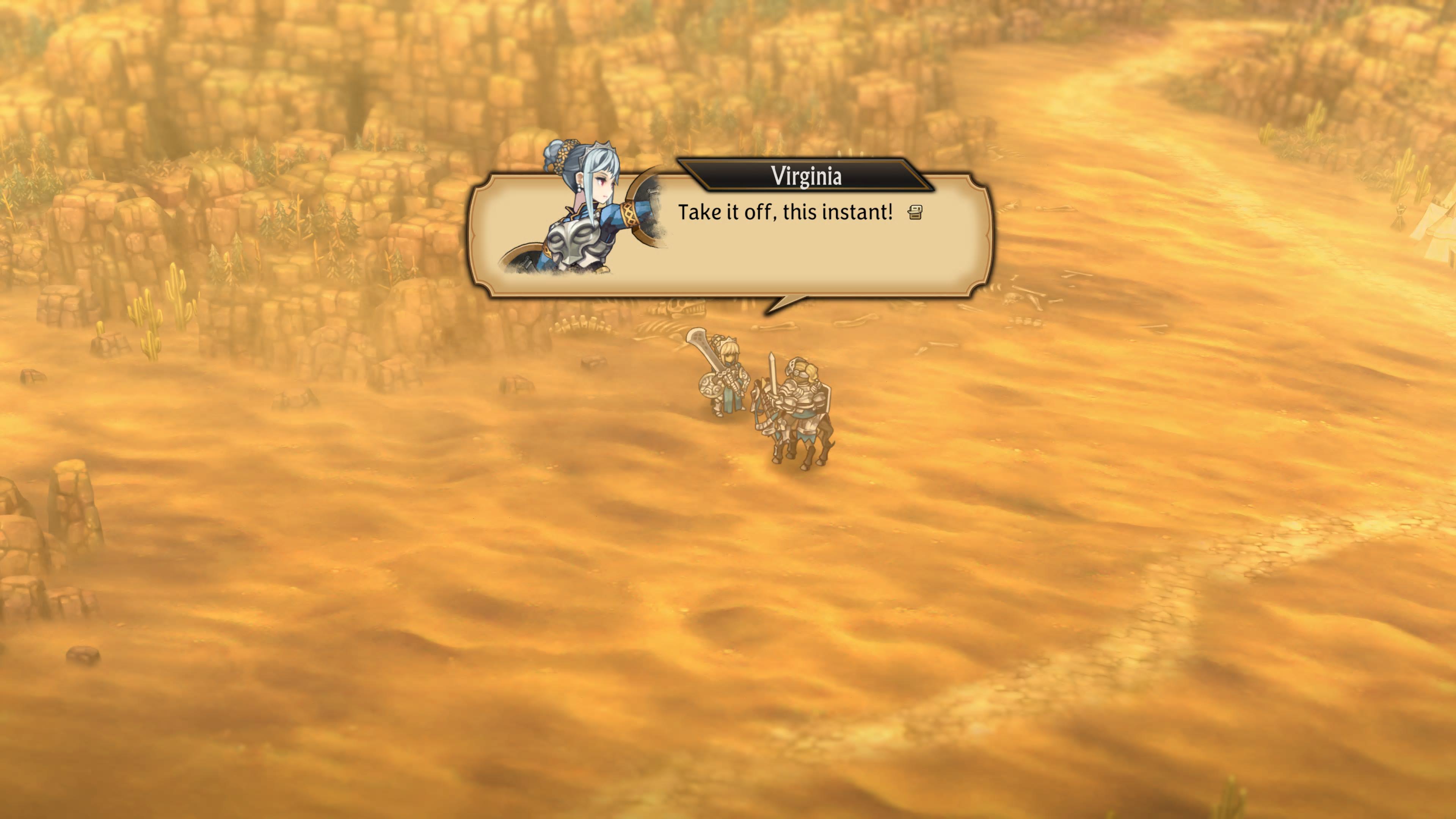
While it's hard to say the story is particularly inspiring in itself, it's supplemented by some very solid worldbuilding and a fantastic list of characters. The 5 main nations comprising the continent of Fevrith contain extremely varied environments, alongside plenty of different races and factions to match. While the humans in earlygame Cornia are essentially split into all of the archetypes you expect, you see some hardier folk in Drakenhold toughing it out in the deserts and canyons, elves among the lush greenery of Elheim, bestrals in the tundra up north in Bastorias, and winged angels in the remote region of Albion. All of them are technically common staples of a standard fantasy world, but they're integrated in a very natural way in UO.
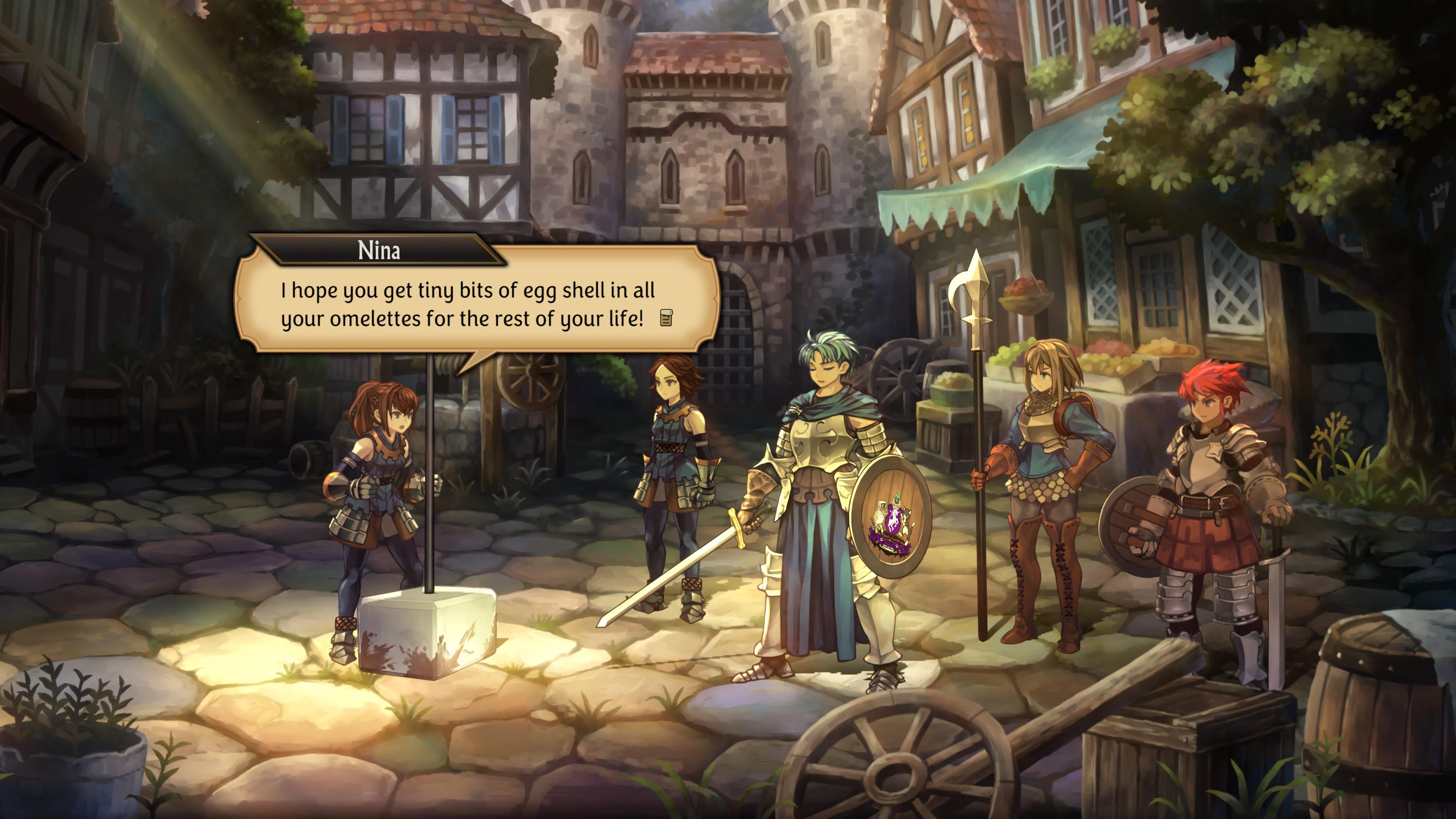
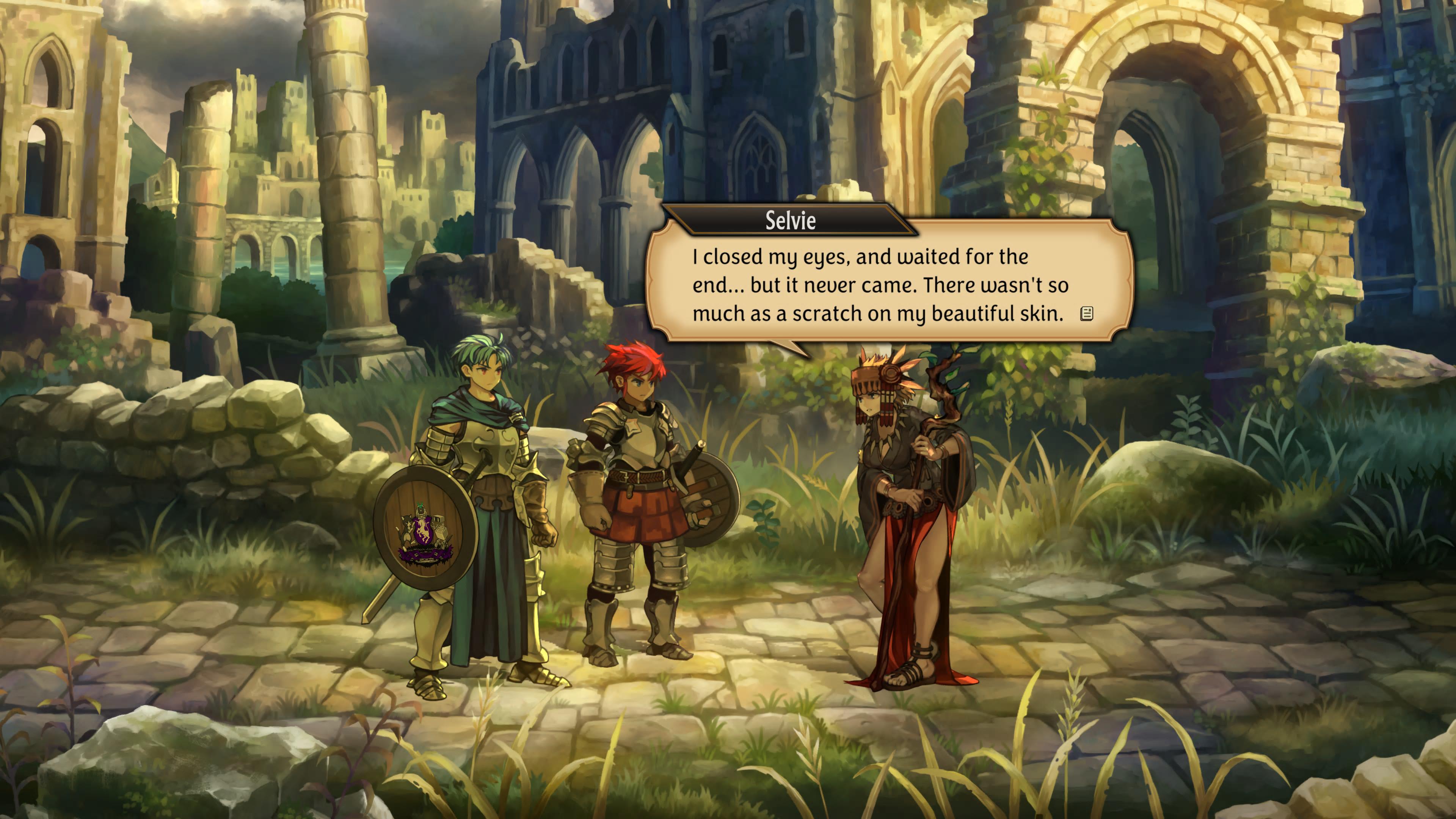
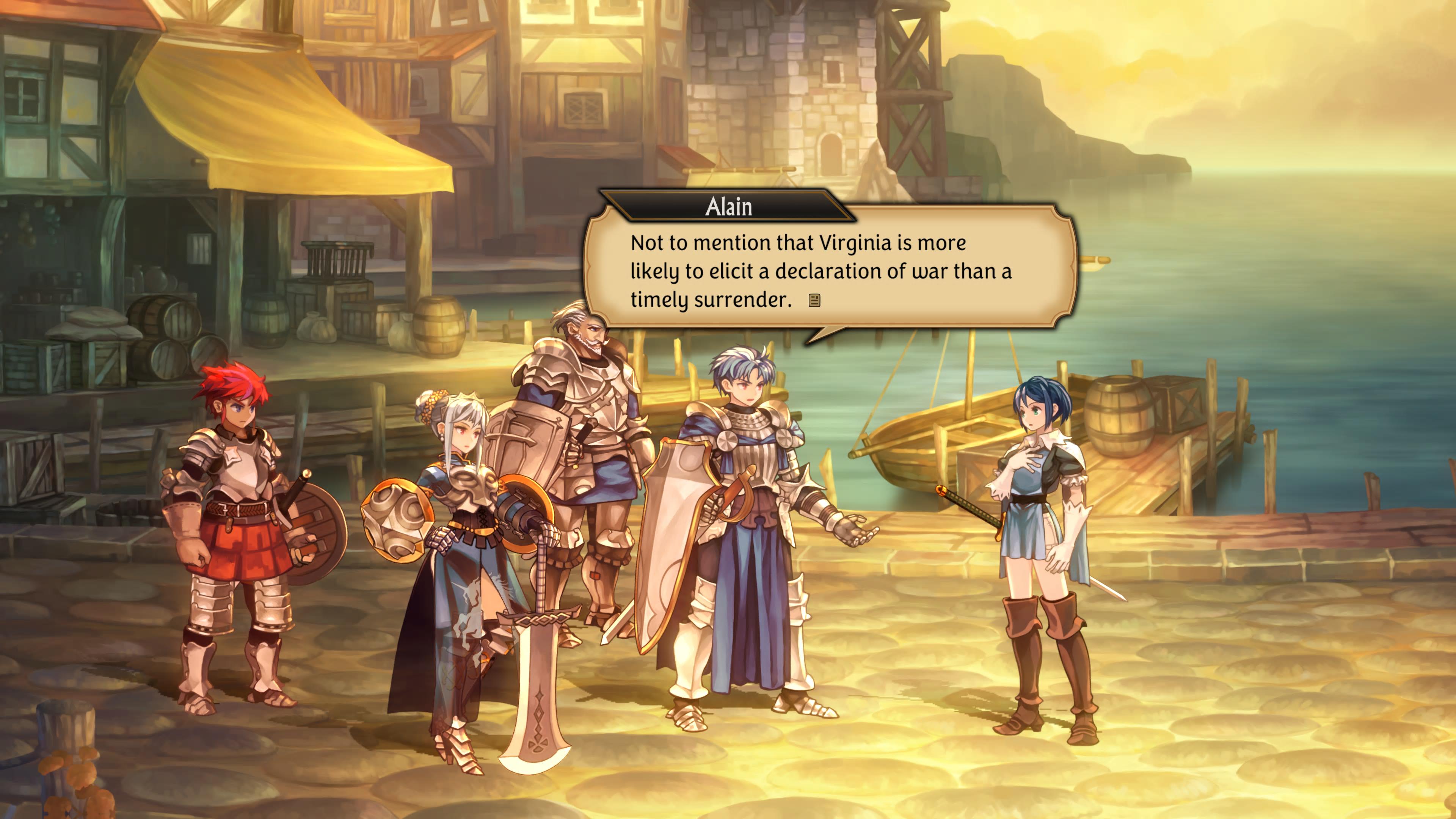
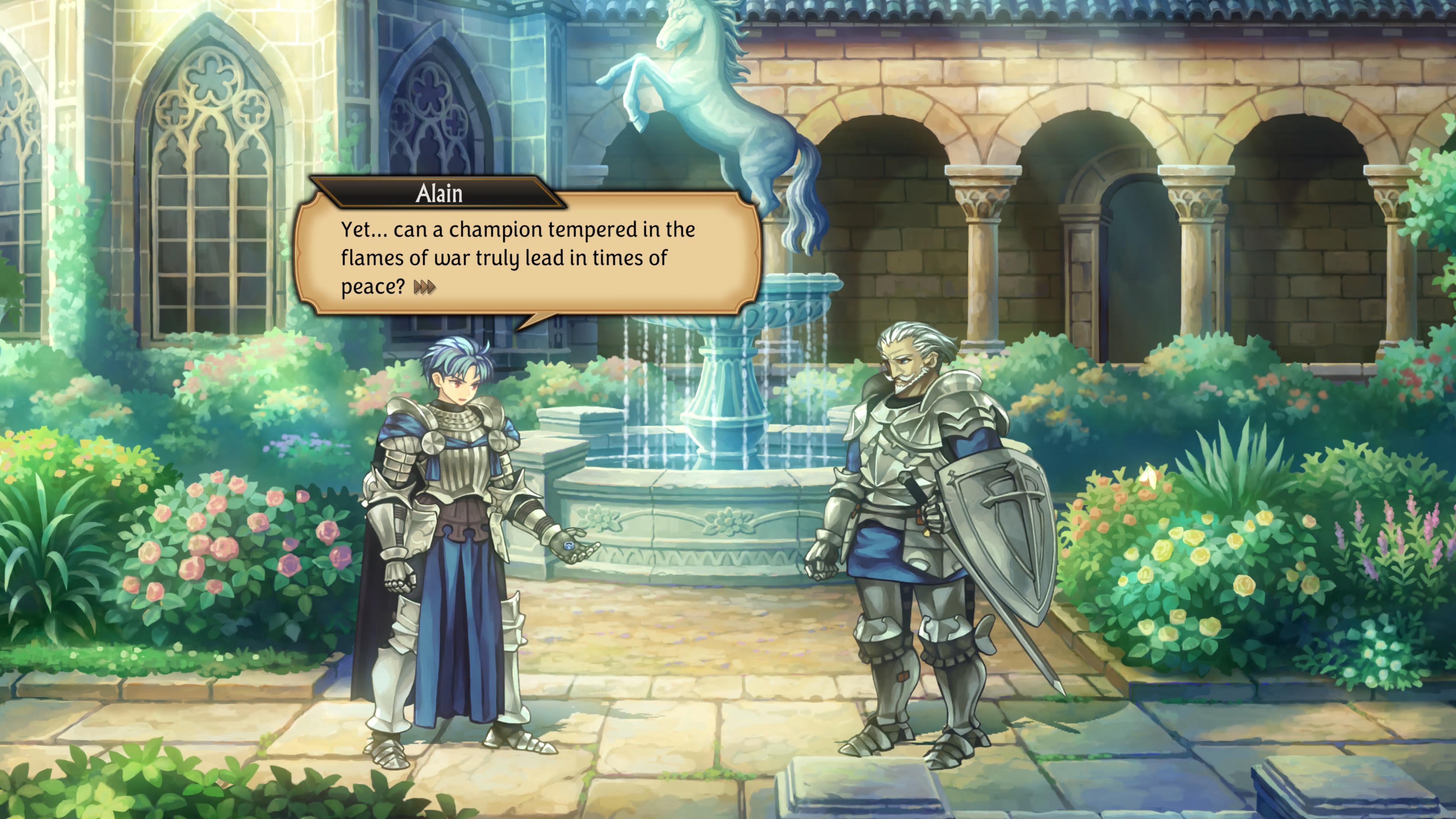
This game has an enormous roster of characters, larger than any individual Fire Emblem game as far as I am aware. Members of the Liberation are quite varied in their personalities and stories; while everyone has the common thread in fighting against Zenoira, motivations for doing so are generally unique to each character. These tend to trickle in a few at a time throughout the entire game, typically per main or side mission, introducing their stories and giving Alain a chance to formally recruit them to his army (or execute them). I do think the game does tend to lean a bit too heavily on the goody-two-shoes personalities a bit, with Alain being a pretty stereotypical JRPG main character. Most of the other "scoundrels" you recruit along the way all tend to redeem themselves in one way or another as well; Bryce ends up being a "noble" bandit, stealing from the rich and giving to the poor like Robin Hood, while Gammel has the strangest face-turn, reinventing himself from a murderer and pillager to a member of a small local militia in Elheim later on. The stark contrasts between the mostly well-intentioned cast of the Liberation (and even several of the regional Marquess units) alongside the comically evil Galerius & Baltro make for an oddly binary view of morality, which produces a bit of tonal whiplash. I'd definitely consider this to be a greater knock on the game if the story was a more significant element of it.
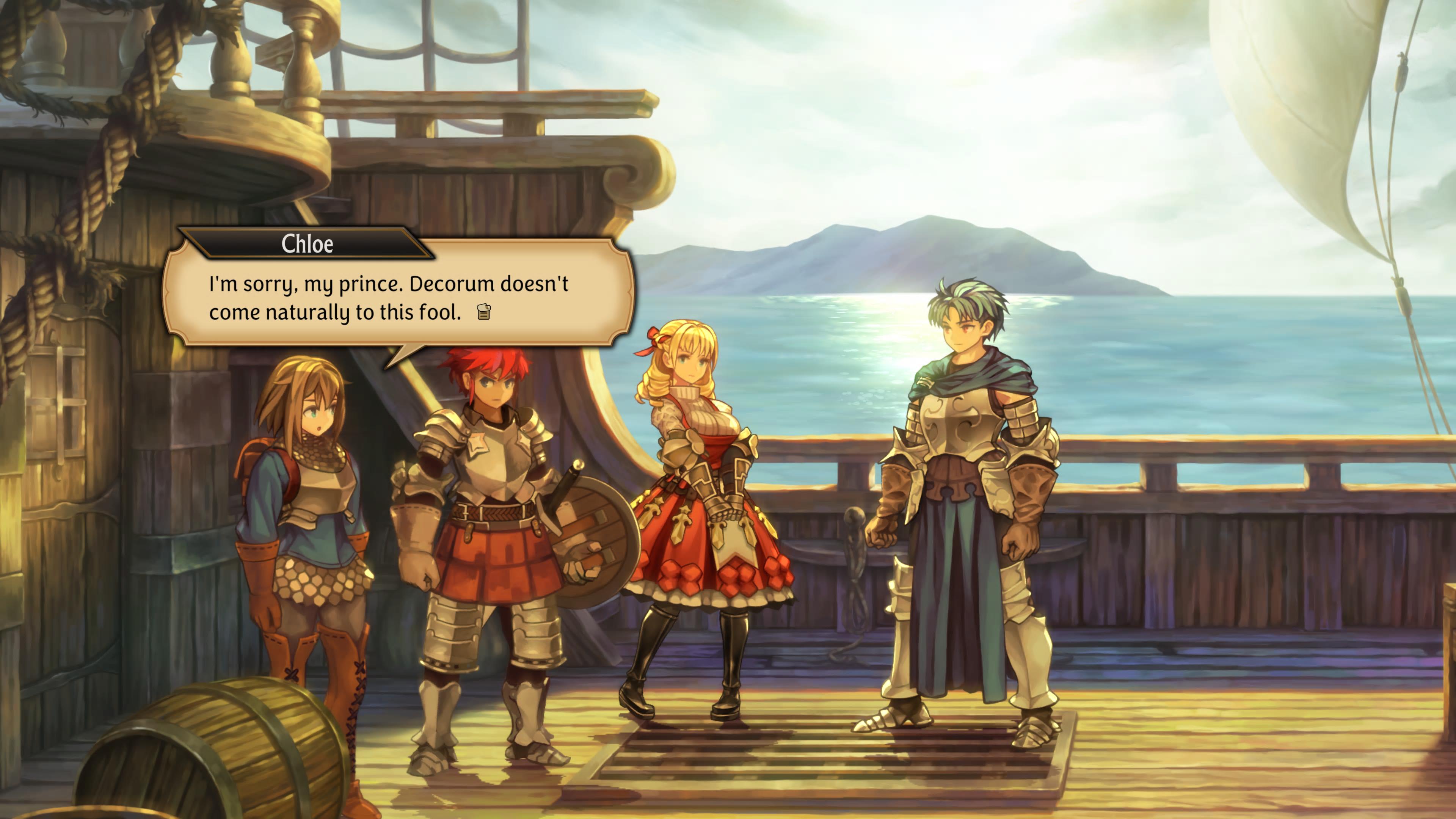
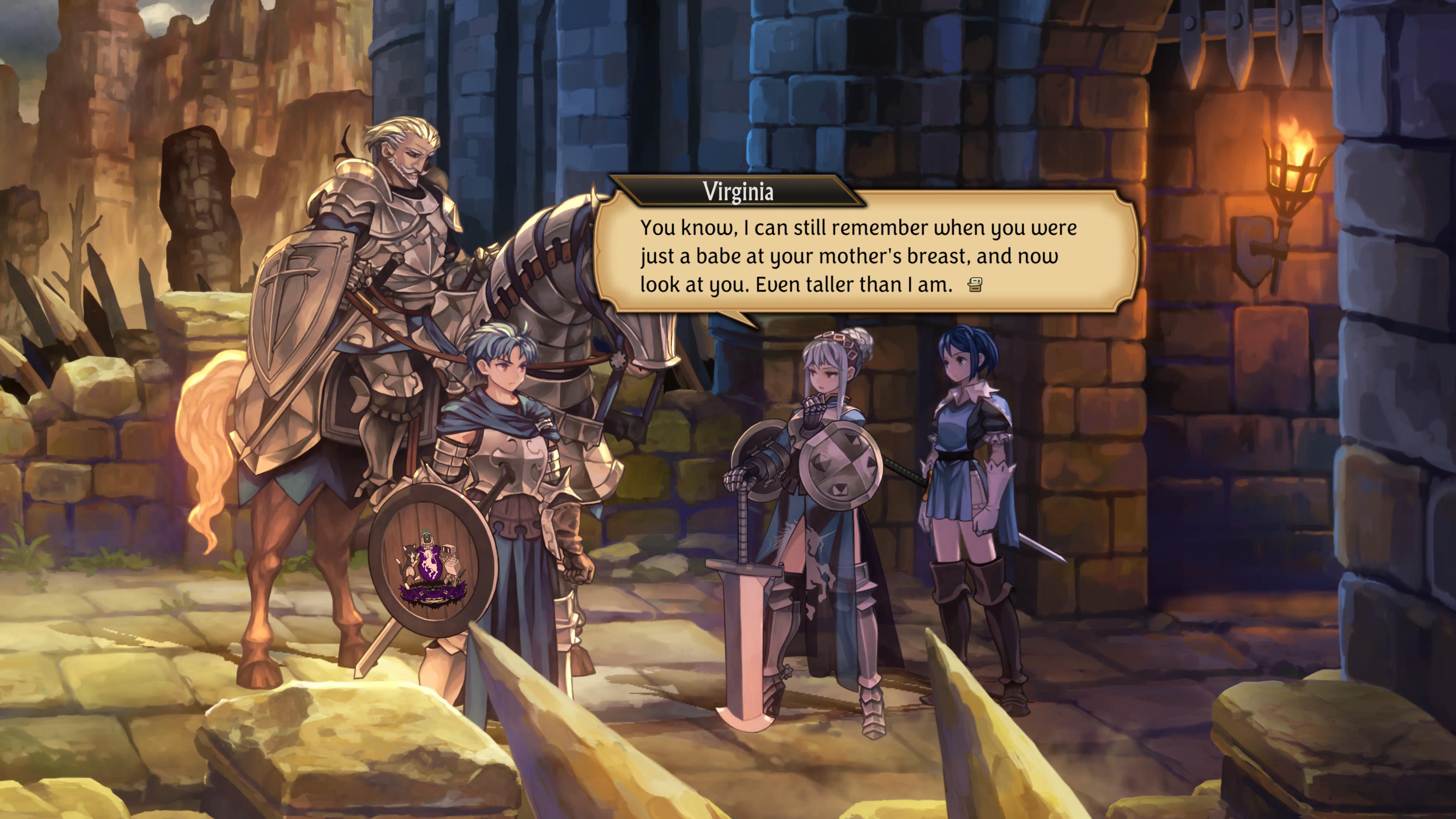
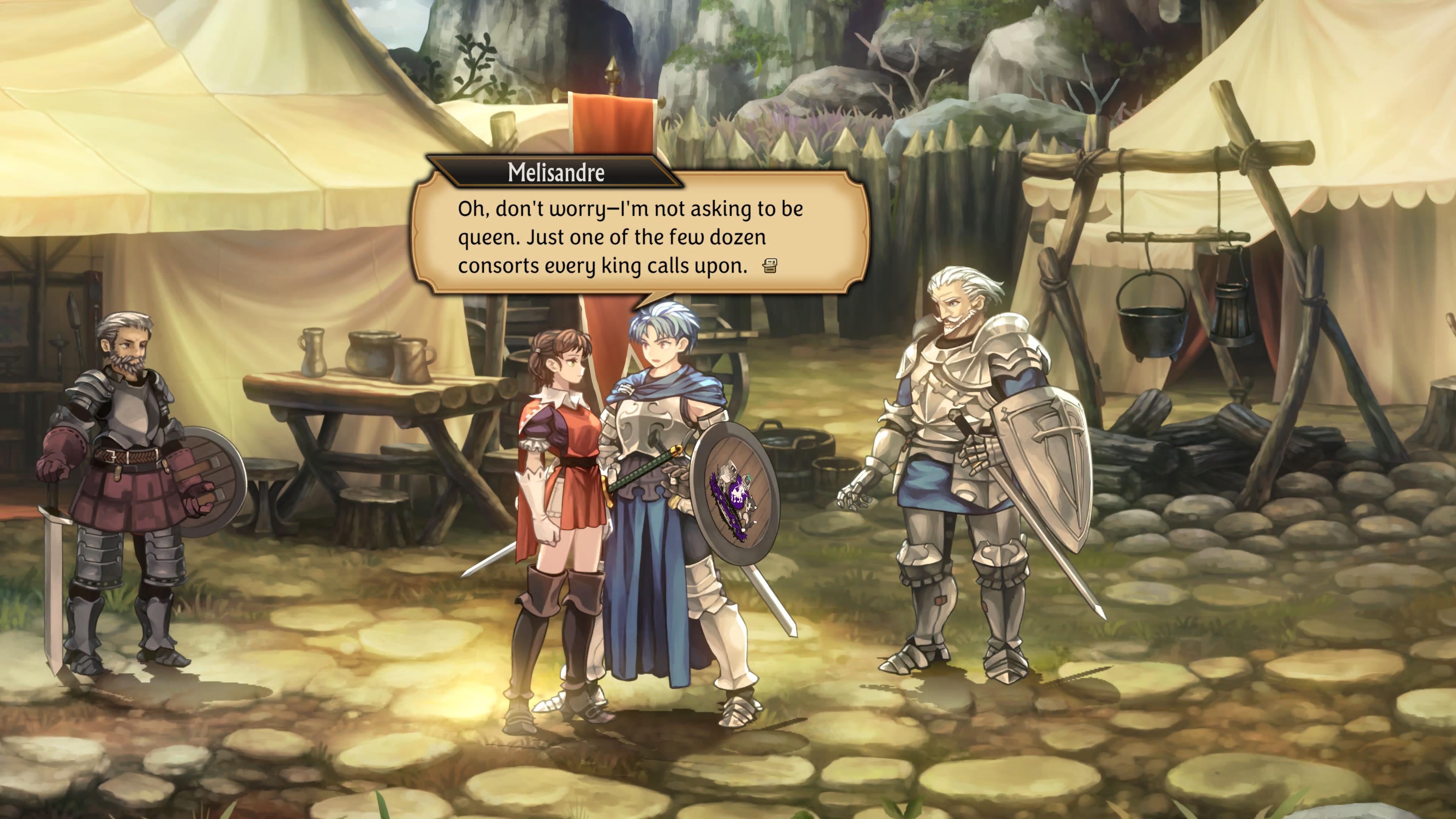
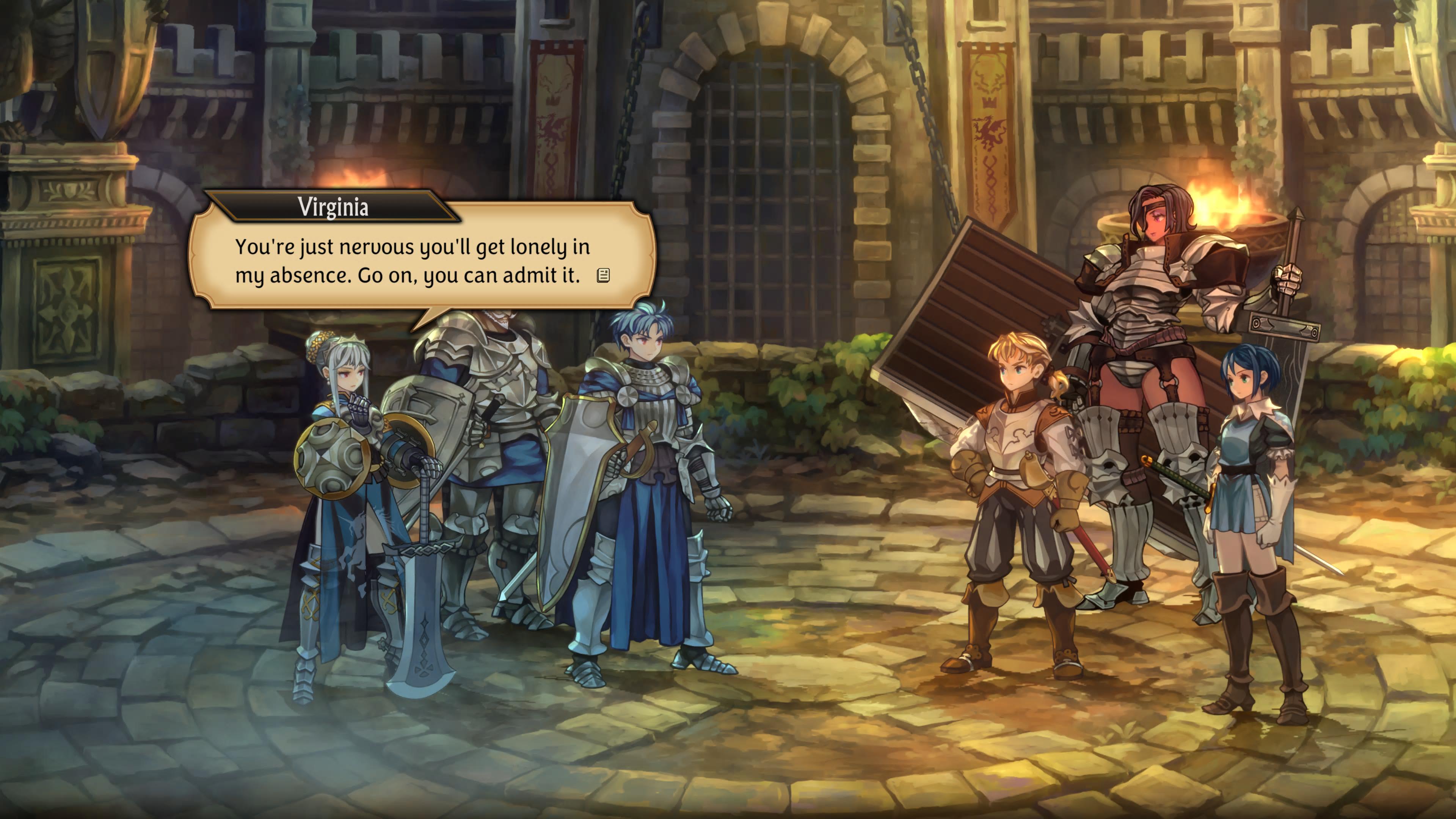
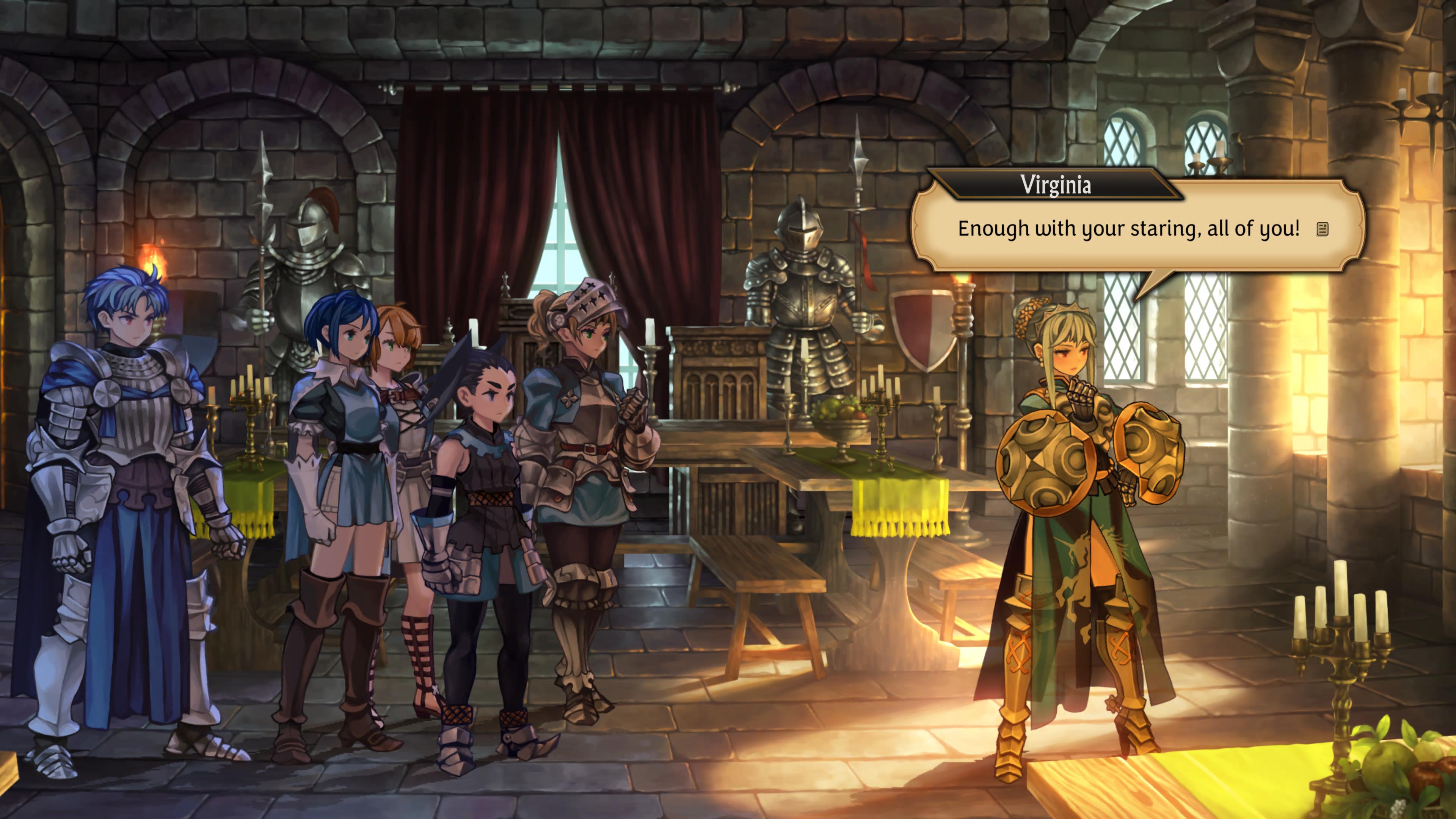
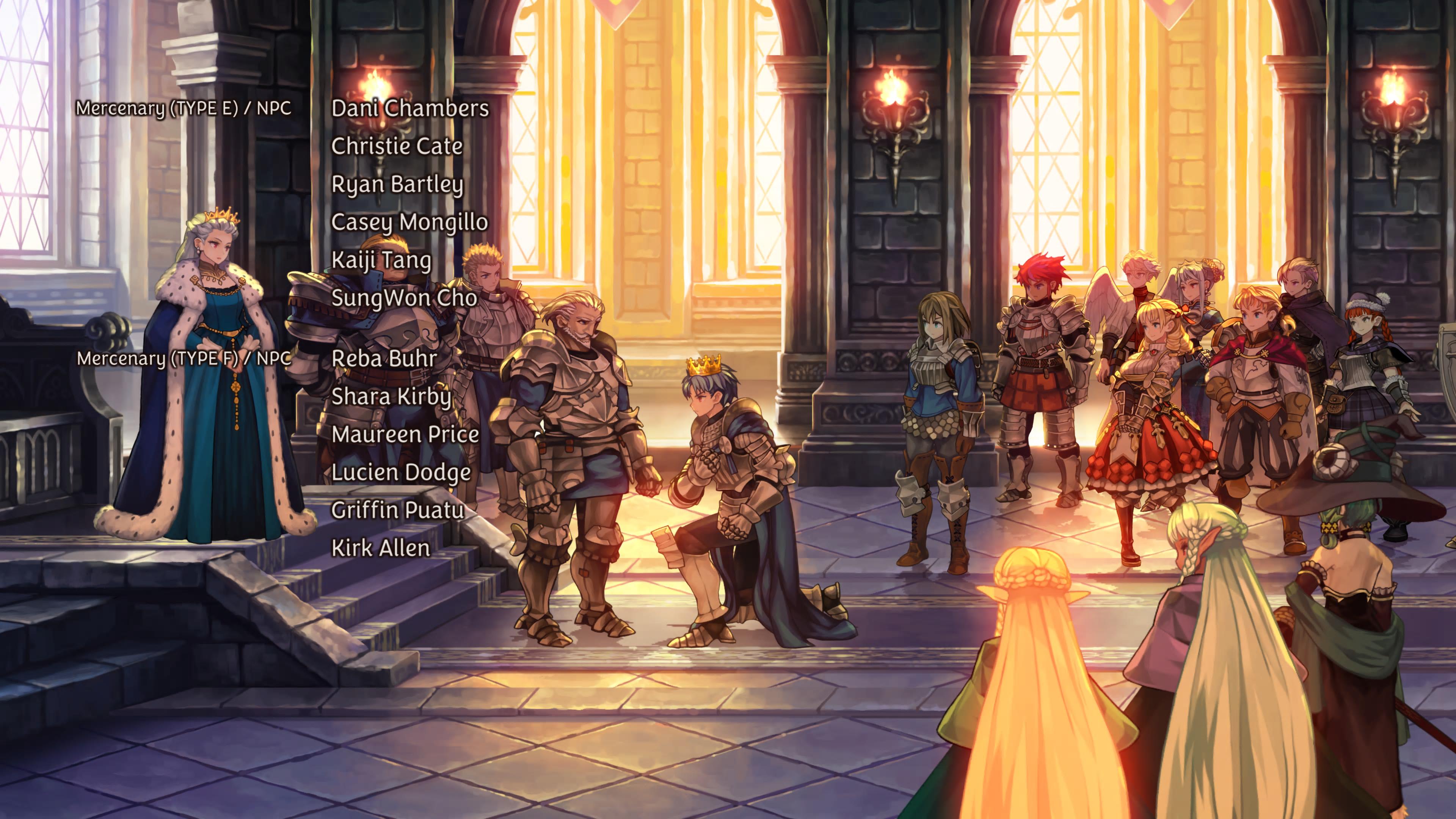
Relationships between certain characters happens through Rapport events; points can be built up during gameplay through combat or other activities. These mirror the support events in Fire Emblem, functioning quite similarly though viewing the conversations is not necessary to get a level-up boost. I'm also not quite sure how the boosted stats are calculated. Due to the severe time & budget limitations towards the end of the project, the number of rapports that some units have is pretty heavily constrained with many pairs only having a single conversation, while most others have 2 at most - pairs with 3 events are quite rare, and most of them are with significant story units or other earlygame characters. Over the course of the game, Alain has a chance to choose one character with whom he has the maximum rapport level to gift the Ring of the Maiden. It's technically similar to an S-support in Fire Emblem games and grants a paired/special ending for the character chosen, but in practice the number of characters that actually become his Queen are a bit more limited, and the ring denotes the closest bond of trust rather than a direct marriage proposal. In my case, I had Alain marry Chloe (who truly is the best girl). Unfortunately, most other characters do not pair up in their endings, with the sole exception of Gilbert/Virginia (if you do not select Virginia for the ring - as she becomes Queen in that case). I wish these scenes could have been a bit more fleshed out, but it's not hard to see that this would have been an extremely high-effort, low-benefit task that would naturally be axed when under pressure to release the game.
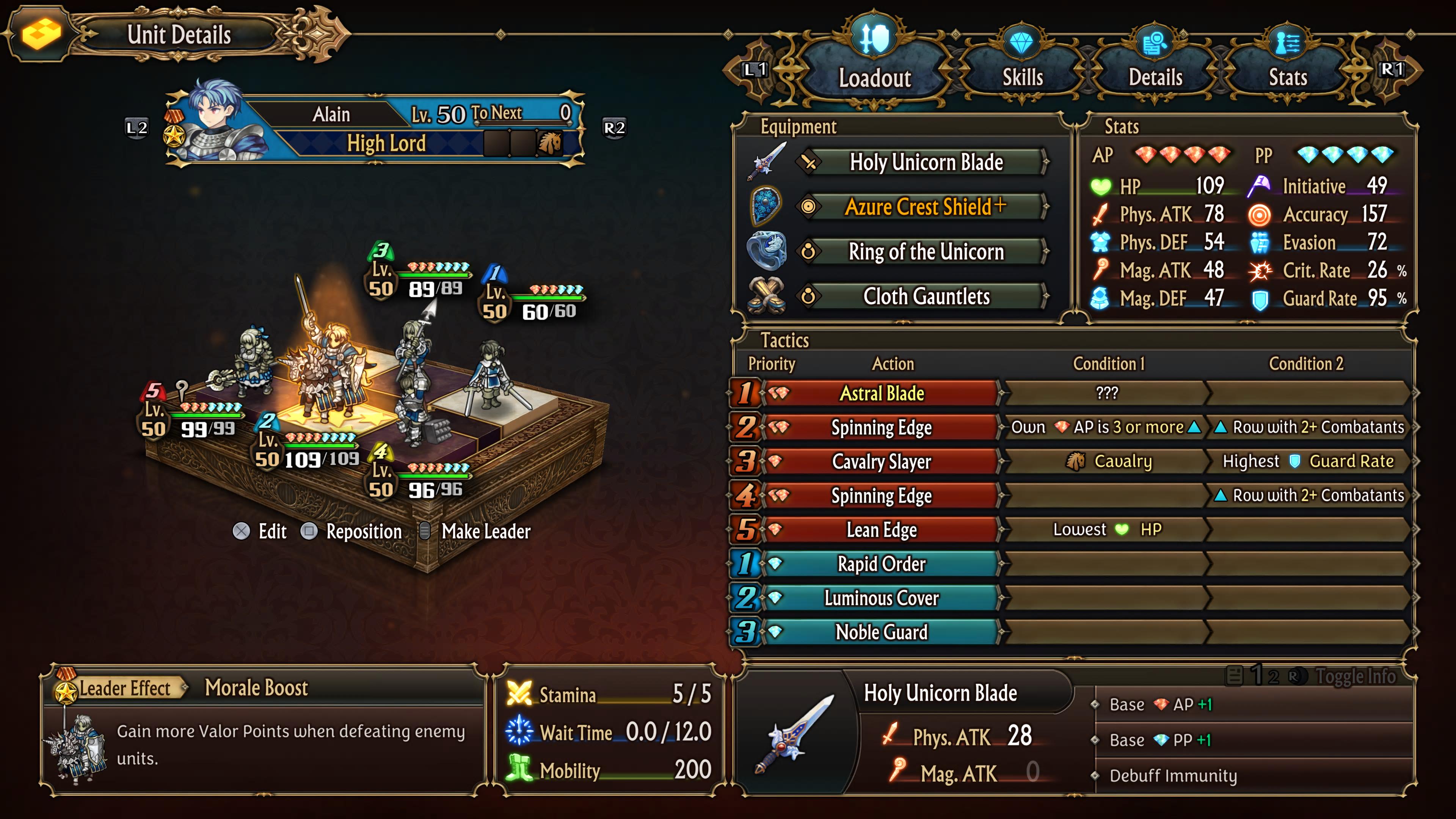
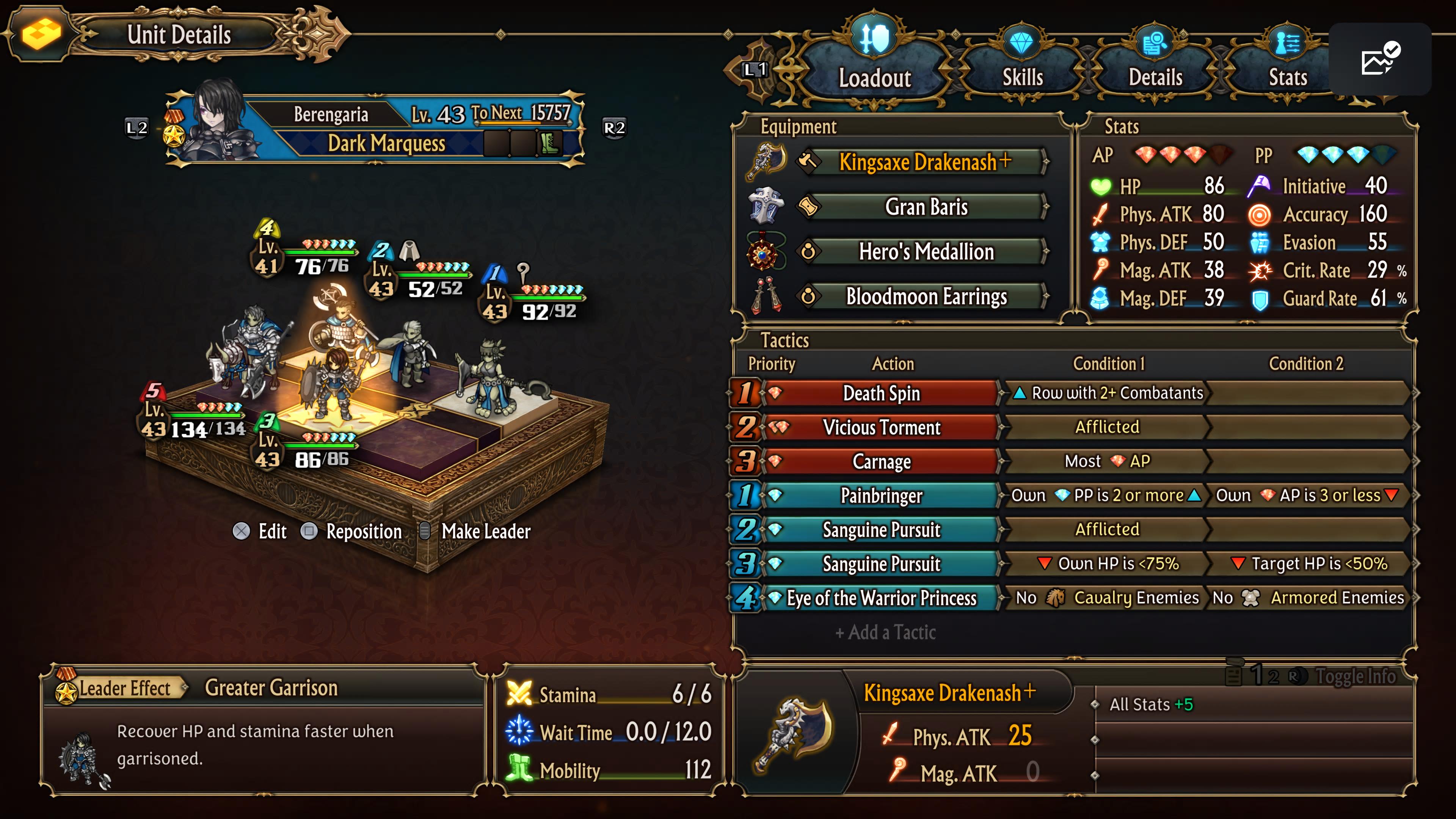
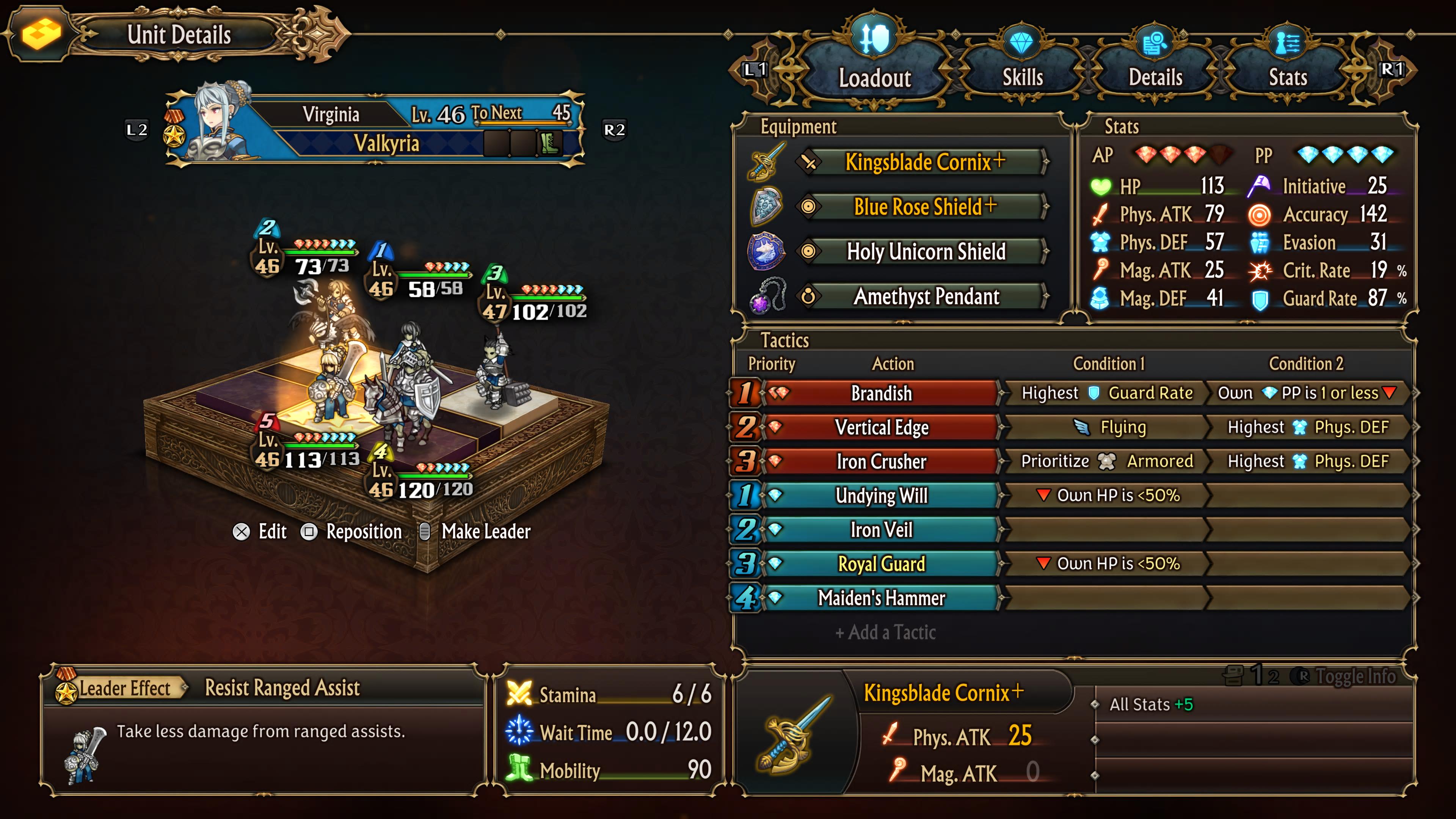
The gameplay itself is the meat and potatoes of the experience - while the story is nice set dressing, the vast majority of the time spent playing or thinking about the game ultimately is going to be related to your army or unit combat tactics. Where UO differs significantly from other similar games in the TRPG umbrella is that your army is broken up into a number of "Units", each comprising a formation of multiple characters rather than deploying each character individually. These units can contain up to 5 individual characters of different classes, giving the player the opportunity to create a near-infinite number of permutations to fine-tune combat effectiveness. Additionally, each individual character within a unit can be customized with different gear and tactics; on the battlefield, units fight each other in an autobattle format running the tactics the player defined. It's definitely extremely daunting at first, but it gets more comfortable later on as your choices and understanding of the tactics expand. Personally, I'd estimate that around 30+ hours of my playtime was spent sitting in the unit customization screen, not even in the actual combat.
To take a step back, each individual character you recruit (like Alain, or Chloe, or anyone else) has a base class - as well as a promoted class they can access later in the story that improves their stats and expands their skills. Classes strictly define each character's stats, weapon type and general growths, and ultimately the utility that each character is able to offer as a part of a unit. For example, Warriors/Breakers always wield hammers/axes and use powerful, unguardable attacks that may ignore enemy defense values. Meanwhile, Thieves/Rogues operate by stealing enemy resources and dodging attacks, while Clerics/Bishops are almost entirely focused on various forms of healing, buffing and debuff removal magic. Per-character tactics define the way that an individual character will act within the context of its unit during combat; you might want to set your Warriors to target heavily-armored enemies to take advantage of the defense-ignoring properties, while your Clerics probably want to target low-HP characters on the front lines, where they're more likely to get hit. In some cases, you may want to have a character attack a weak enemy to prepare for a chain of attacks, while other situations may call for a stun on a full row of enemies to avoid taking a hit, regardless of their health levels. Tons of intricate and fun interactions are available, and all of them start from understanding the way each character needs to be configured.
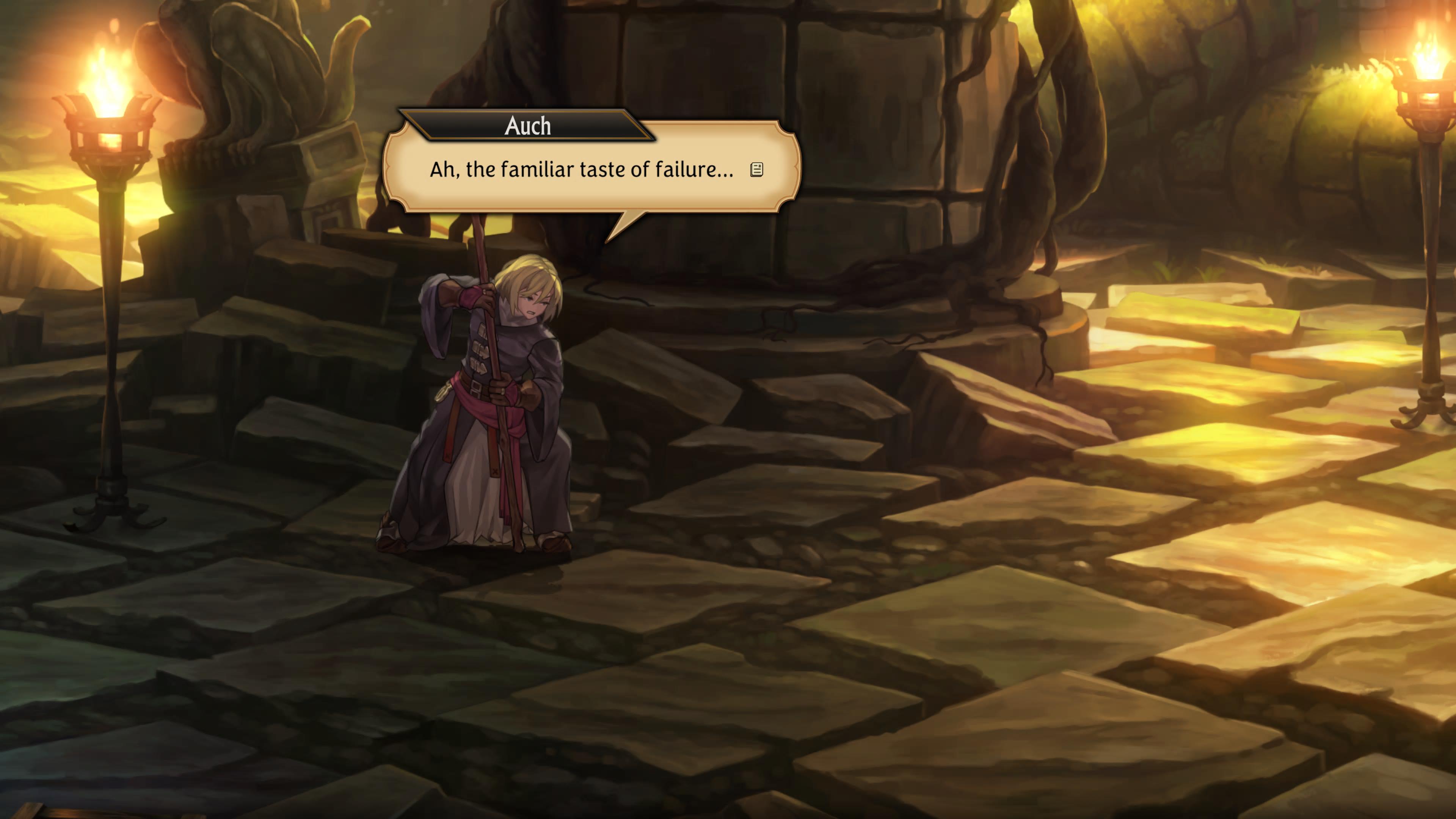
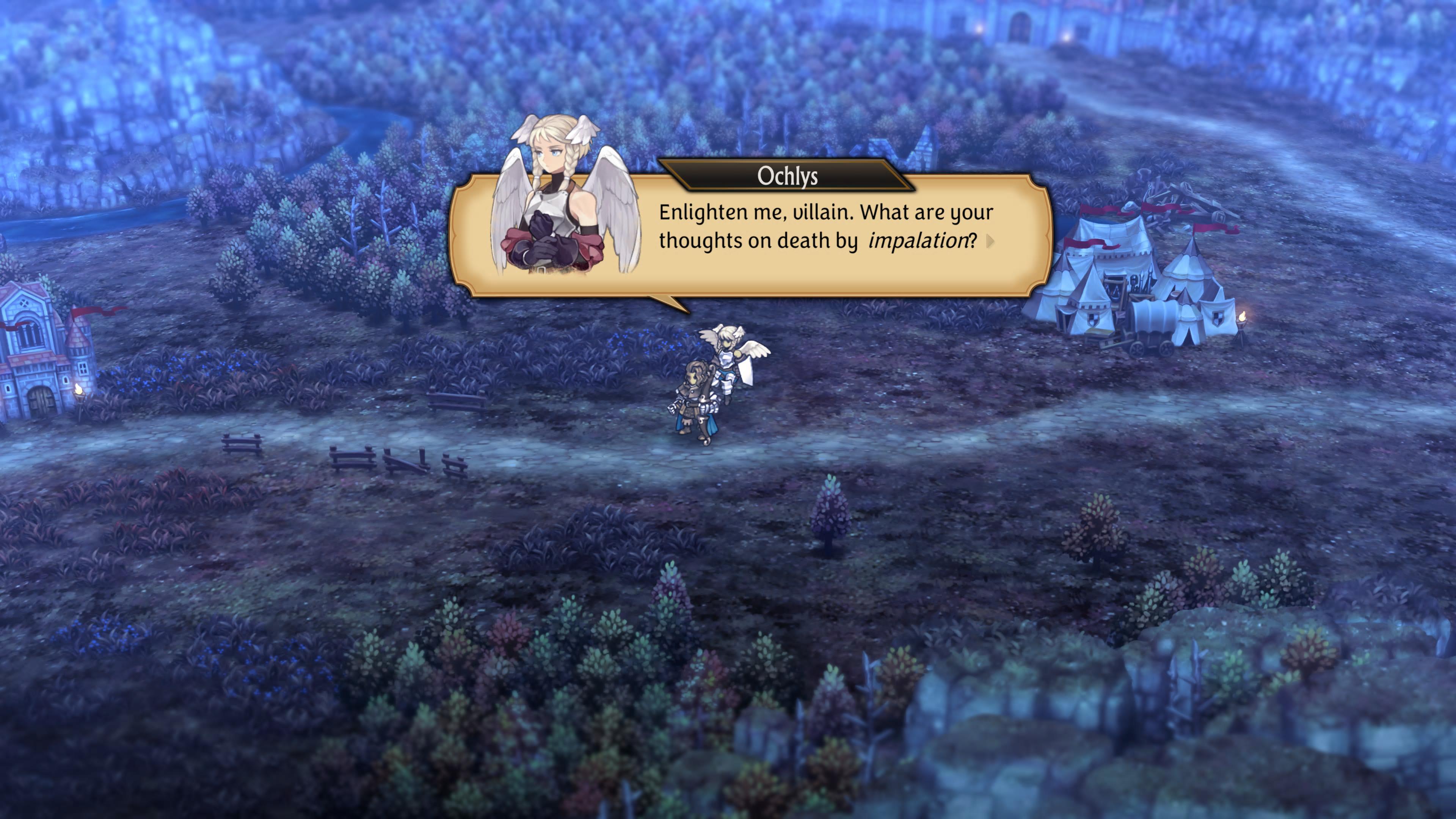
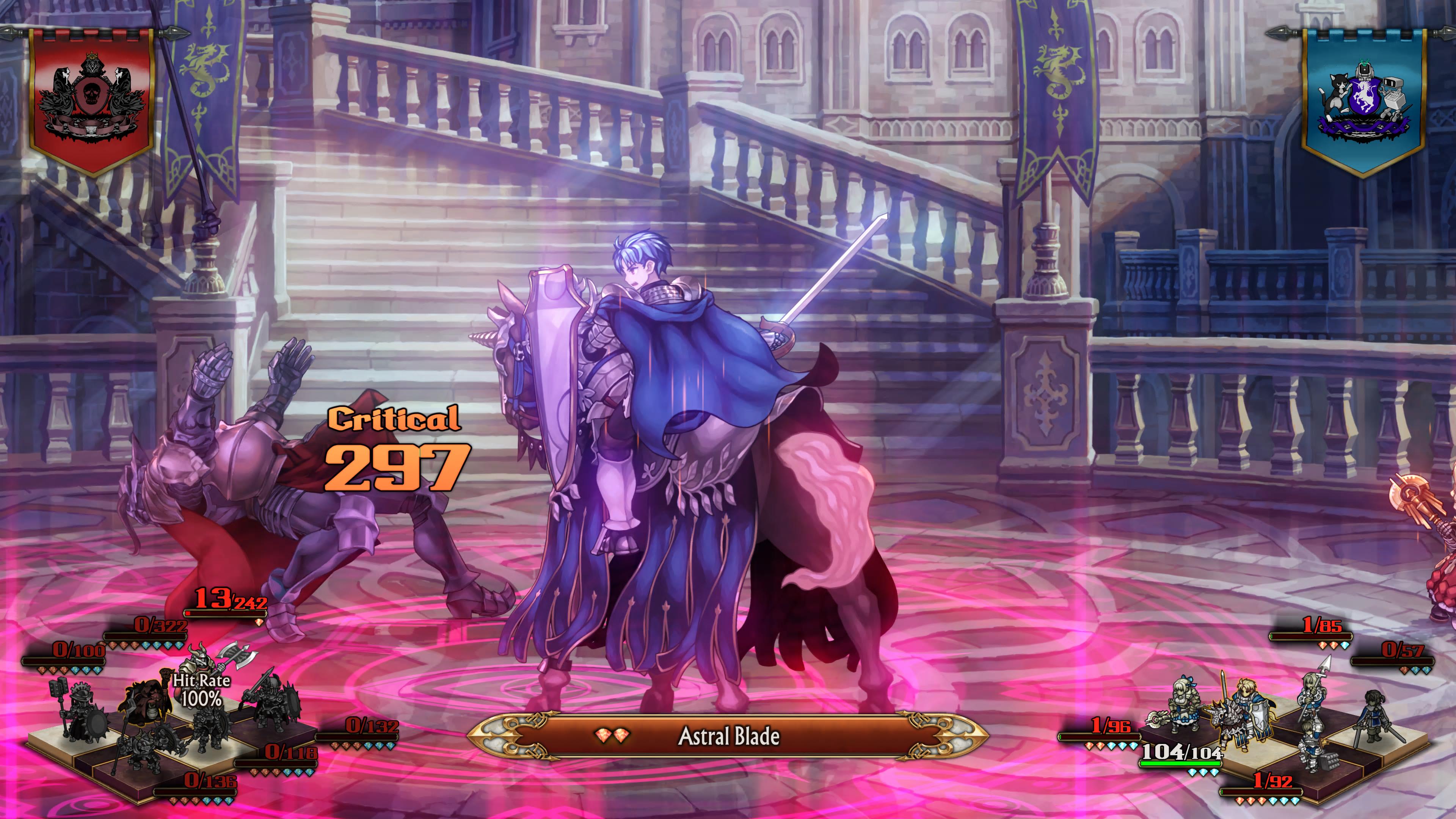
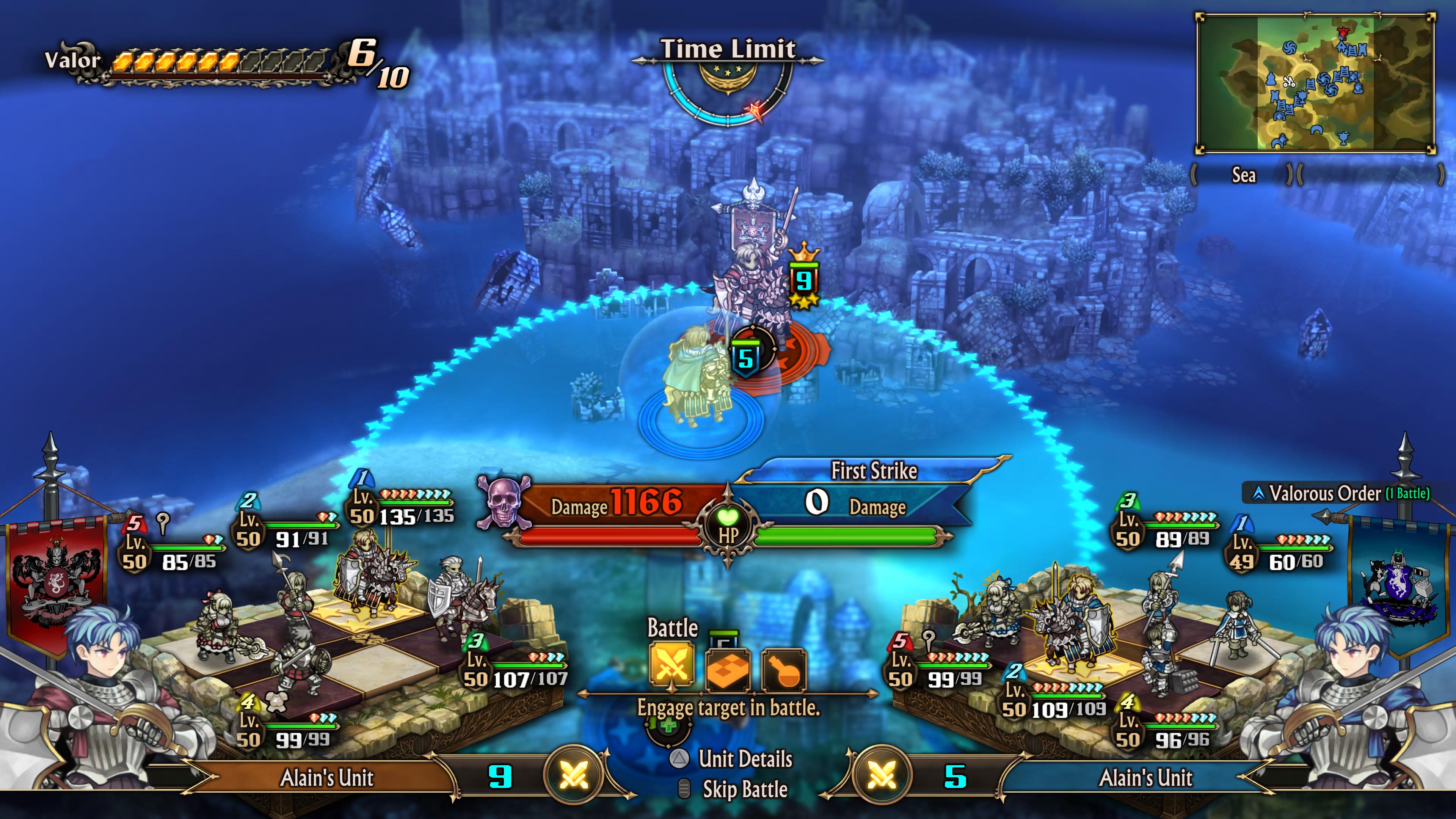
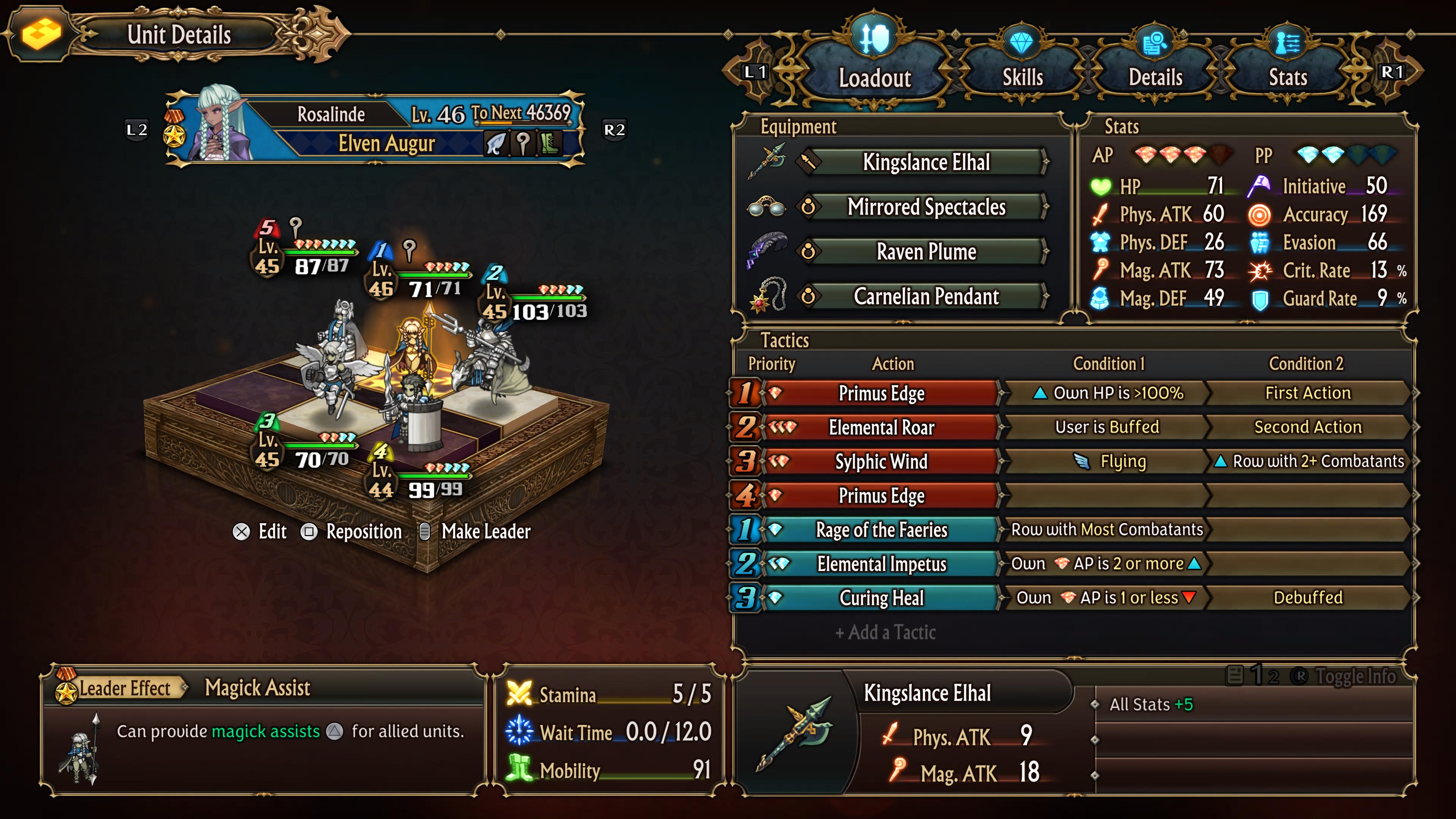
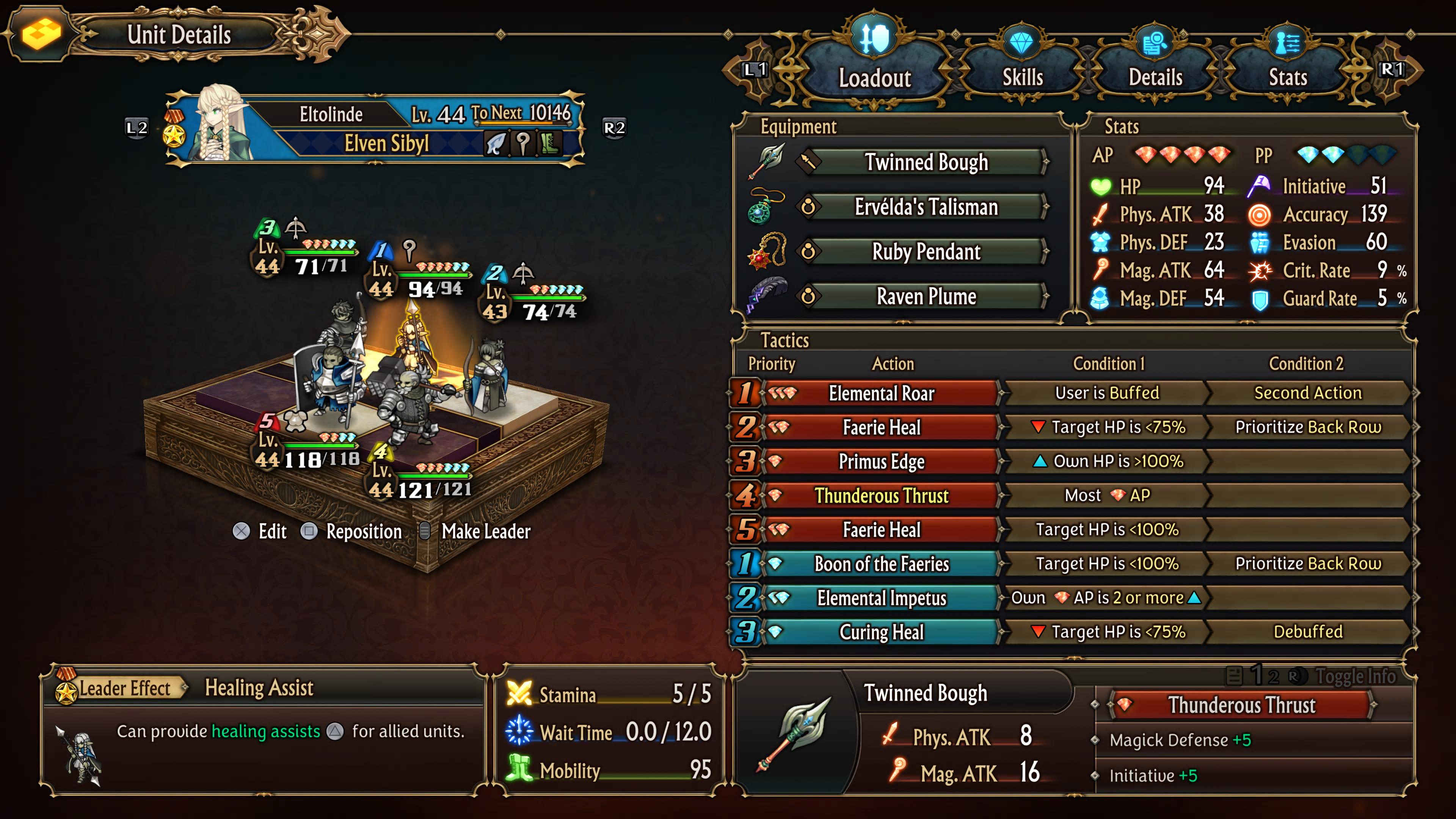
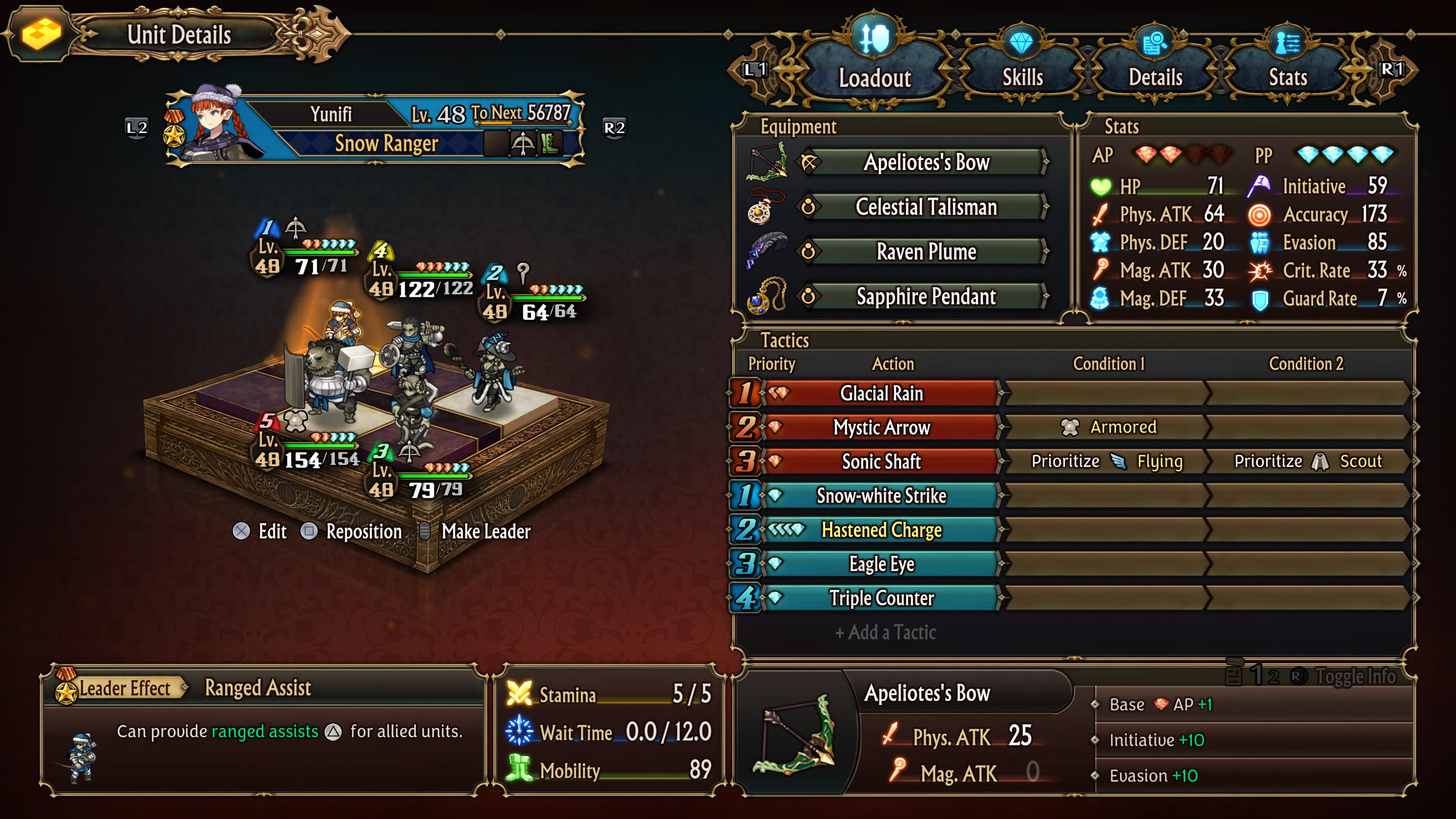
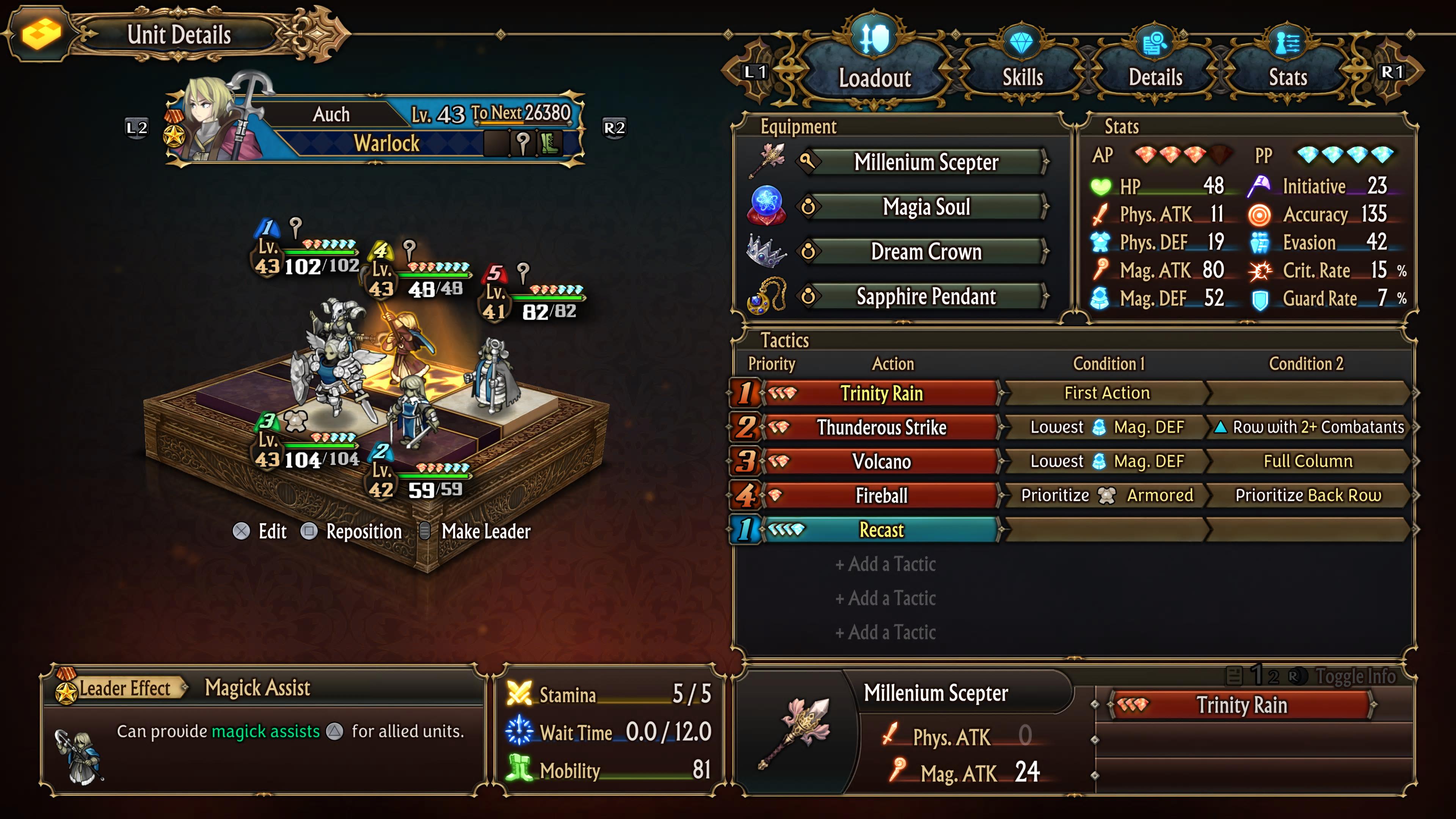
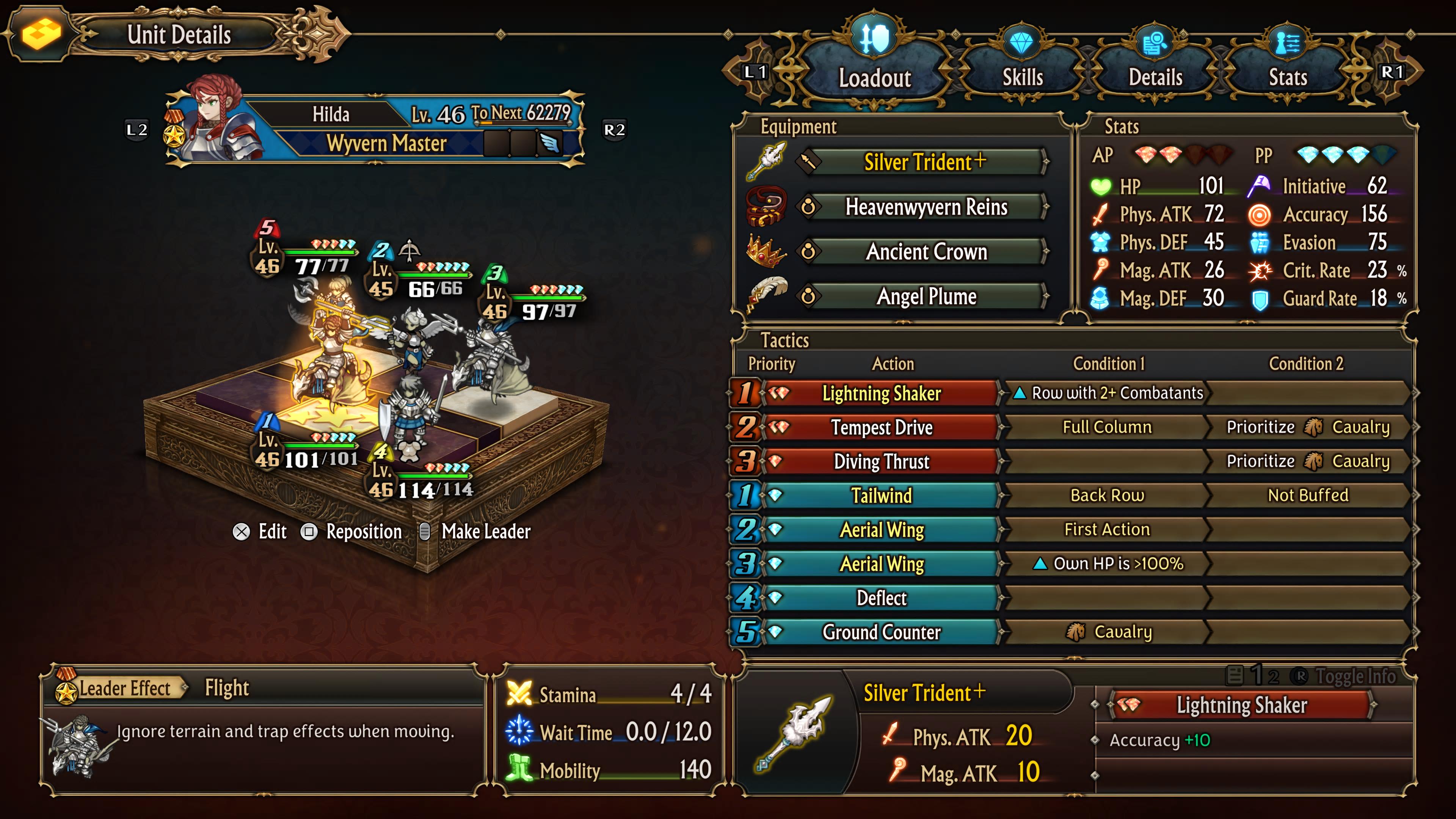
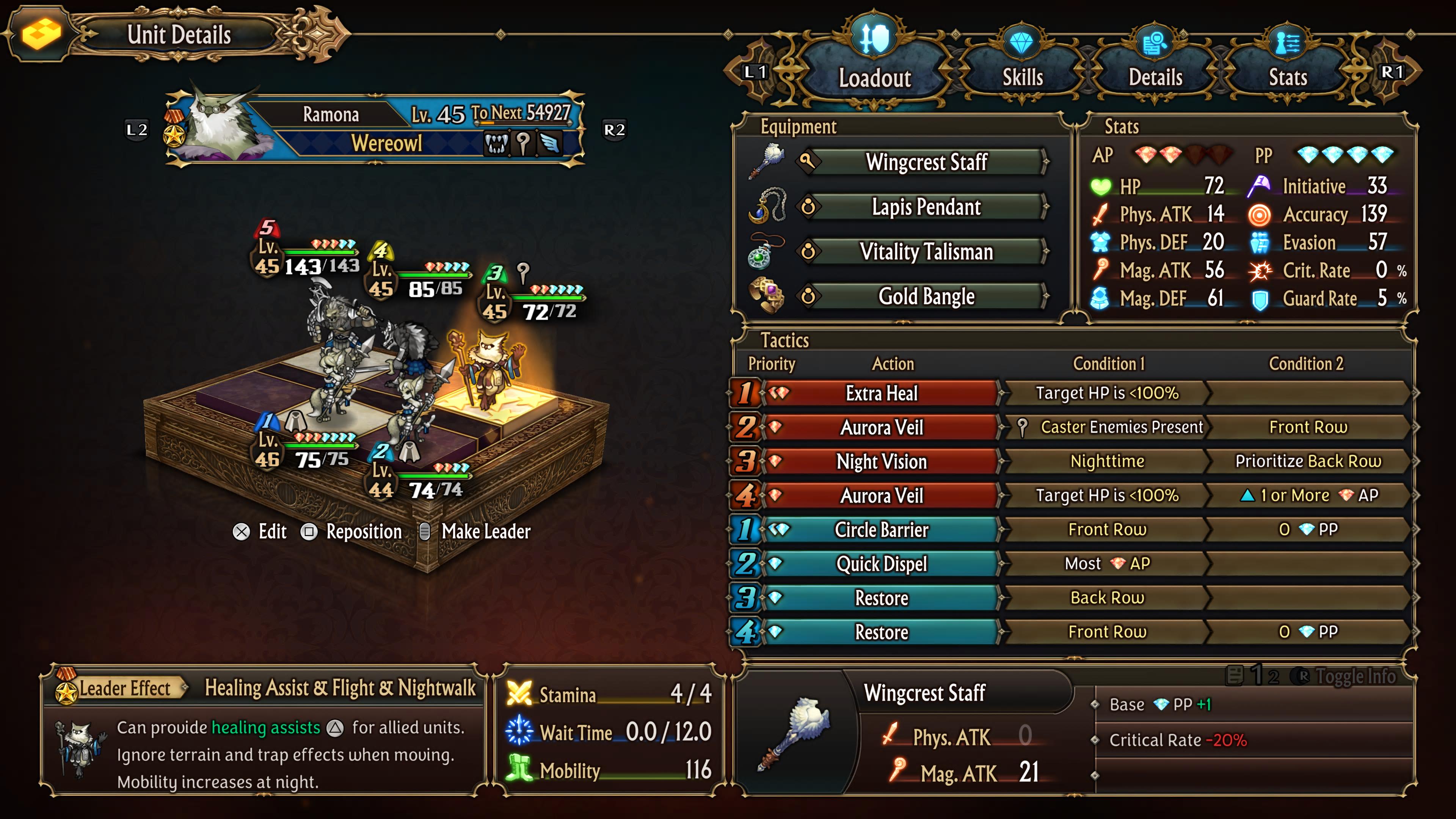
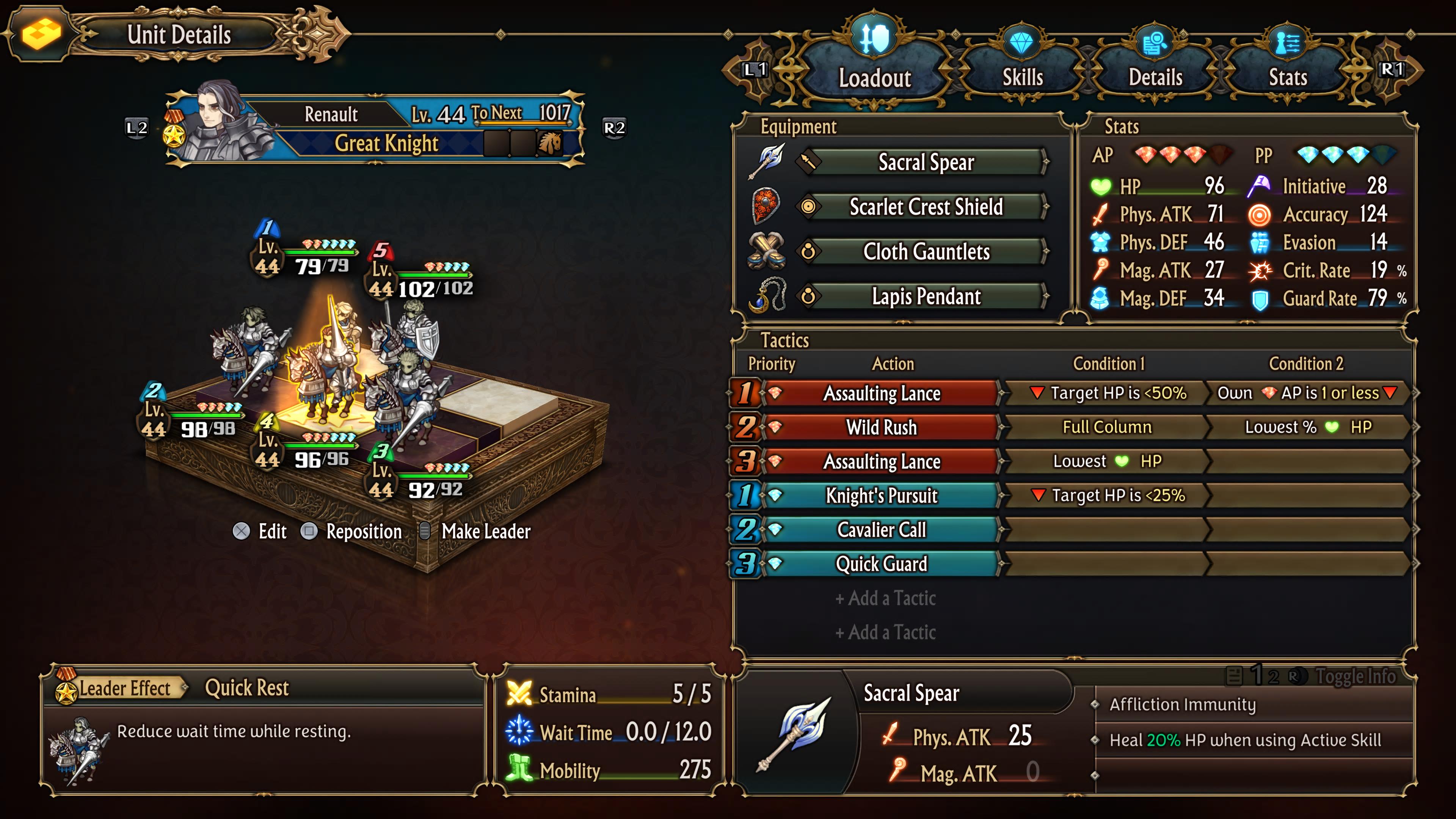
Within a context of a squad (or unit), the individual builds of the constituent characters come together to form a cohesive strategy, allowing your units to survive onslaughts and crush enemies. While a Cleric can't do any damage on their own, they may provide crucial healing to keep your other units alive, in turn allowing a chance for them to strike back. Positions of your characters are important, with tanks suited more for the frontlines where they can block damage that would otherwise be directed at your squishier DPS dudes. Having complementary unit types and tactics is critical to success; balancing a unit's capability to survive and heal while dishing out incredible damage maximizes your odds at destroying enemy formations, but a unit that is far too generalized (ex. one healer, physical attacker, buffer, magical attacker, debuffer each) may end up being poor on all counts. Your army can be expanded to accomodate a total of 10 concurrent squads, which means that you have to shuffle your units around (and recruit more mercenaries, if necessary) to build all of the squads in the way you wish to have them set, but also that you can have squads specifically for certain tasks. For example, a strong cavalry squad can rush across the map in an instant and roll over any infantry in the way, while flying squads can ignore harsh terrain and traps, allowing them to beeline directly for any target. The possibilities here are endless, with tons of extremely fun combos to try. A very common one (that I used myself, as can be seen in the screenshots) is to have an instant-cast Trinity Rain squad, which is a full-party setup to drop 6 sets of meteors on any unsuspecting enemies at the very beginning of combat. Glacial Rain, Dragoon Dive, Elemental Roar among other powers are just a few of the skills that can be used to cataclysmic effect on enemies if a unit is properly built around them, and other squads still can also easily get by just by debuffing enemies into oblivion and exploiting them for massive damage.
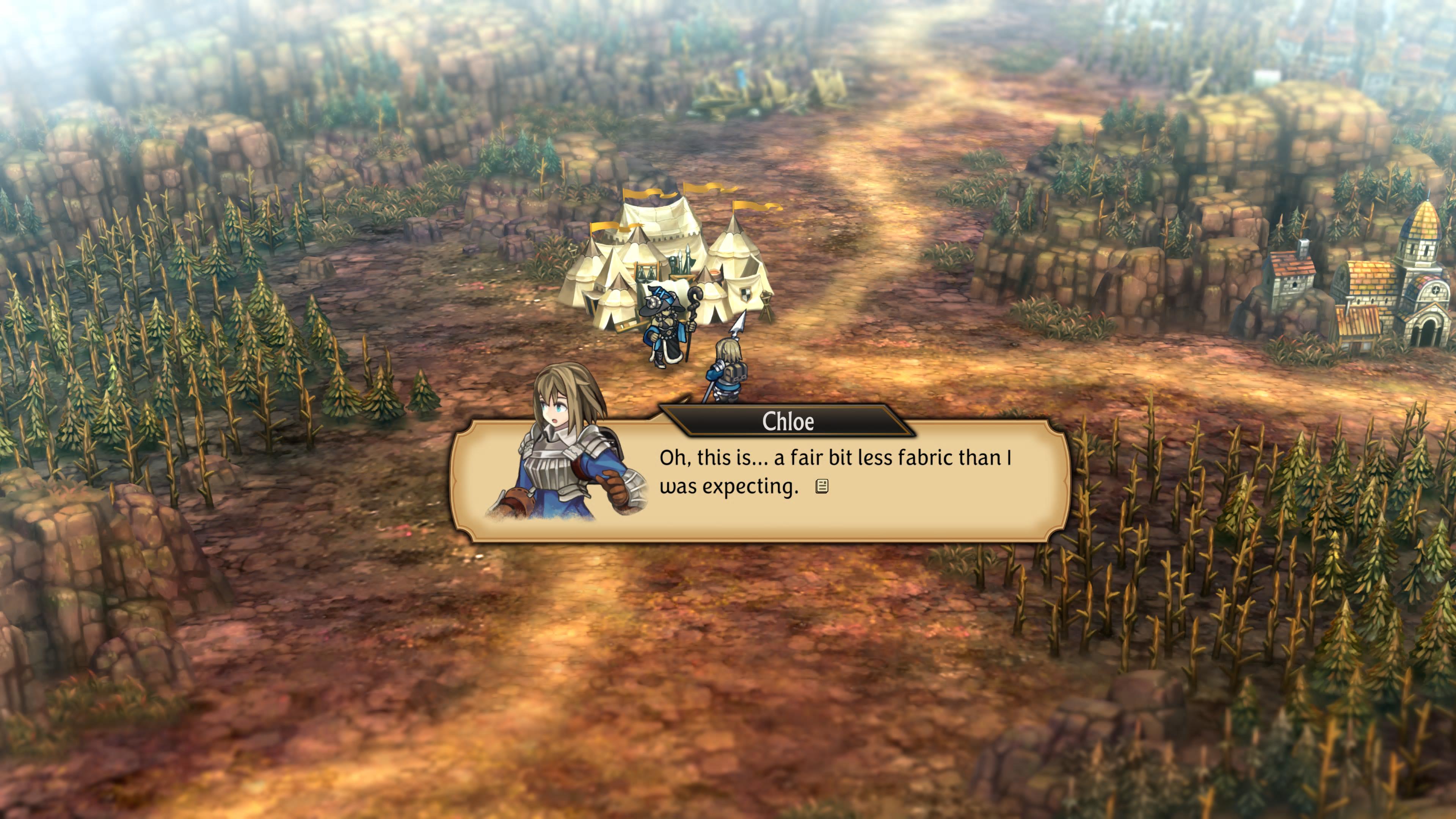
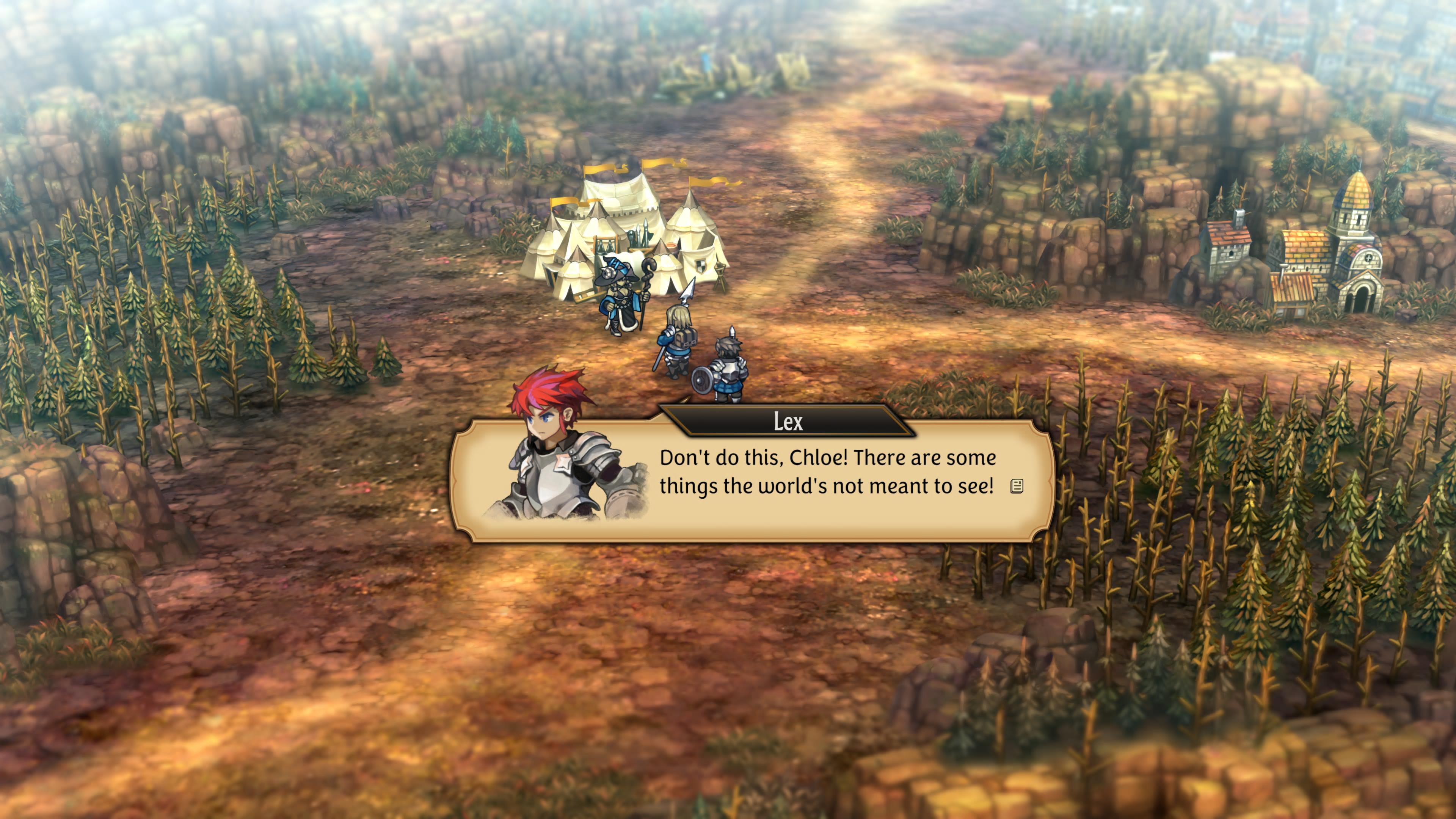
Actual battles or quests in this game are not simply a series of combat encounters - that would more closely reflect the Coliseum, an arena mode/minigame where you can simply pit squads directly against one another (Prebuilt, CPU or Online). Instead, each actual quest in the main story takes place along some part of the overworld map. Deploying your preconfigured units, they can move around to protect your base camp or to assault various enemy positions; this is kind of like a pausable RTS, and also fairly similar to the gameplay portion of 13 Sentinels (or GrimGrimoire from what I understand). For better or worse, targeting an enemy on the battle map also gives you an estimate of the damage done & taken in the battle to gauge relative effectiveness; this forecast is actually 100% accurate, which I'm not entirely sure if I like but understand its necessity. Slight shifts in luck or RNG can cause massive & potentially devastating differences in the outcome of a battle; variance is significantly higher than most other TRPGs (like FE, etc.) and thus the game might feel very unfair if you were not warned that a wild 1% miss followed by a 5% crit would instakill your entire party. With up to 10s of attacks flung back and forth in a single combat encounter, it's nearly impossible to have the certain threshold calculations that can be afforded in Fire Emblem.
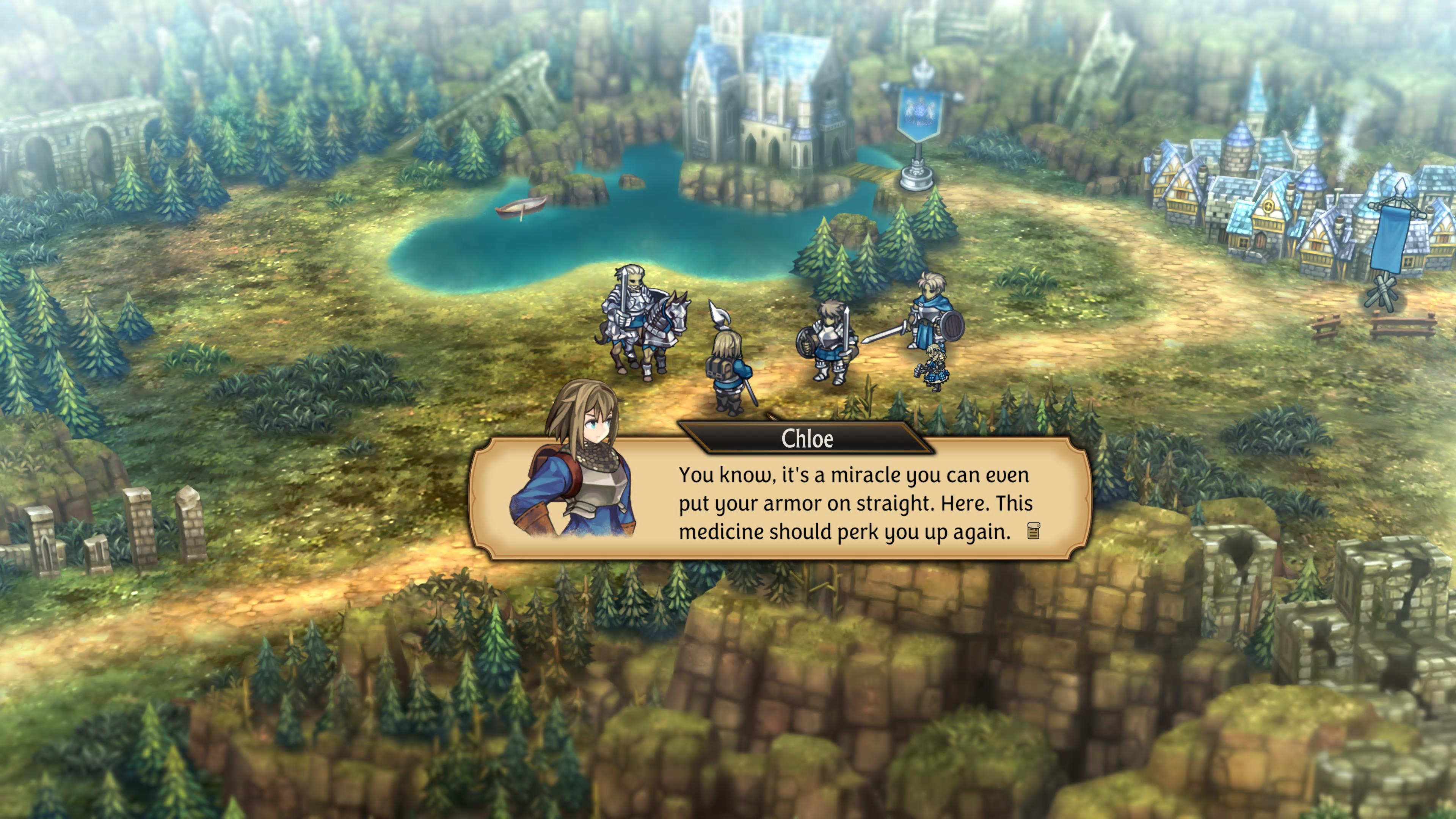
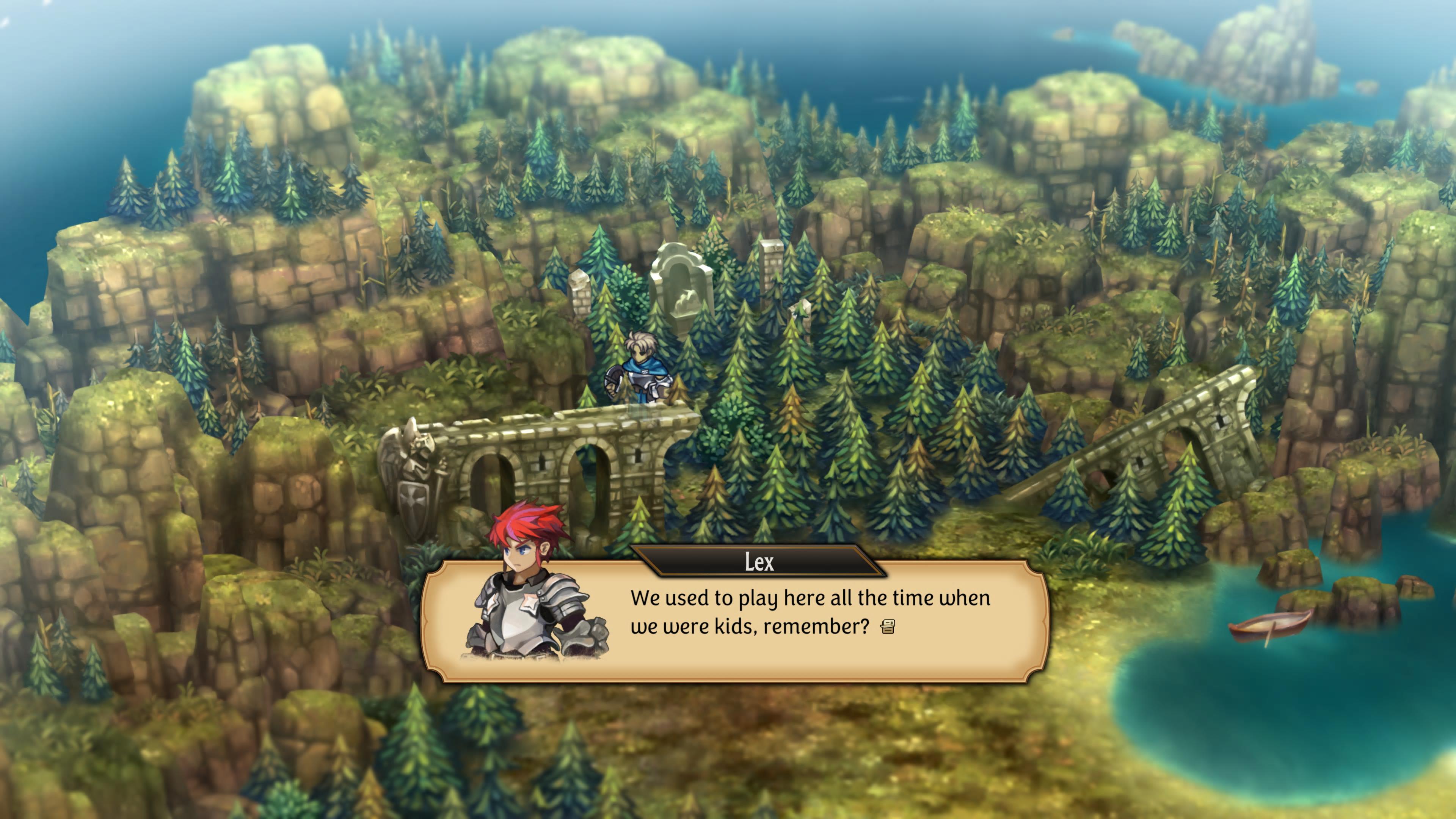
Outside of battle, most of the game takes place in the overworld itself - as I kind of alluded to above. The maps you fight over during a battle become liberated towns and cities, or free forts from which you can recruit mercenaries to your cause. There's a few overworld quests and events, but a great majority of the most substantial ones ultimately involve battles at various scales. Otherwise, you can talk to lots of citizens dotted all over the place, visit towns to buy new gear, and generally build up your army and equipment stores in preparation for the next fight. It's really neat to see how each level is part of the actual world, but I did notice that as the game went on, the larger battles also corresponded to a shrinking number of actual fights region by region. While Cornia is dotted with 10s of quests and fights, Albion has only a few, with the final fight for the Church comprising an enormous space equivalent to almost a third of the country! With the size of Bastorias & Albion generally being much smaller than Elheim & Drakenhold in simple area as well, it was incredibly obvious that the development budget was very tight by the end; Bastorias & Albion together felt shorter than either Elheim or Drakenhold alone.
Overall, I consider this game to be just about the same level of masterpiece as 13 Sentinels, just in a different way. While 13 Sentinels proved that VW could create a complex yet tight narrative with many different protagonists, interlocked across space & time, Unicorn Overlord proves that their ability to emulate and improve complex gameplay systems while not sacrificing a single ounce of their artistic identity otherwise is also second-to-none. Even with parts of the game showing signs of being rushed, the game still doesn't feel at all incomplete, nor is it wanting for polish - I only have a vague sense of wonder at what the game could have been with another year or two in the oven, while still appreciating all that we actually got. I have no doubt that this game is somewhere in my top 10; I've been sure of that since before I was halfway through the game - and as always, I'm waiting to see how Vanillaware's next game can blow my expectations away again.