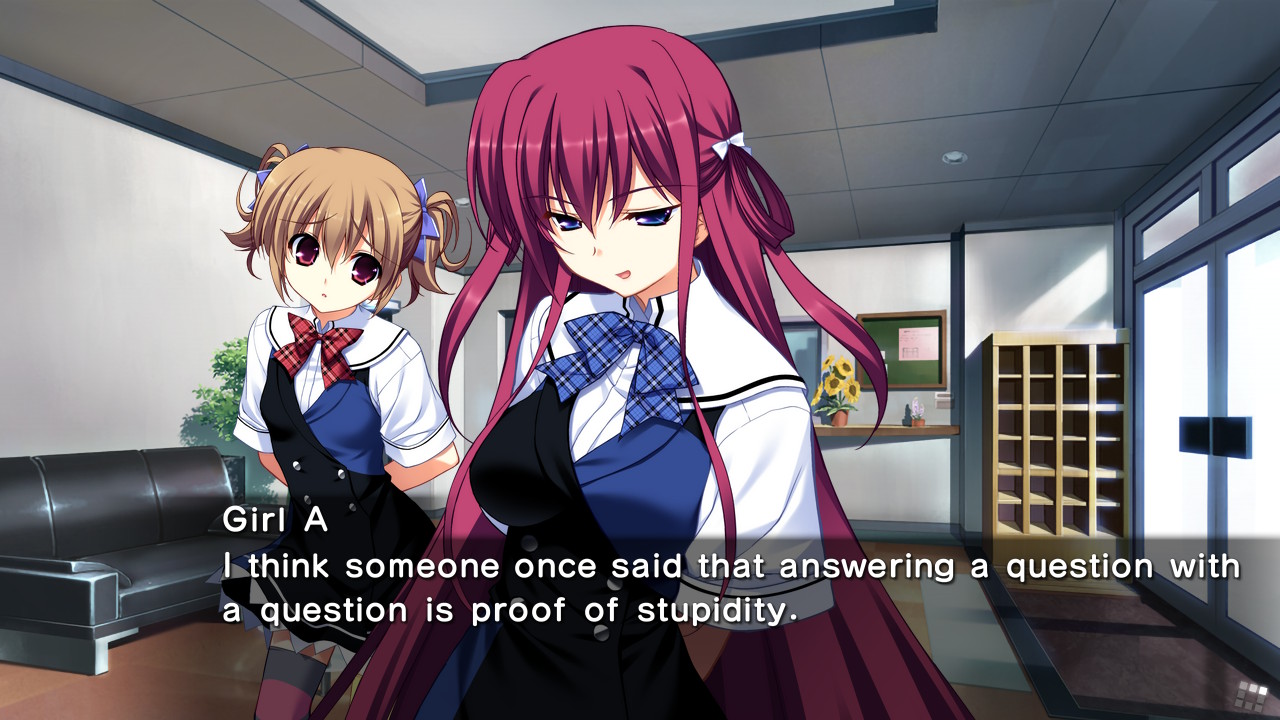
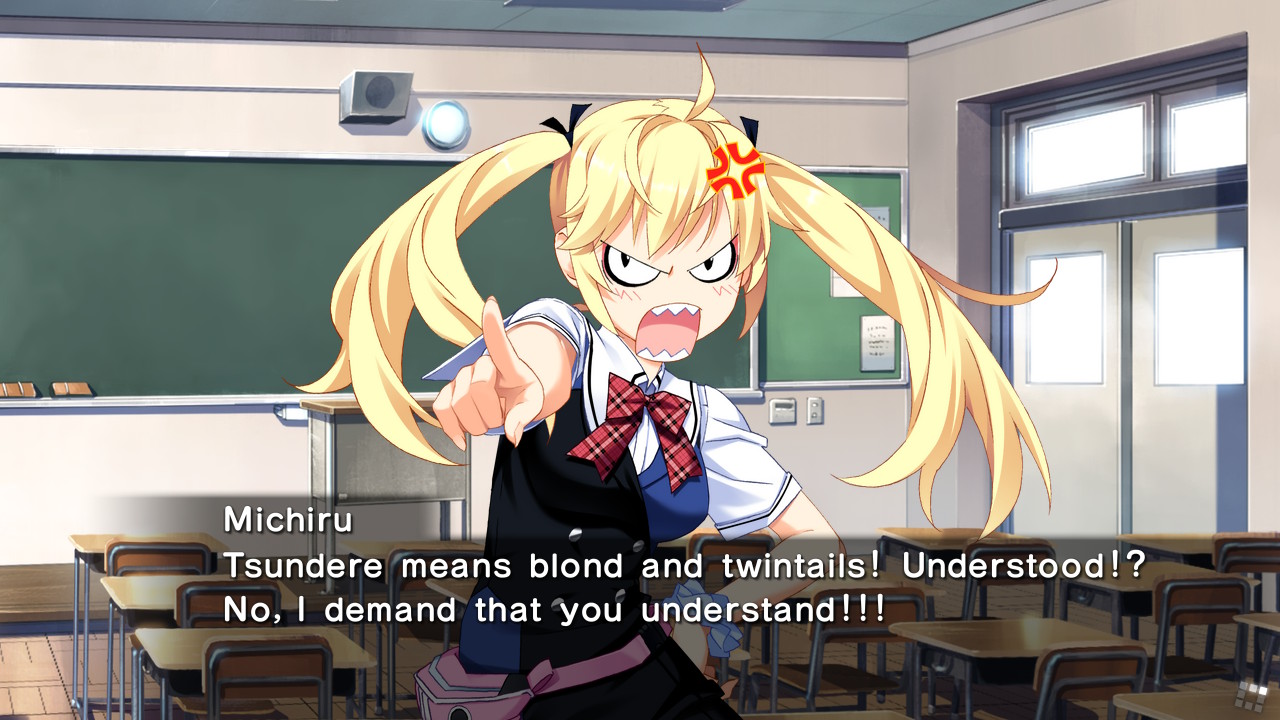
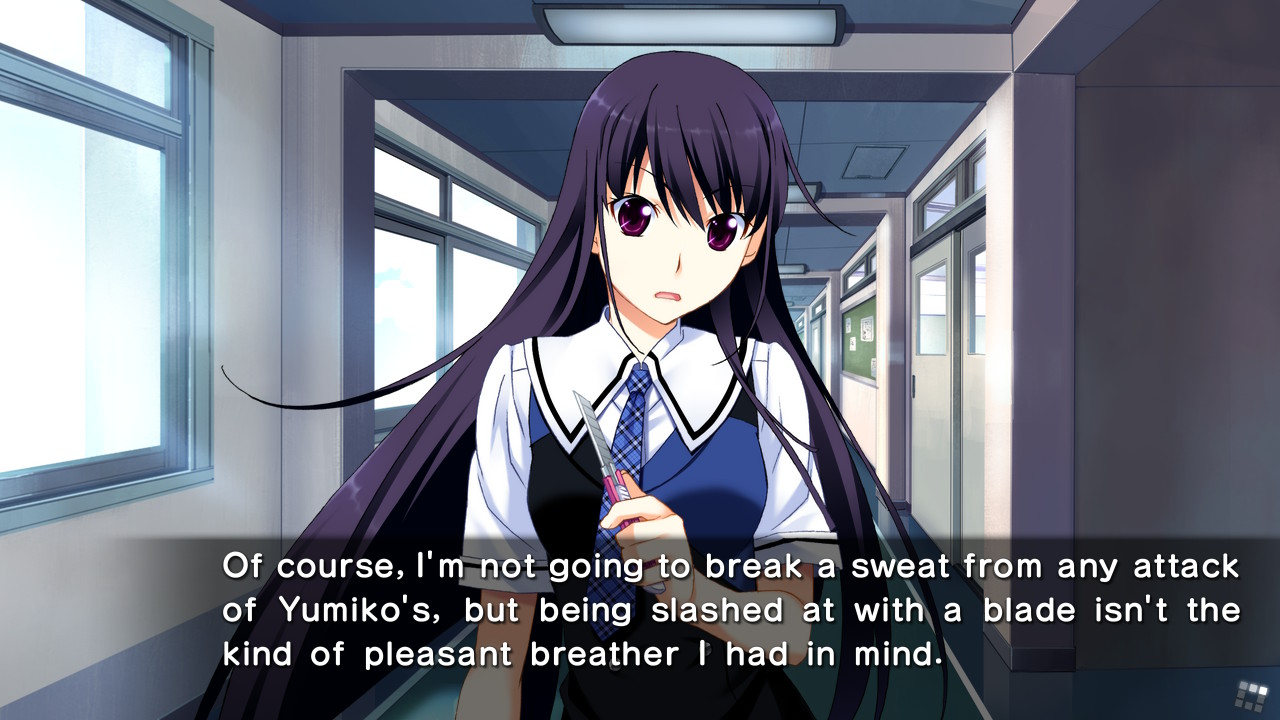
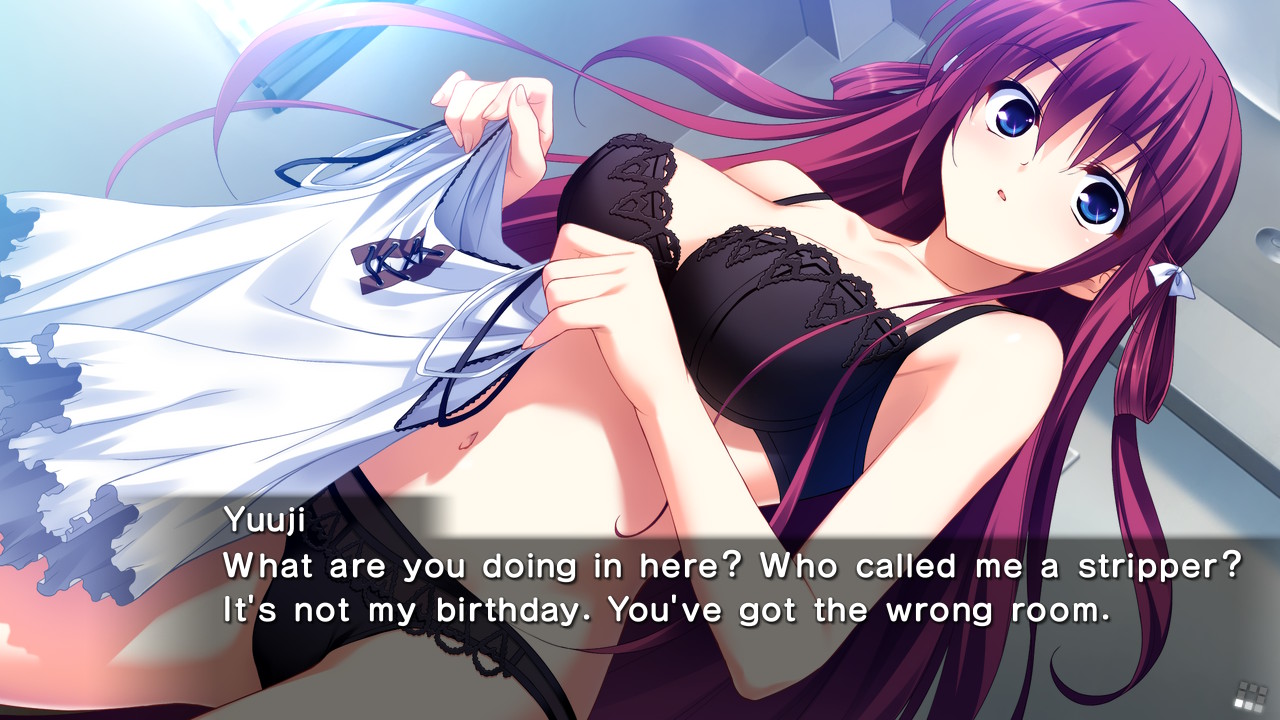
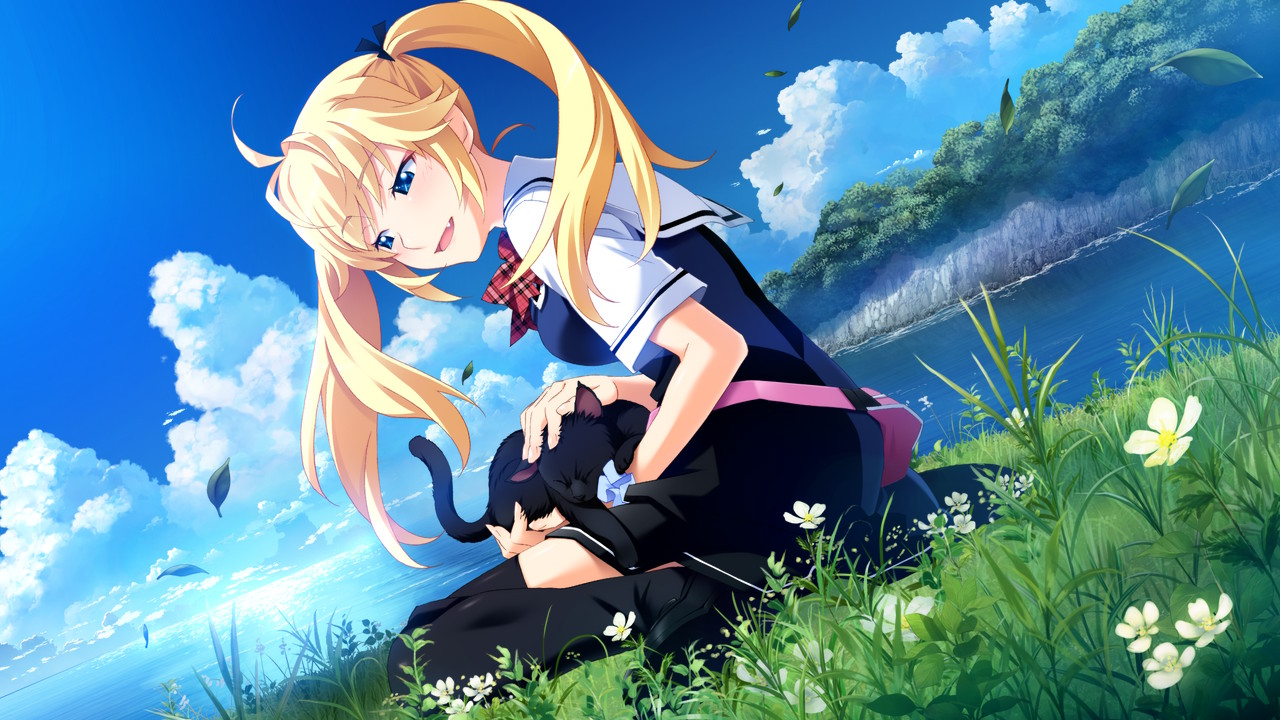
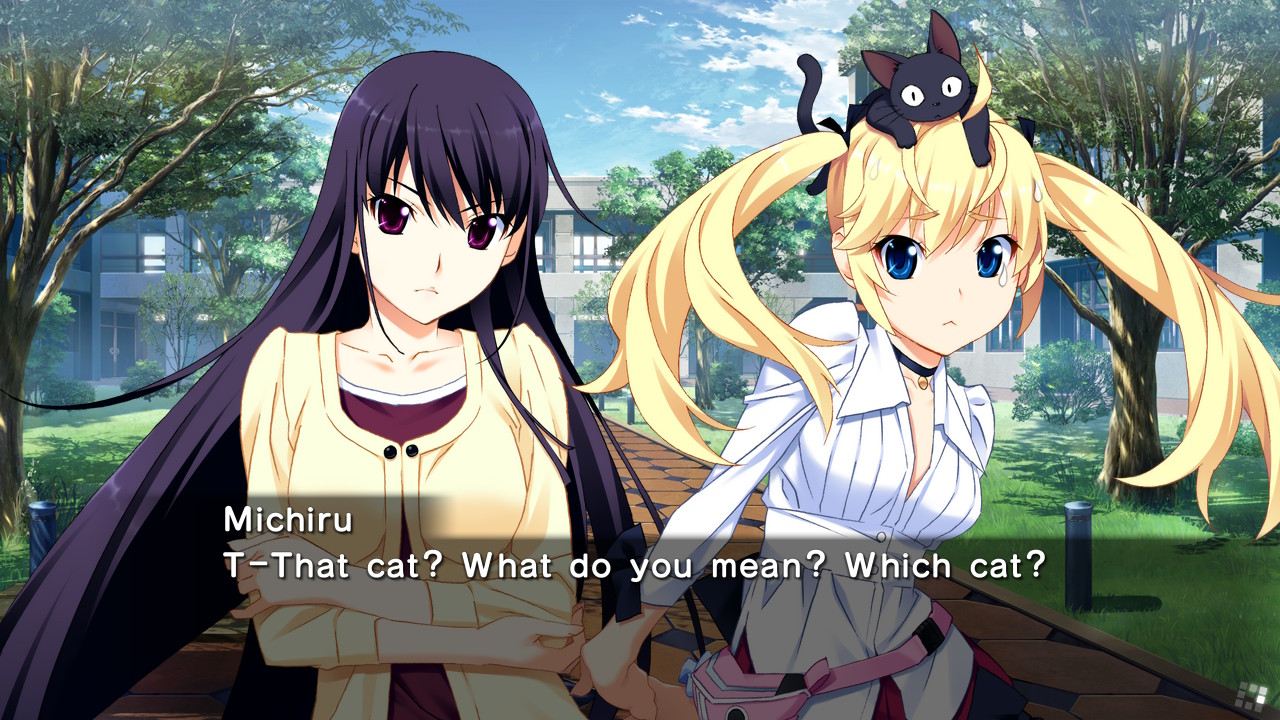
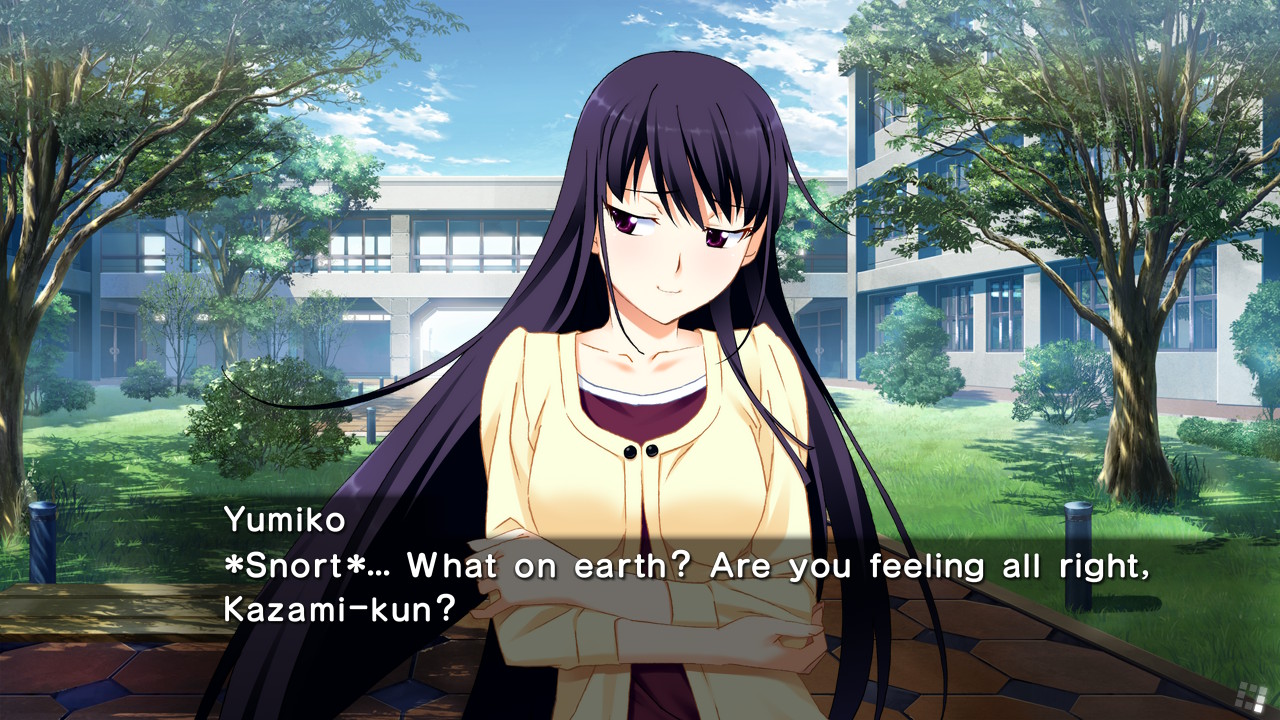
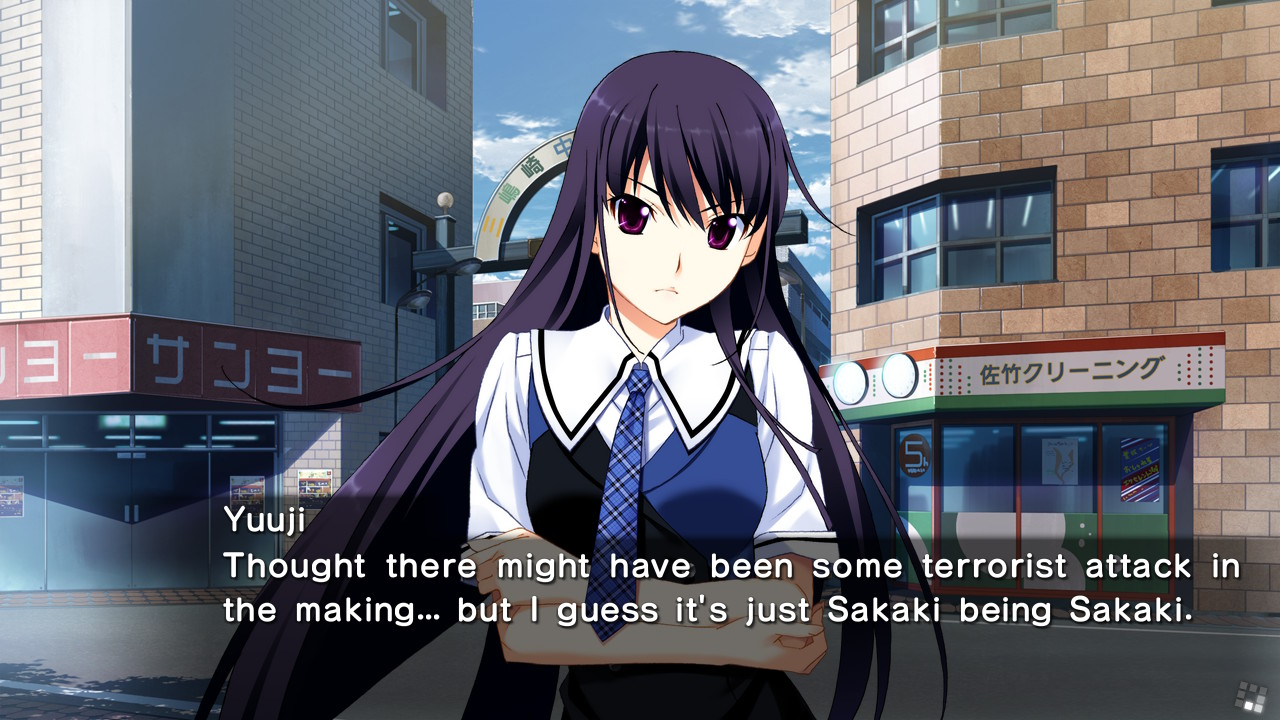
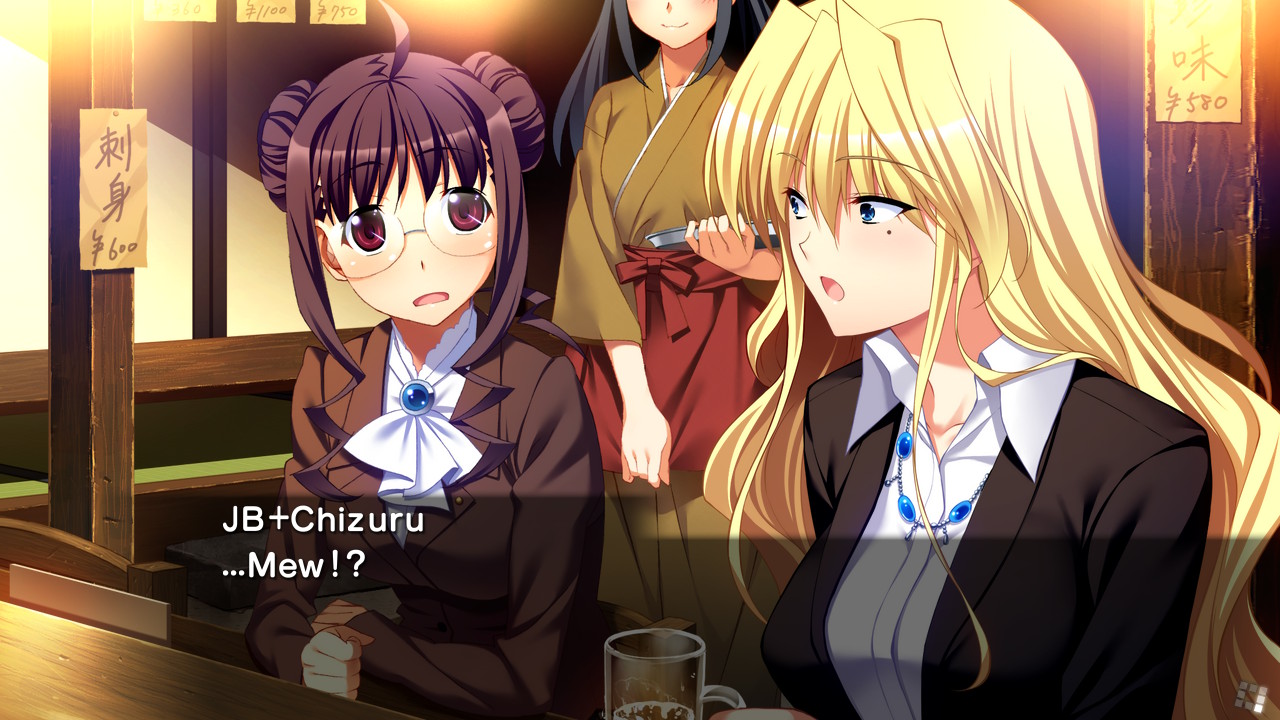
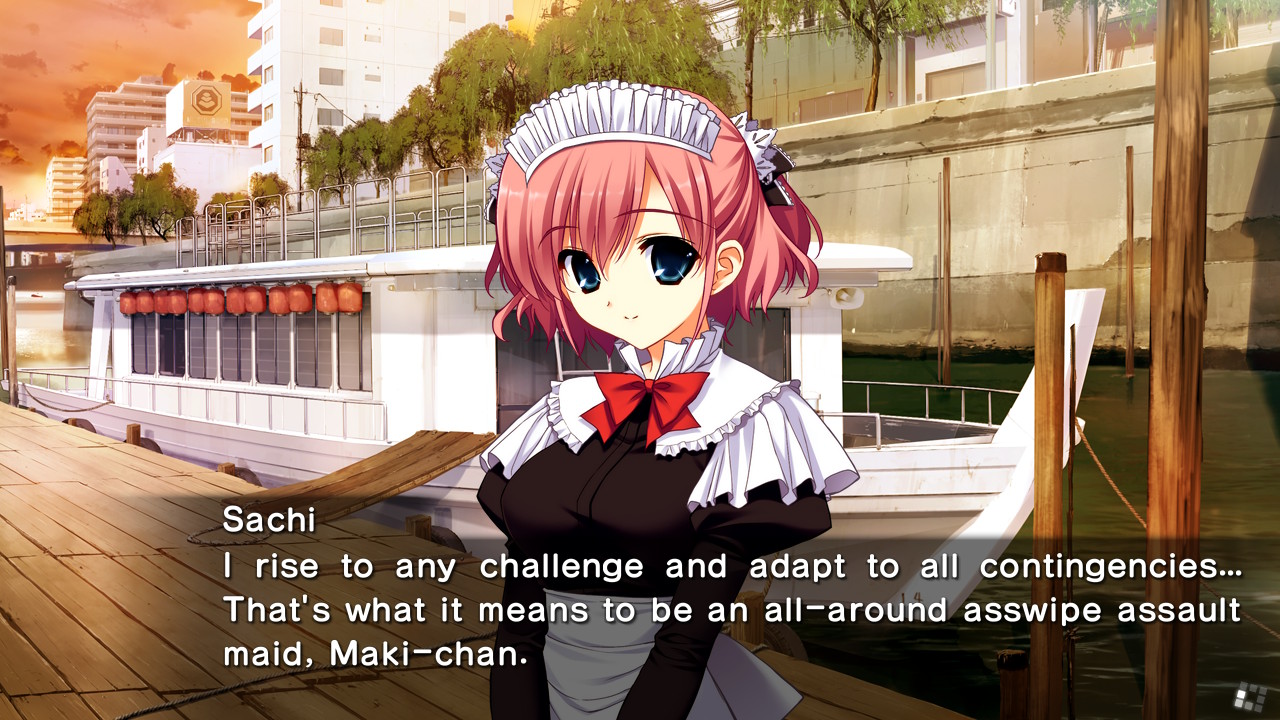
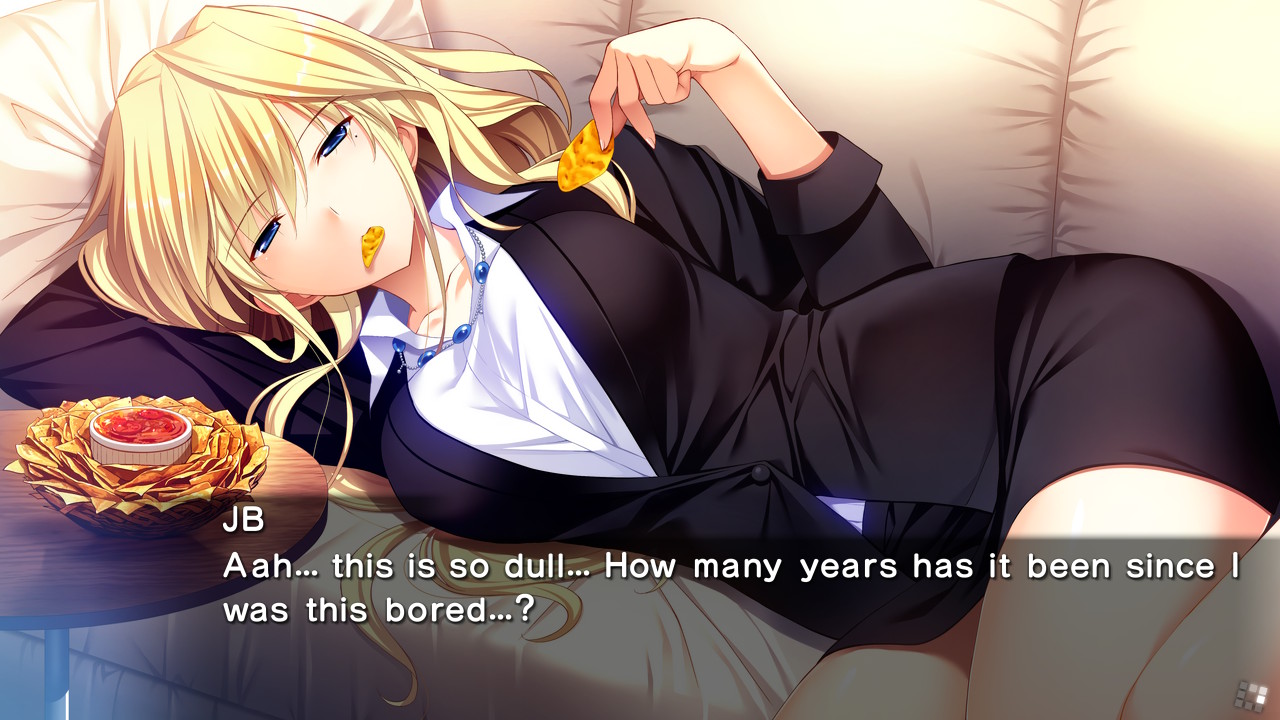
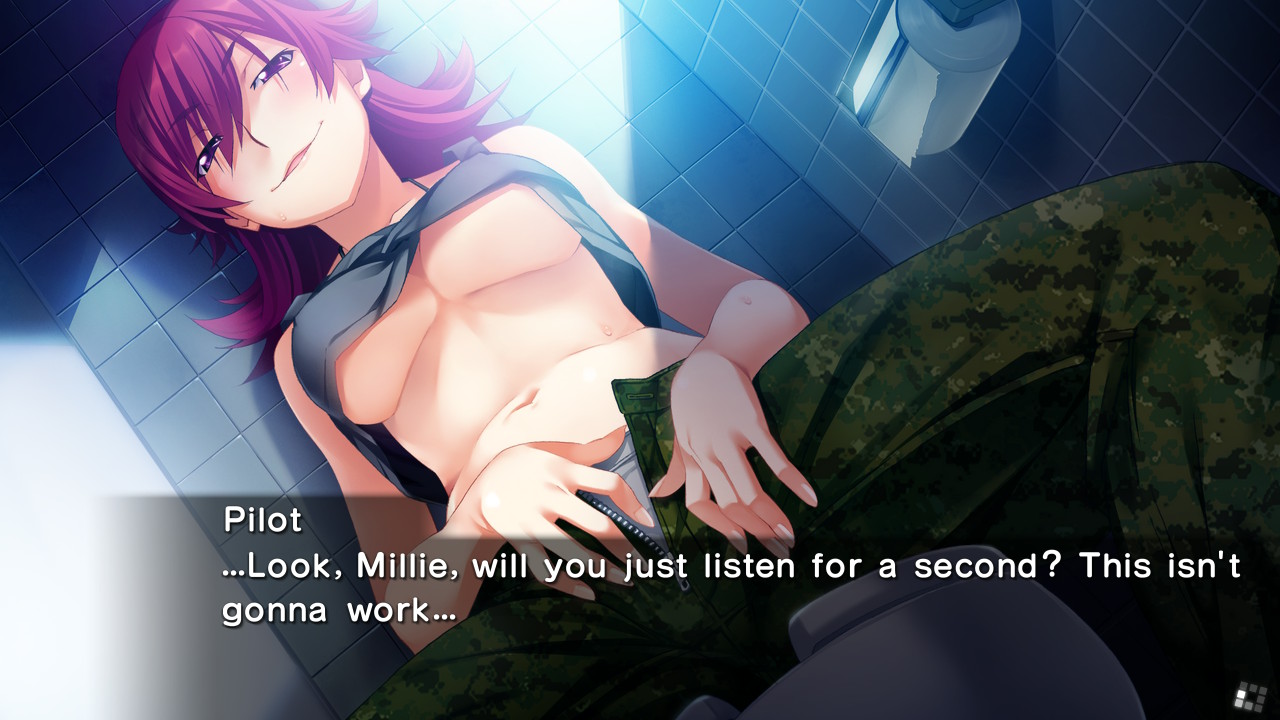
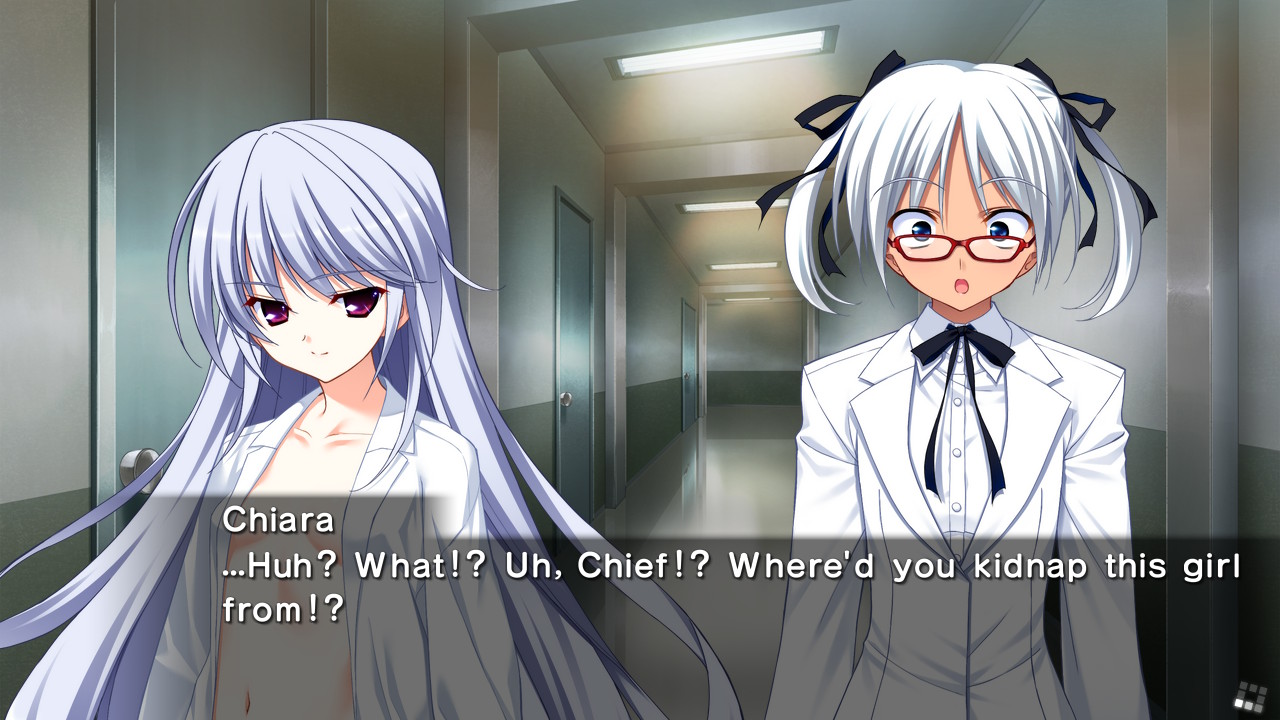
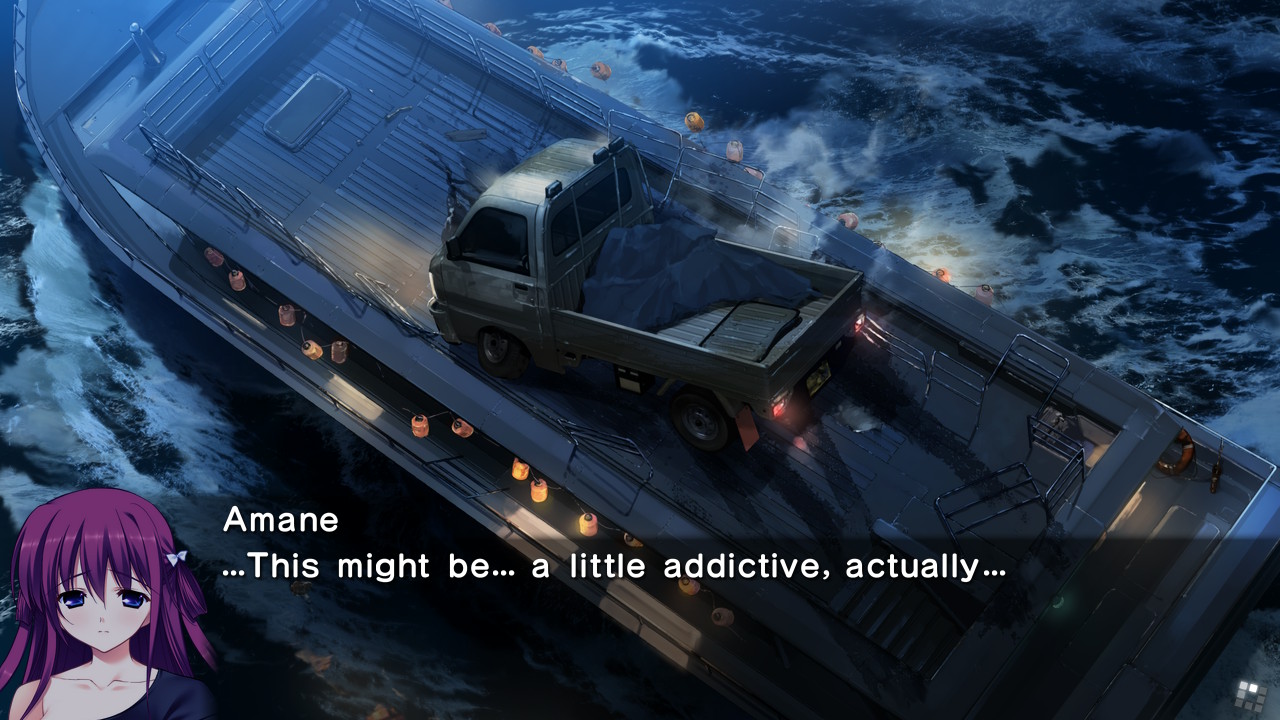
The Grisaia Trilogy
Total Playtime: 134.2 Hours
Fruit of Grisaia Playtime: 67.5 Hours, finished 13 May 2026.
Intermission Playtime: 4.0 Hours, finished 16 May 2026.
Labyrinth of Grisaia Playtime: 39.4 Hours, finished 05 August 2026.
Eden of Grisaia Playtime: 23.3 Hours, finished 25 September 2026.
Played through the series on the Switch version, which censors out the R18+ scenes and has an "official" translation, using a physical Japanese release (with native English support!) if that makes any difference. I did about as "true" of a 100% playthrough as possible for this trilogy; I've played through all of the main routes, doing all the Bad and True endings, finished all of the side episodes, mini-skits, the Mihama Prologue and the other character afterstories. In the progress tracker, I have 100% for all scenes, movies, CGs, and music; the only thing of note that I haven't done is select some of the meaningless alternate choices for a few pointless lines of flavor dialogue.
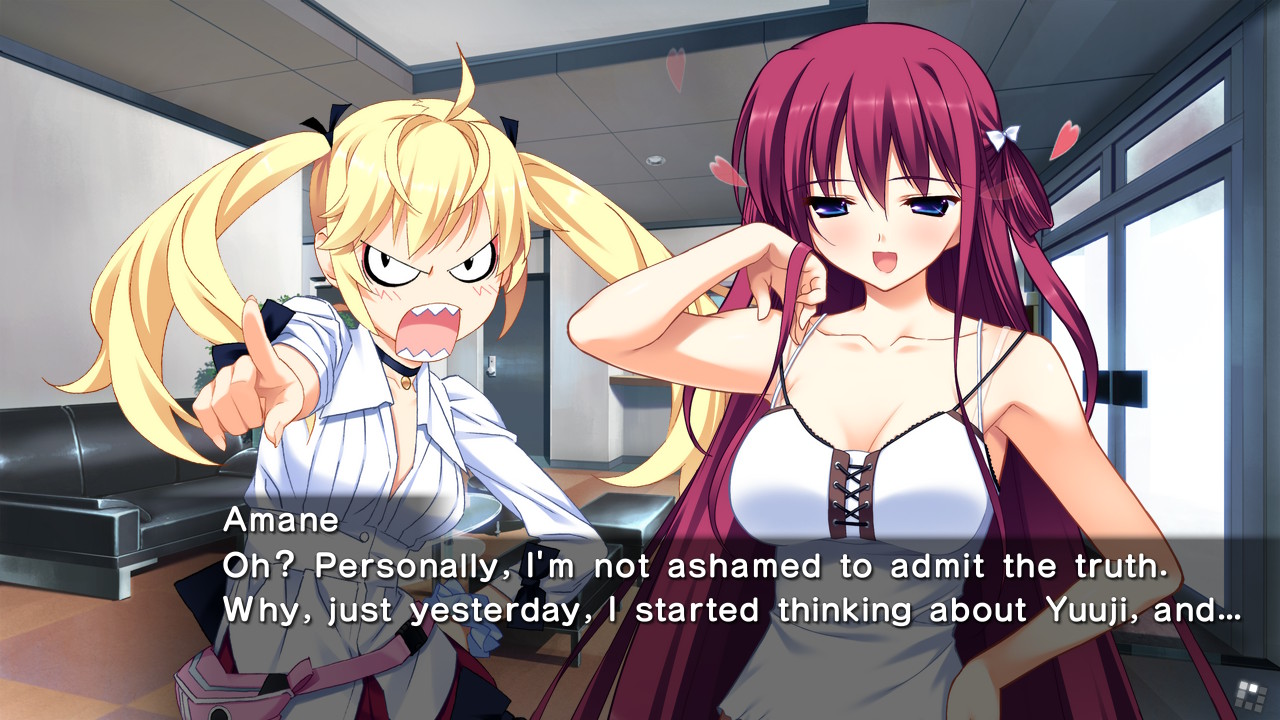
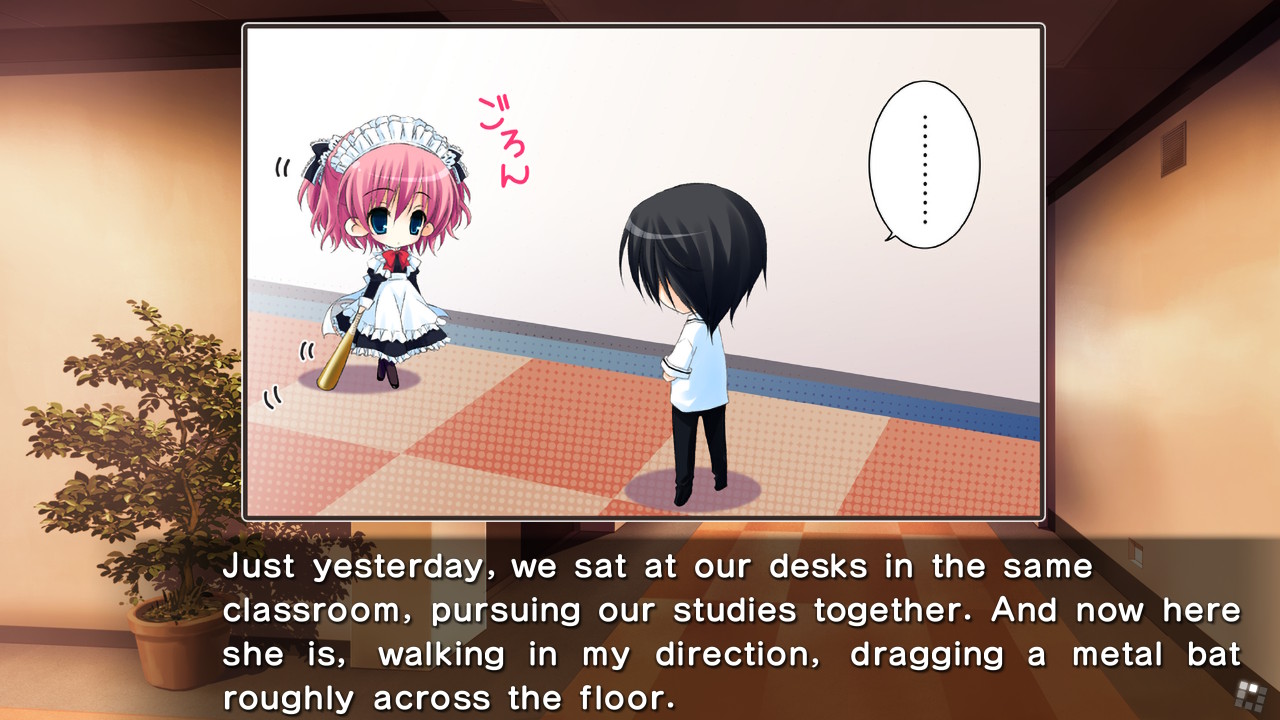
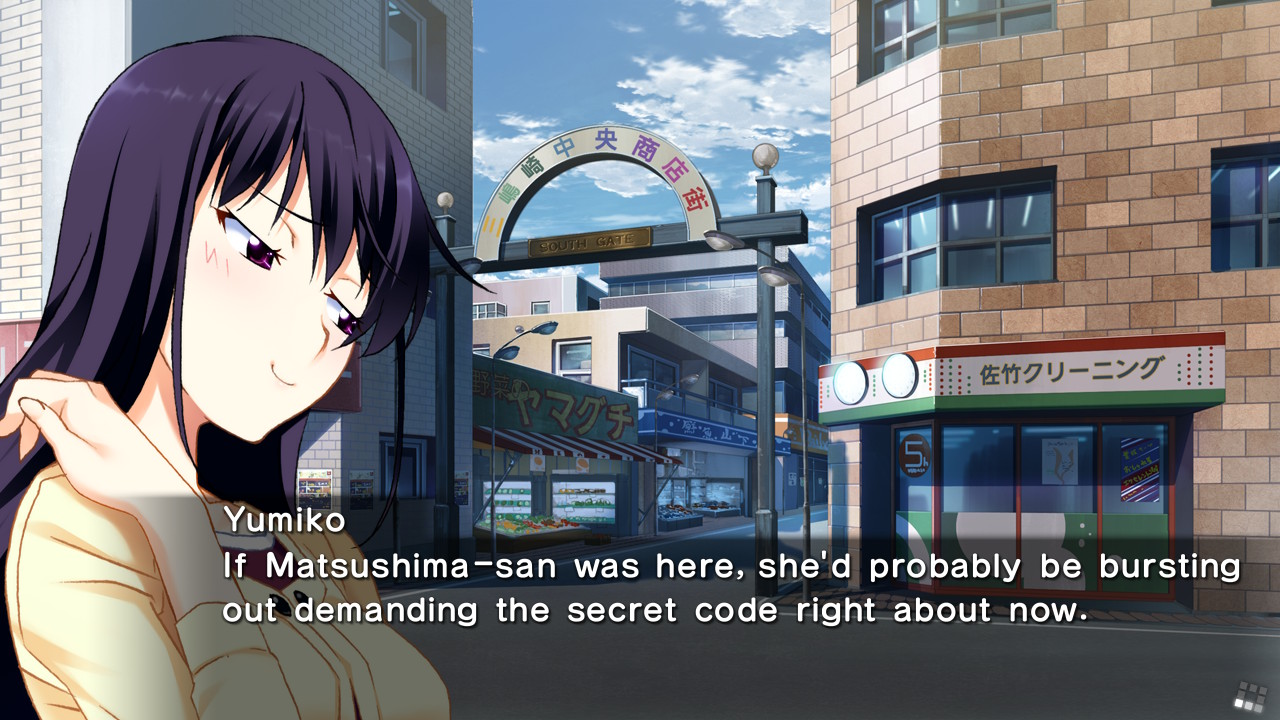
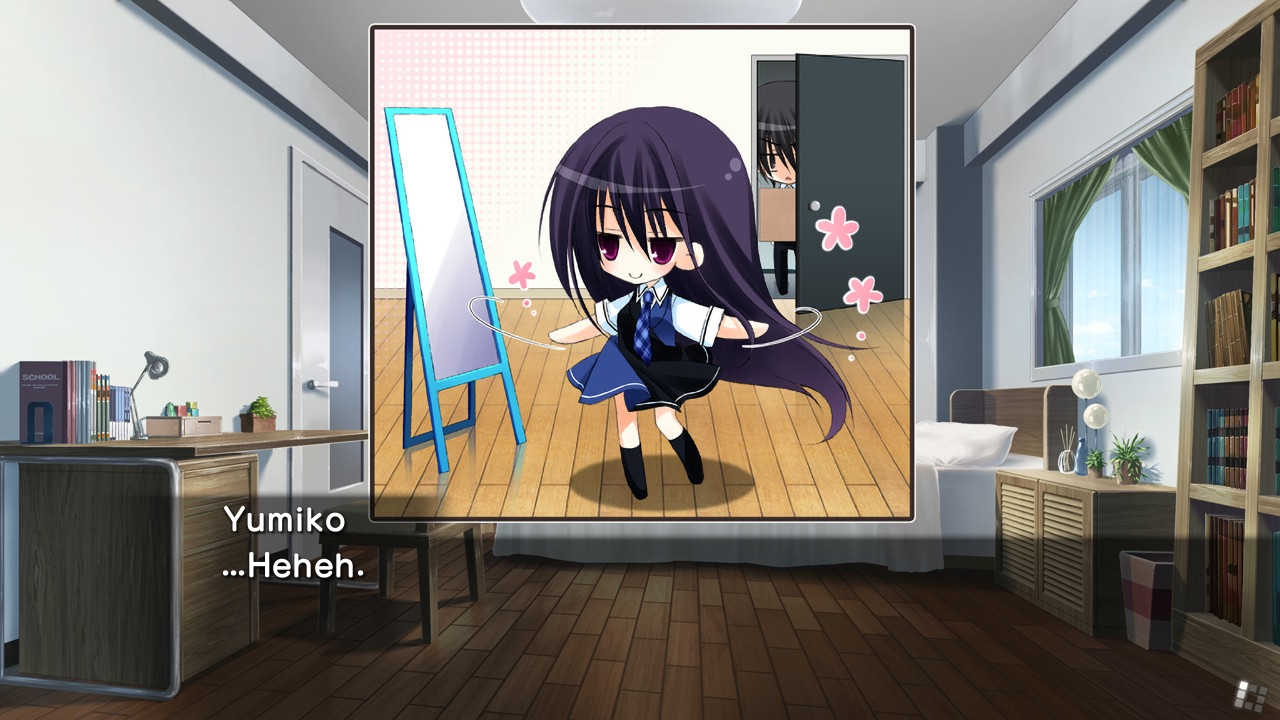
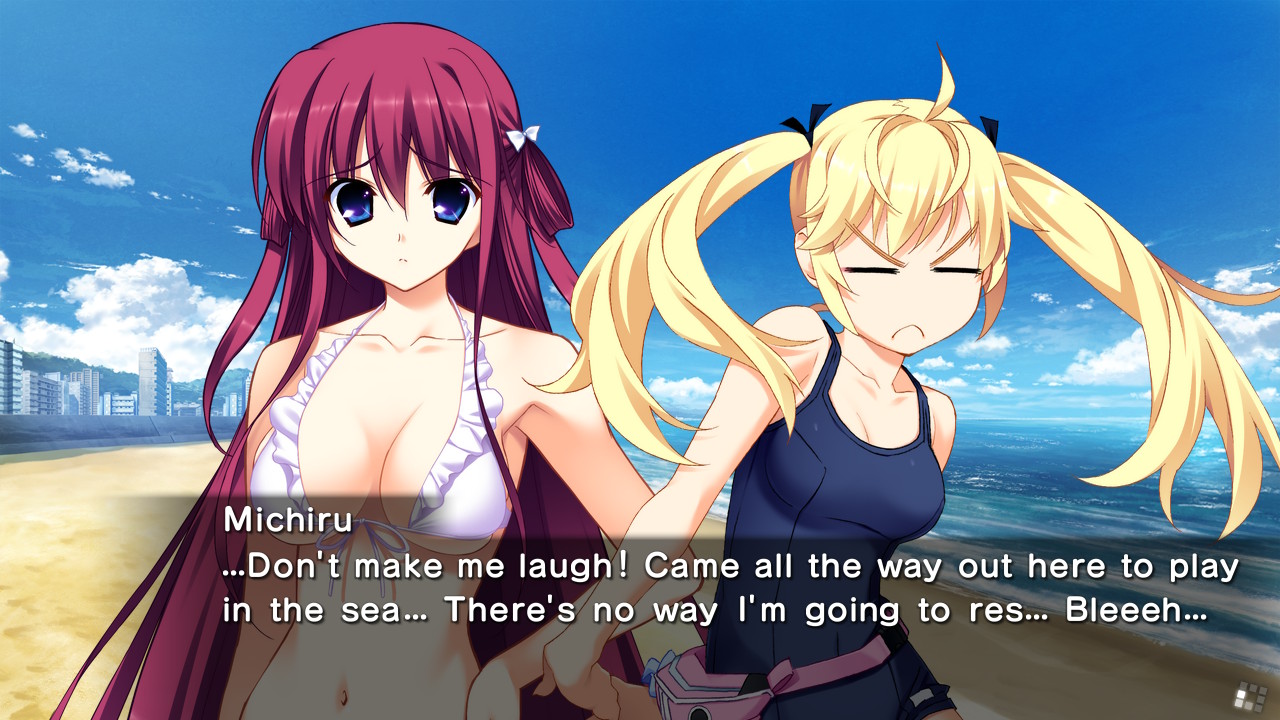
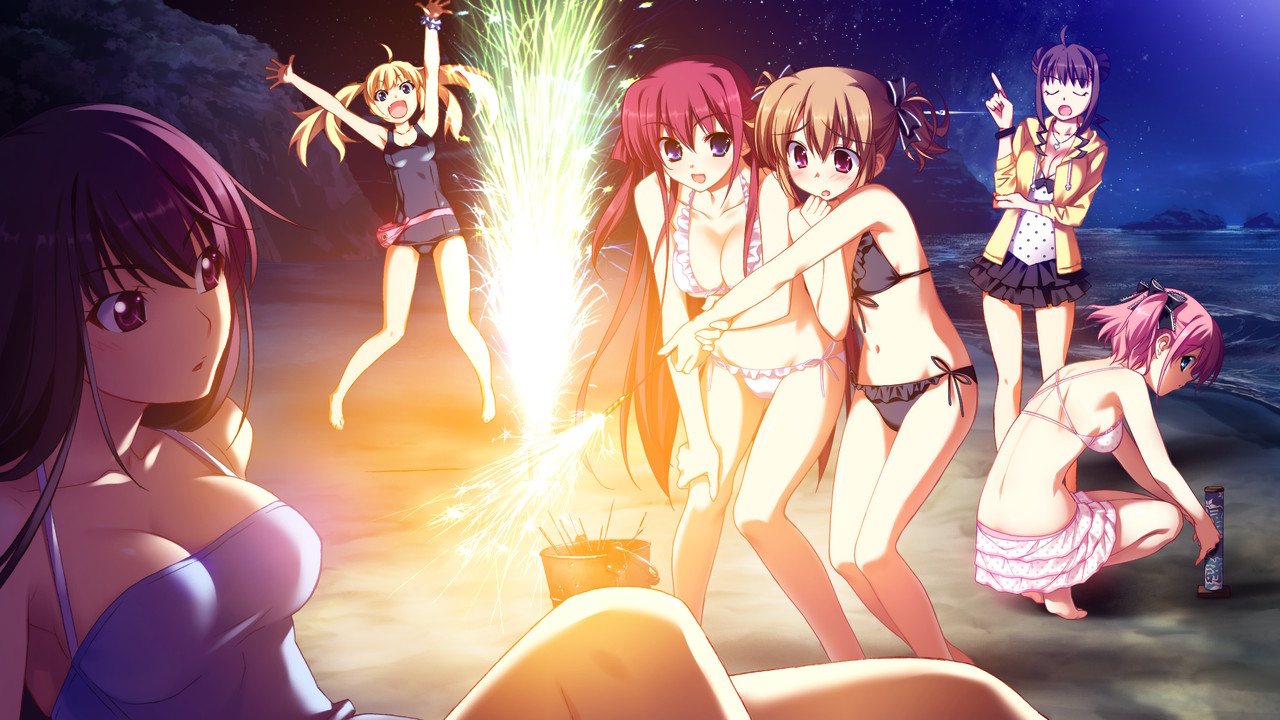
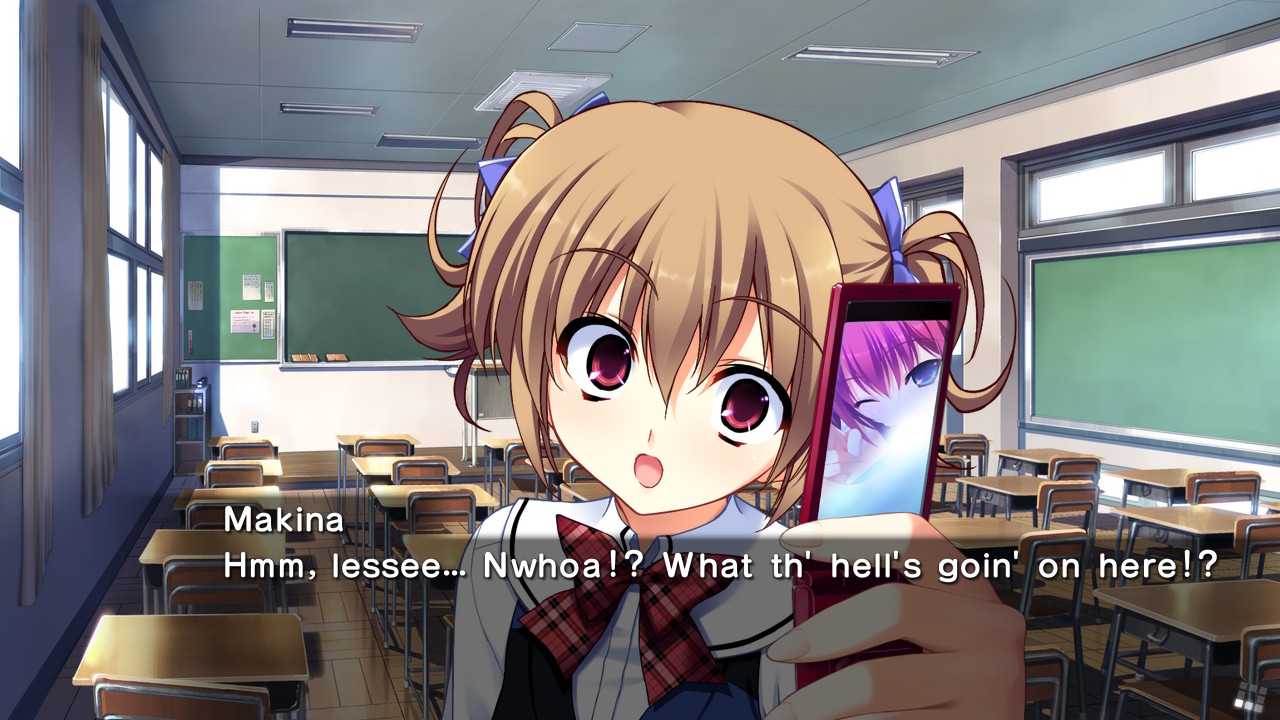
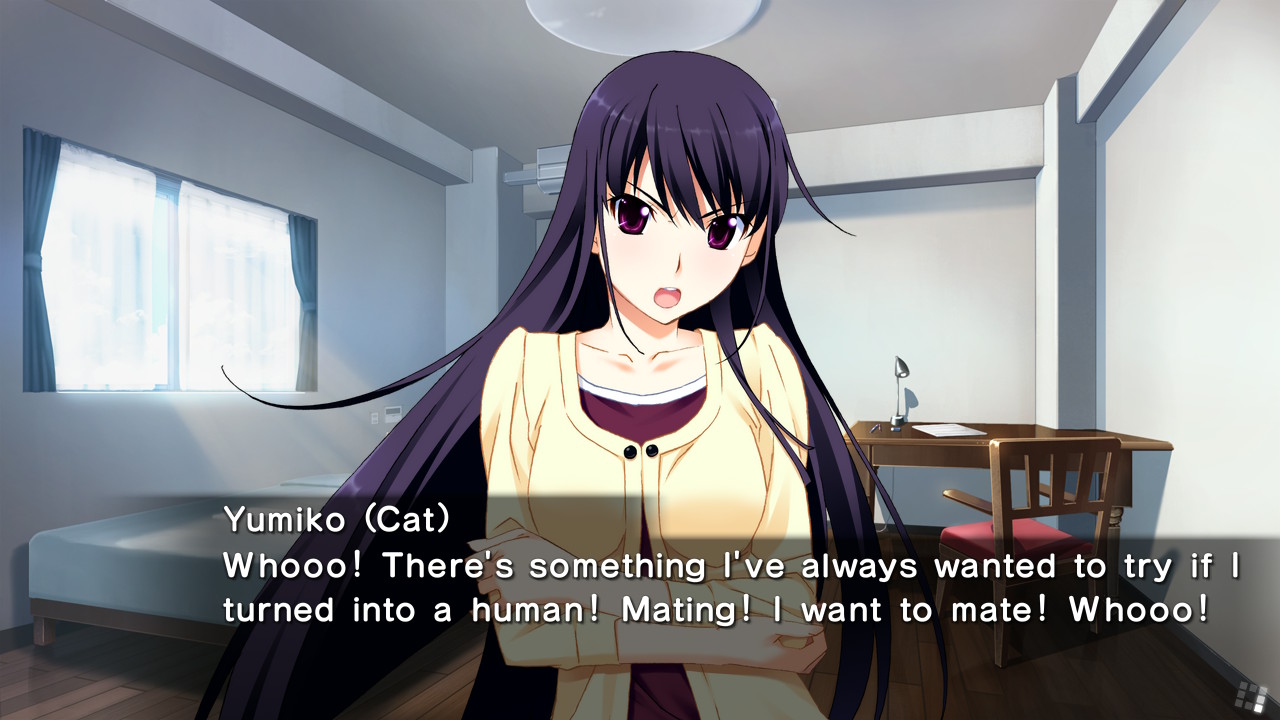
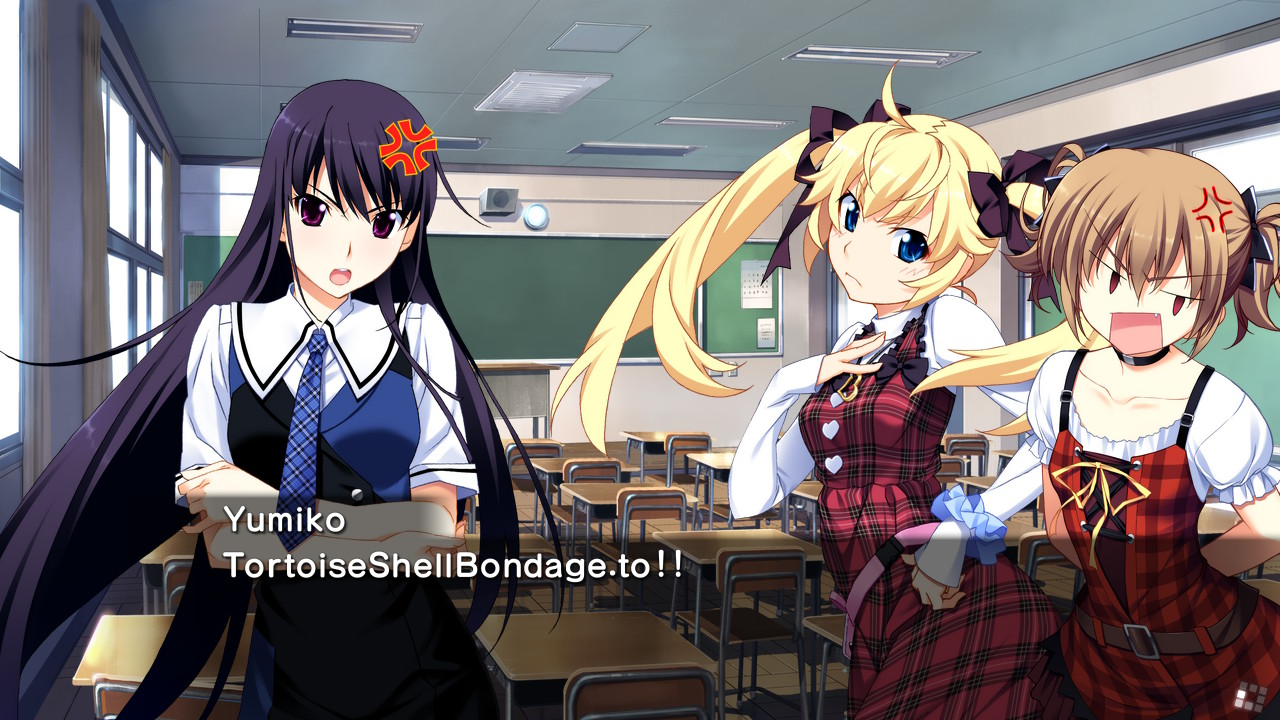
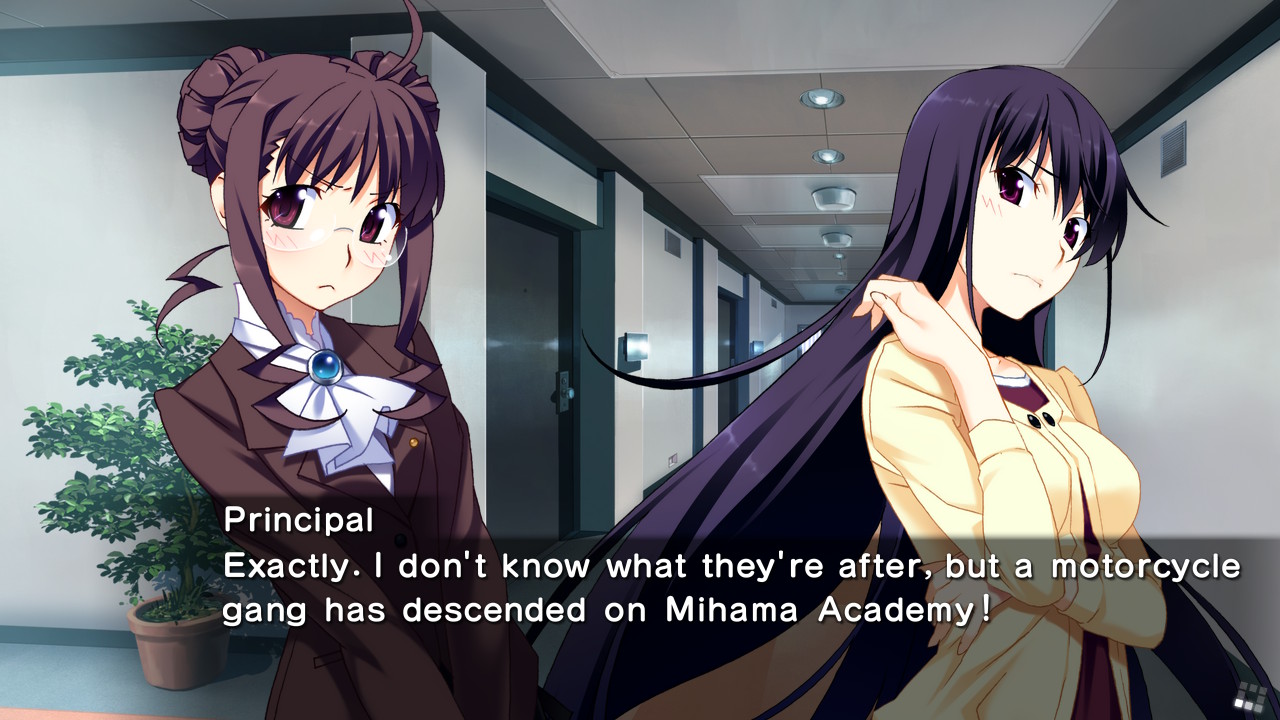
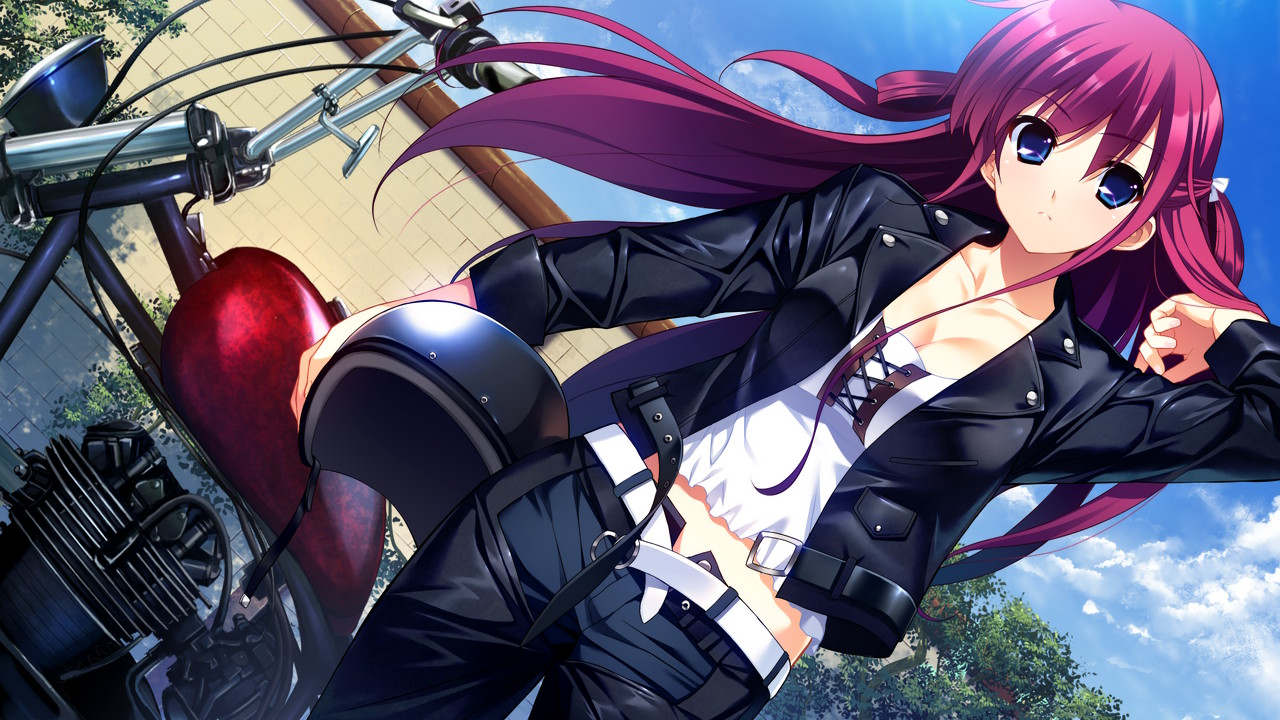
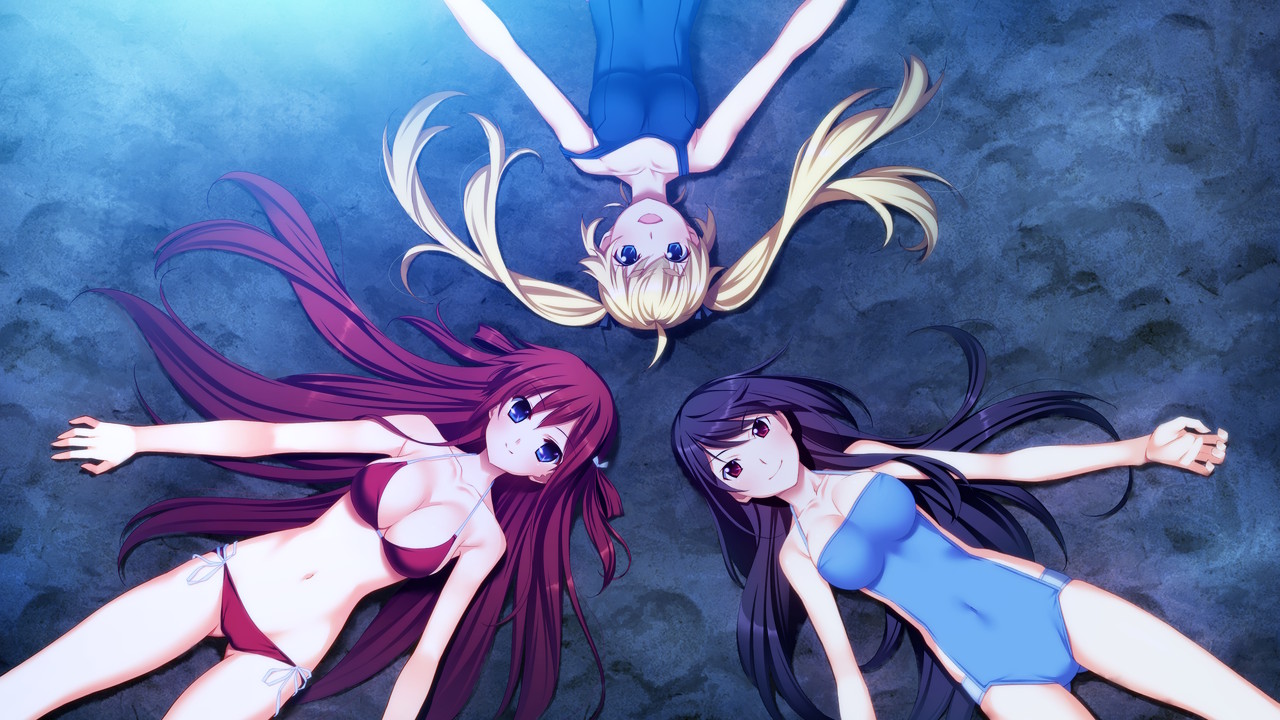
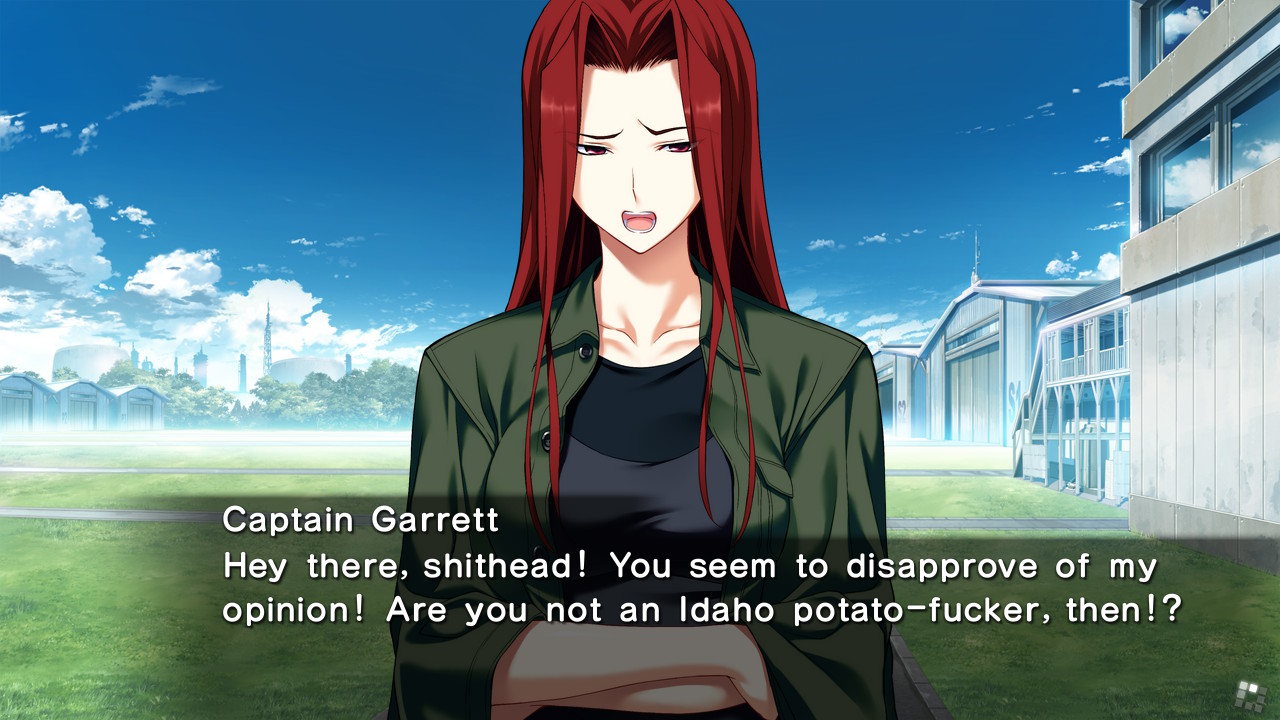
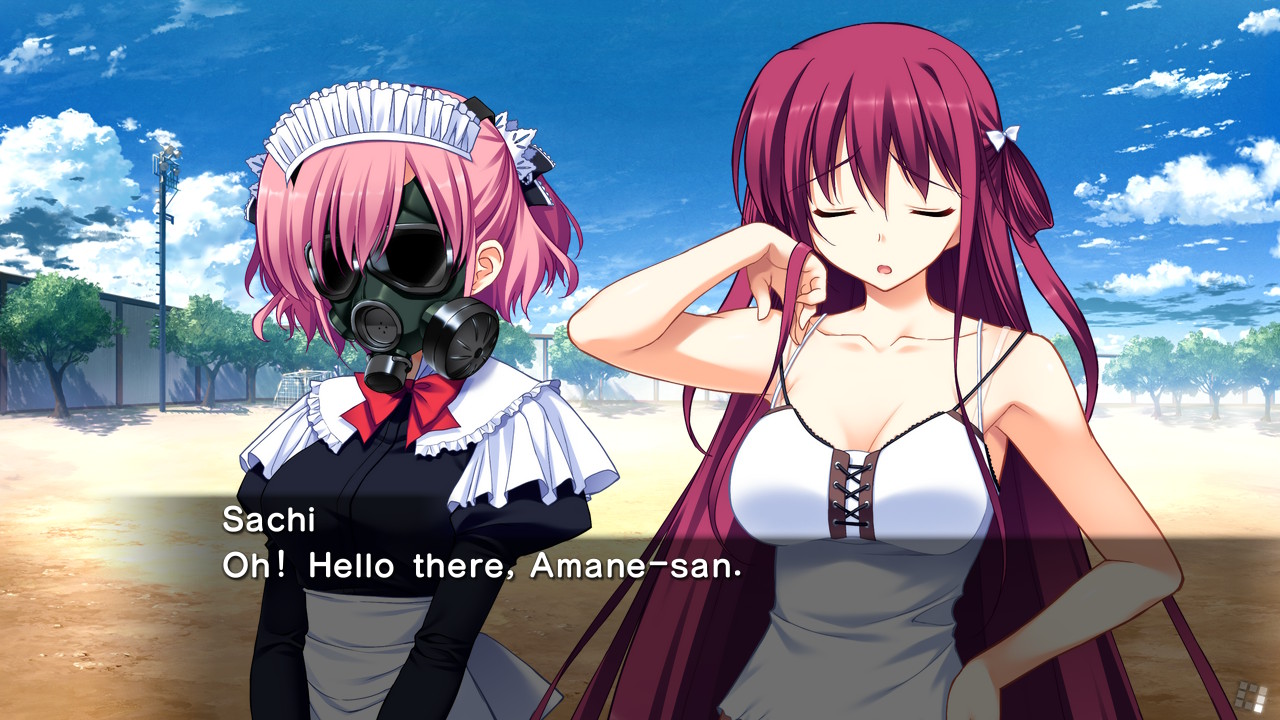
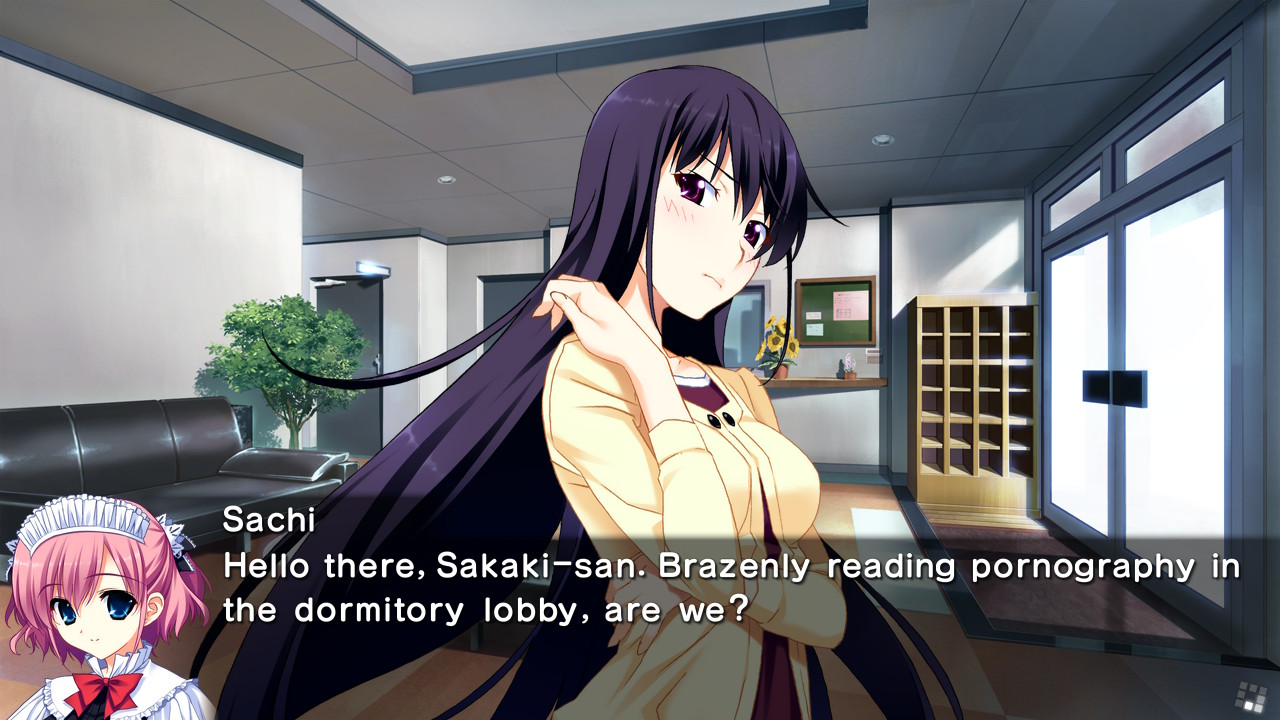
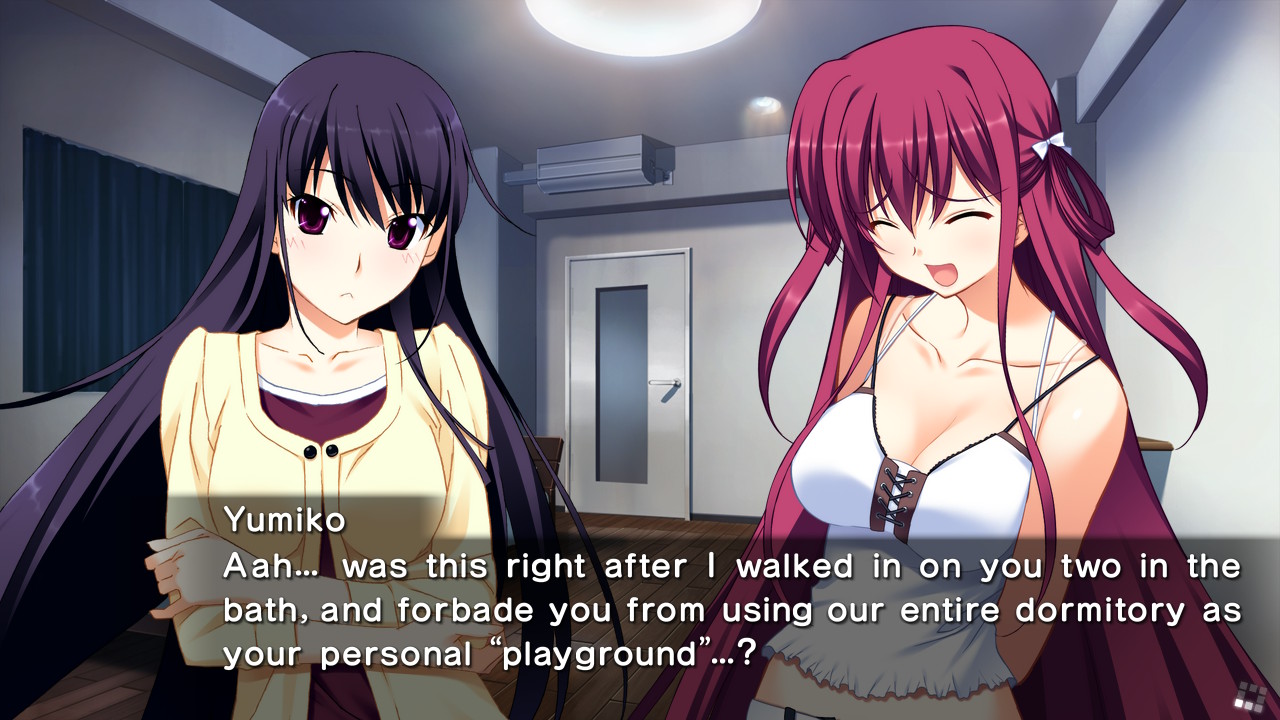
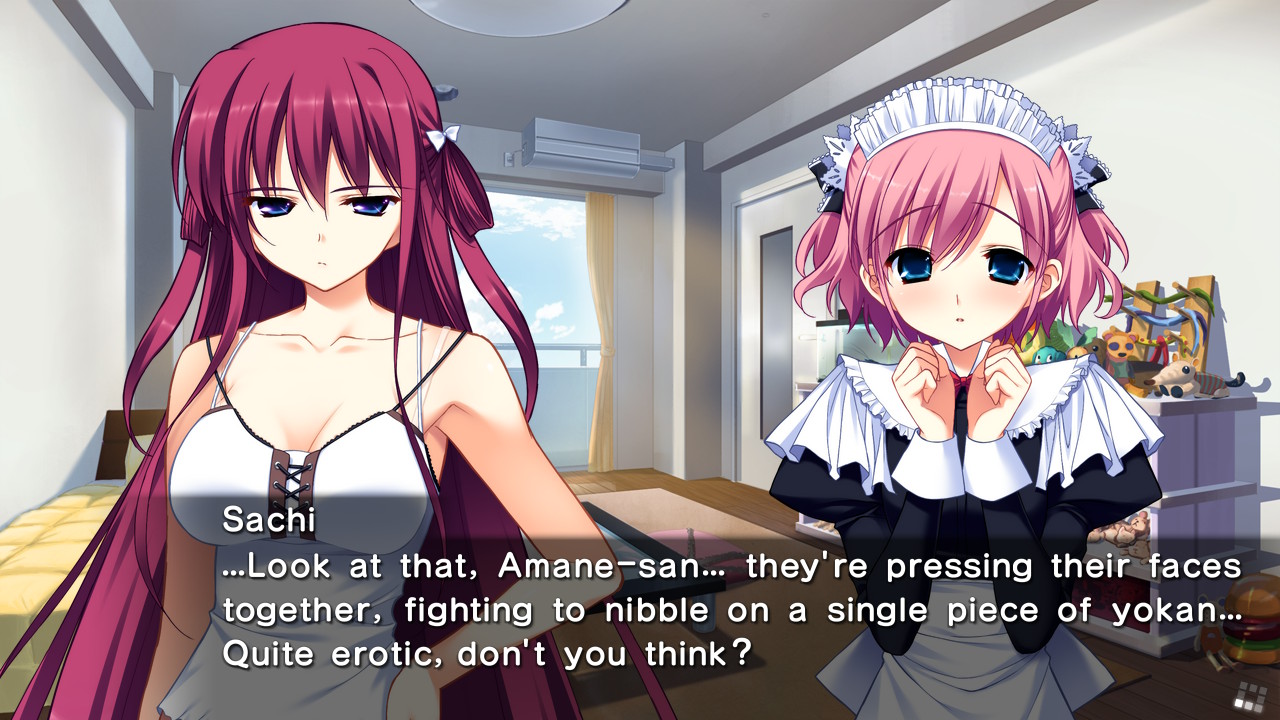
For whatever it's worth, my opinions of the characters are: Yumiko >>> Amane > Sachi > Michiru >>> Makina. That ranking was from immediately after the first game (Fruit), but this is still pretty consistent even after the remainder of the series, except I'd put Michiru & Makina roughly on par with each other, and the other girls >>>>> those two since they just got consistently more insufferable over the course of the series.
I feel like I've seen this game recommended for over 10 years at this point, so it's a wonder that I've only decided to actually play it now. This game is a very pure VN, and is almost entirely kinetic in nature except for the route-branching choices from the Common Route, and another set of choices at the end of each character's route that differentiates between the True & Bad ending paths. The plot of the game is broken up into different "Scenes" or "Chapters", each generally framed around a specific event - this is followed by the other games in the series as well. In the common route, the events are very loosely connected overall, each one being essentially a skit that helps develop the characters and relationships. Individual character routes are far more focused around a single plot line.
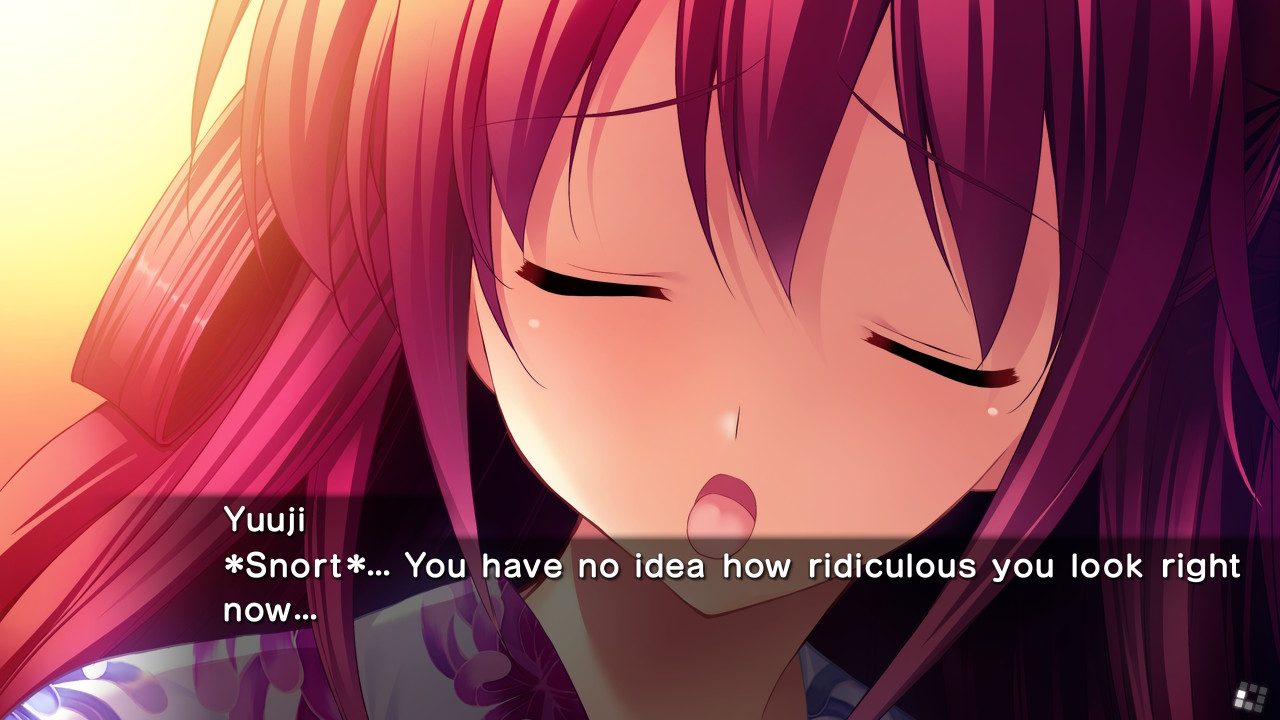
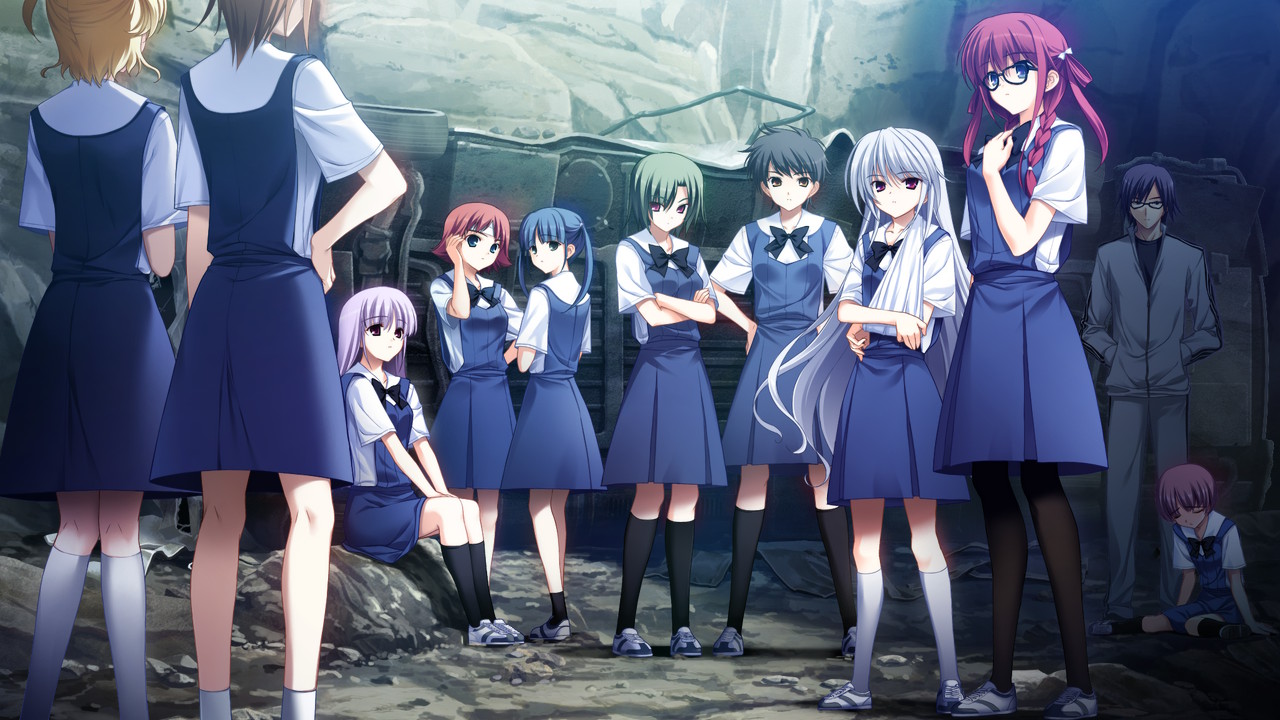
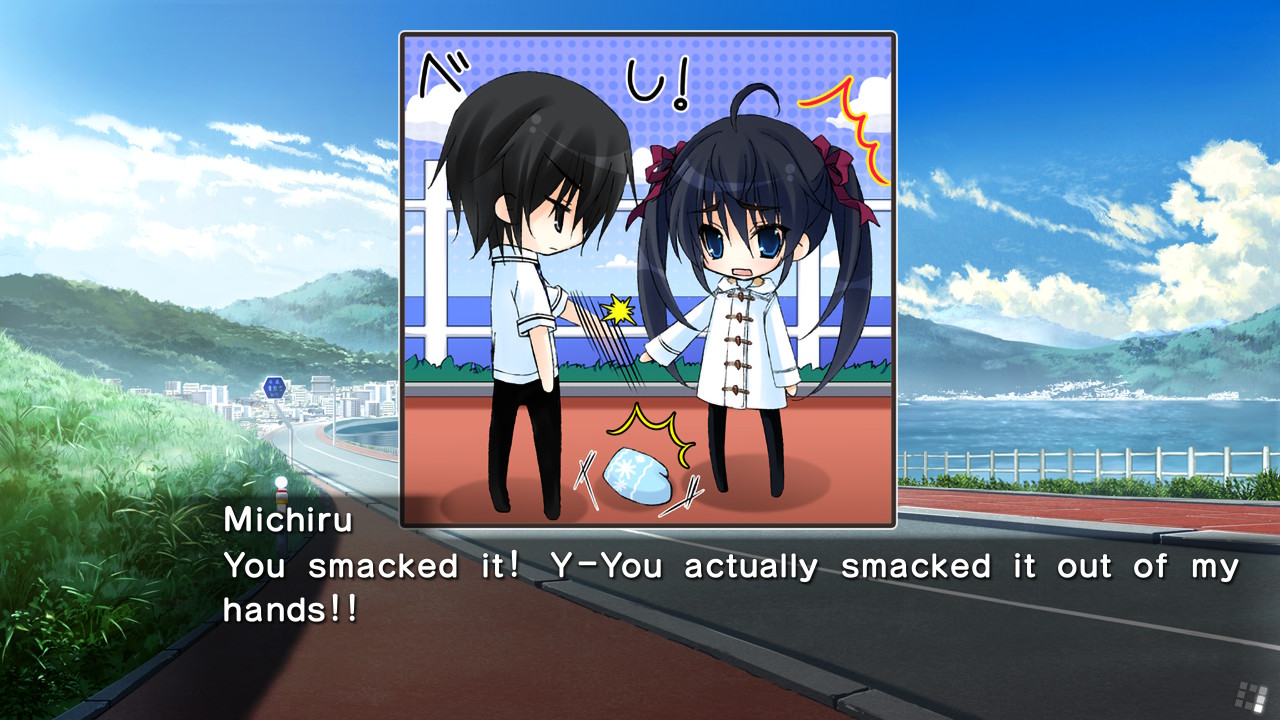
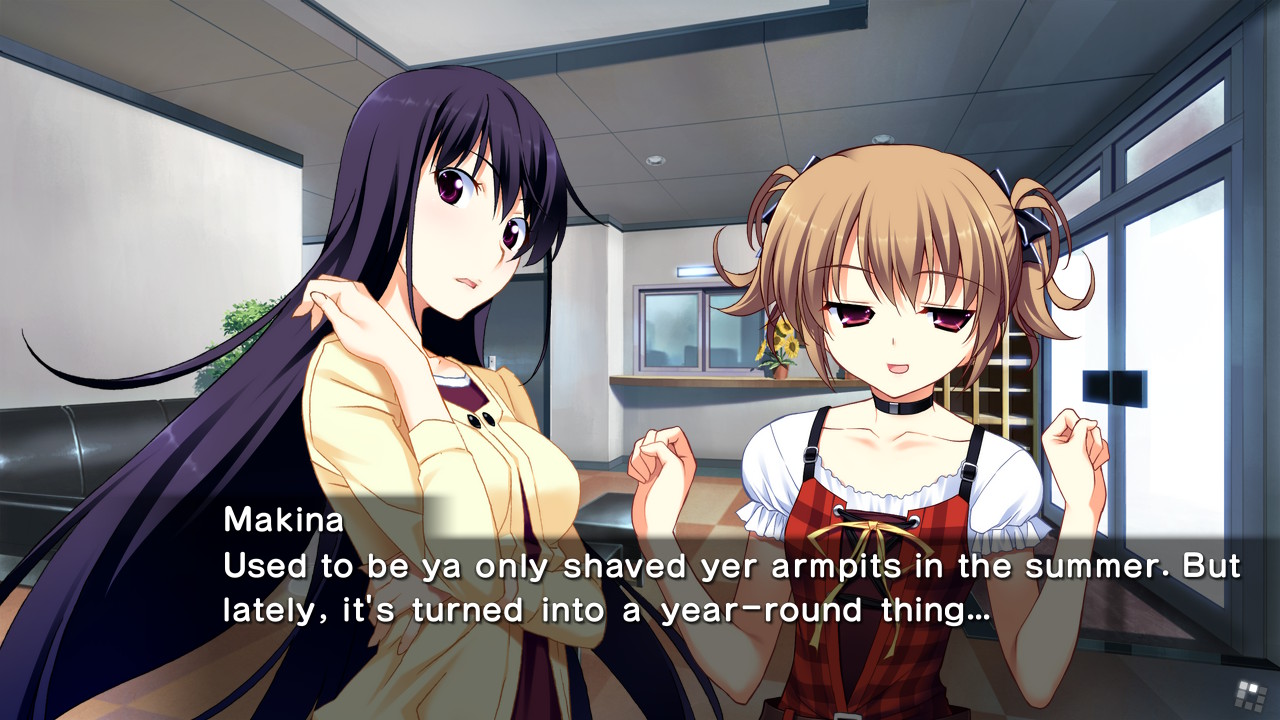
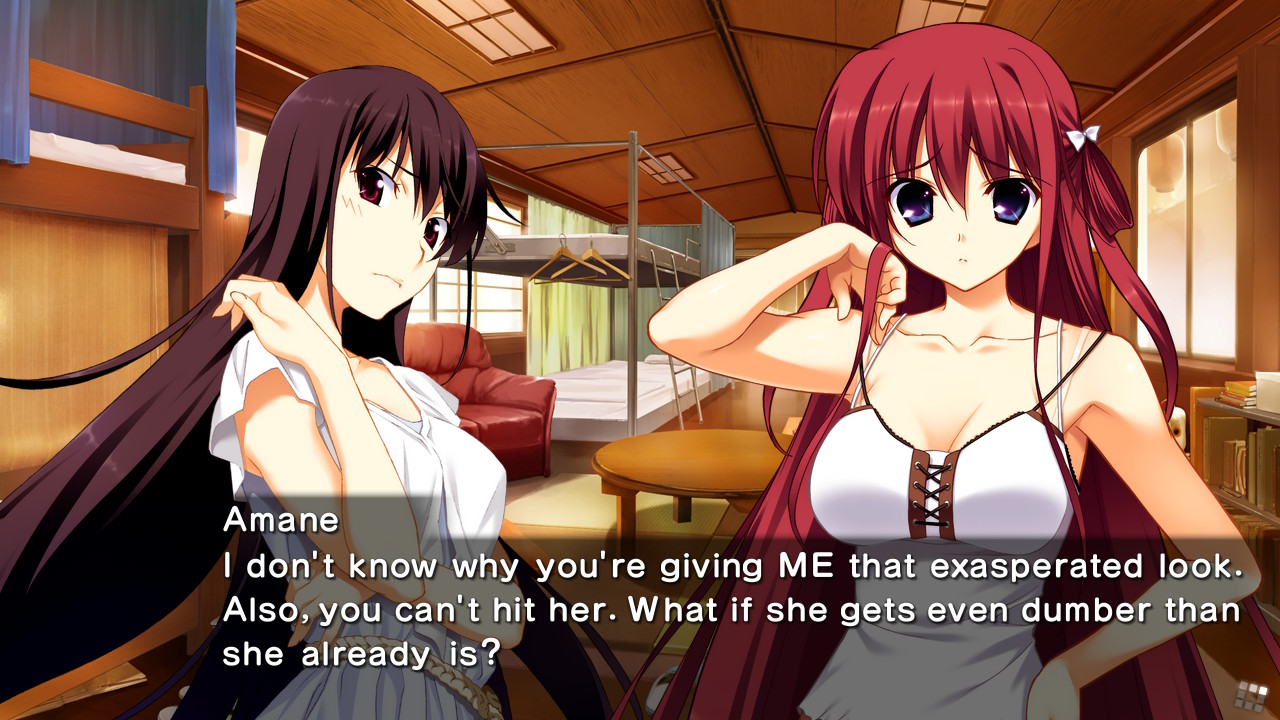
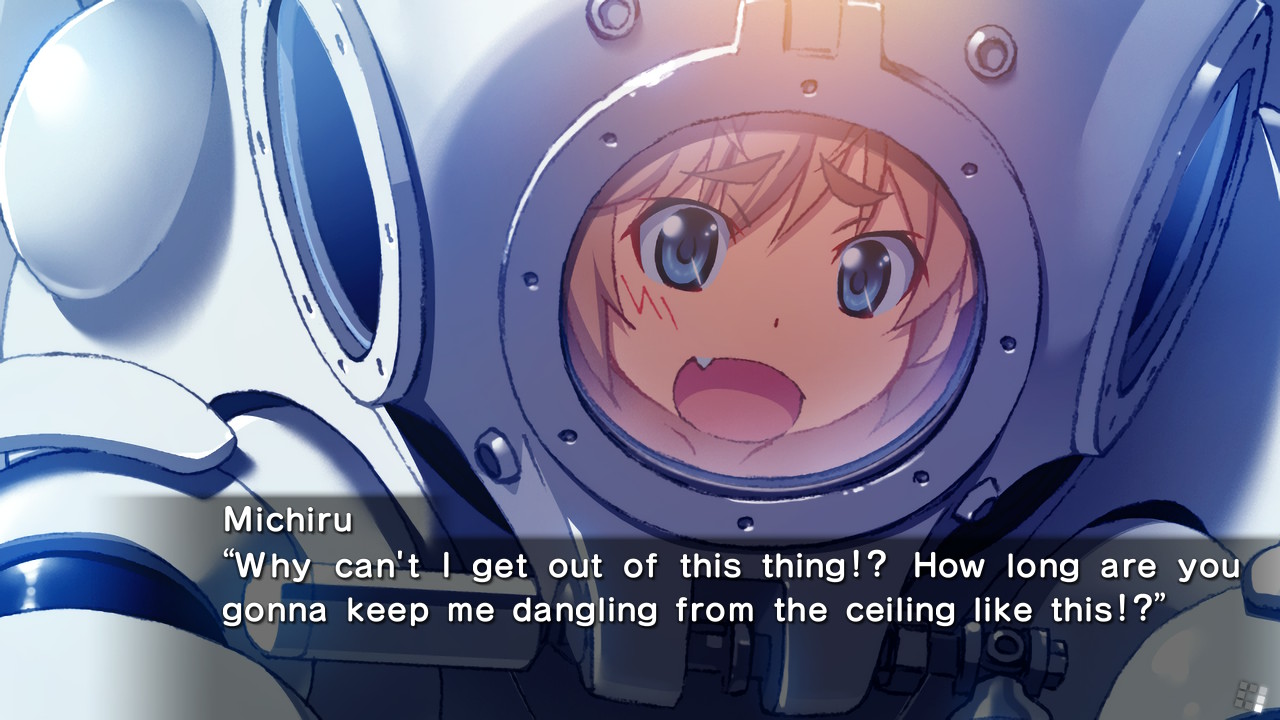
One of the most striking things about the game is the extreme tonal whiplash I experienced between the Common route and the individual character routes. It's not completely unexpected, as the entire purpose of Mihama Academy as an isolated school is to house people that cannot possibly adapt to life elsewhere for varying reasons, hinting that everyone is screwed up in one way or another mentally. This is no less true for Yuuji, who is some kind of government-sanctioned child soldier and assassin. That said, the first 20 to 30 hours of the game are taken up entirely by lighthearted & comedic events that draw your attention away from these underlying issues. All the characters are eccentric in different ways: Makina is childish and bratty, Michiru is acting tsundere and really dumb, Sachi is an extreme perfectionist who will do anything as ordered, Yumiko is a hostile shut-in, and Amane takes on a slutty personality with Yuuji at first sight (for some reason). A lot of these are pretty funny, some are a bit annoying, but all in all I got really tired of them by the time the route was finally over since I felt like I was treading water the entire time, with too many skits being about the same things.
With that said, the common routes were ultimately essential for really defining the relationship between all of the characters and allowing the character routes to really serve as a wake-up call. As mentioned before, all of the girls have their own unsolved issues that have been festering in the background of the happy-go-lucky story up until that point, but very little detail is actually exposed about their underlying causes before the common route is over; I felt like the common route would have felt more meaningful if hints were sprinkled more liberally throughout, but that balance is realistically very difficult to strike. Character routes also vary extremely in terms of scope and tone, making it very obvious to me that they were written by separate authors with no specific guidelines to define the severity of each thread's central conflict.
Makina's plotline is probably the most meaningful of the bunch, exposing a ton of information about Yuuji's past and his capabilities as a "super-soldier". It's also the longest by some margin, including a pretty extensive segment of additional slife-of-life events at the beginning of the route before diving into the gritty details, where it turns out that she's the legitimate heir to a massive conglomerate prone to lethal infighting. The route's quite solid all around, but my main issue is that I cannot stand her as a character, given her childish tendencies - even if they make sense for her character in context. The ending is also the craziest of the bunch, where Makina (with a disabled or dead Yuuji) land somewhere in America; I have no idea how the afterstory is supposed to handle this. From what I understand, the main scenario writer of the game handled this route, so I wonder if the original plan was to have a similarly-crazy resolution to each characters' troubles.
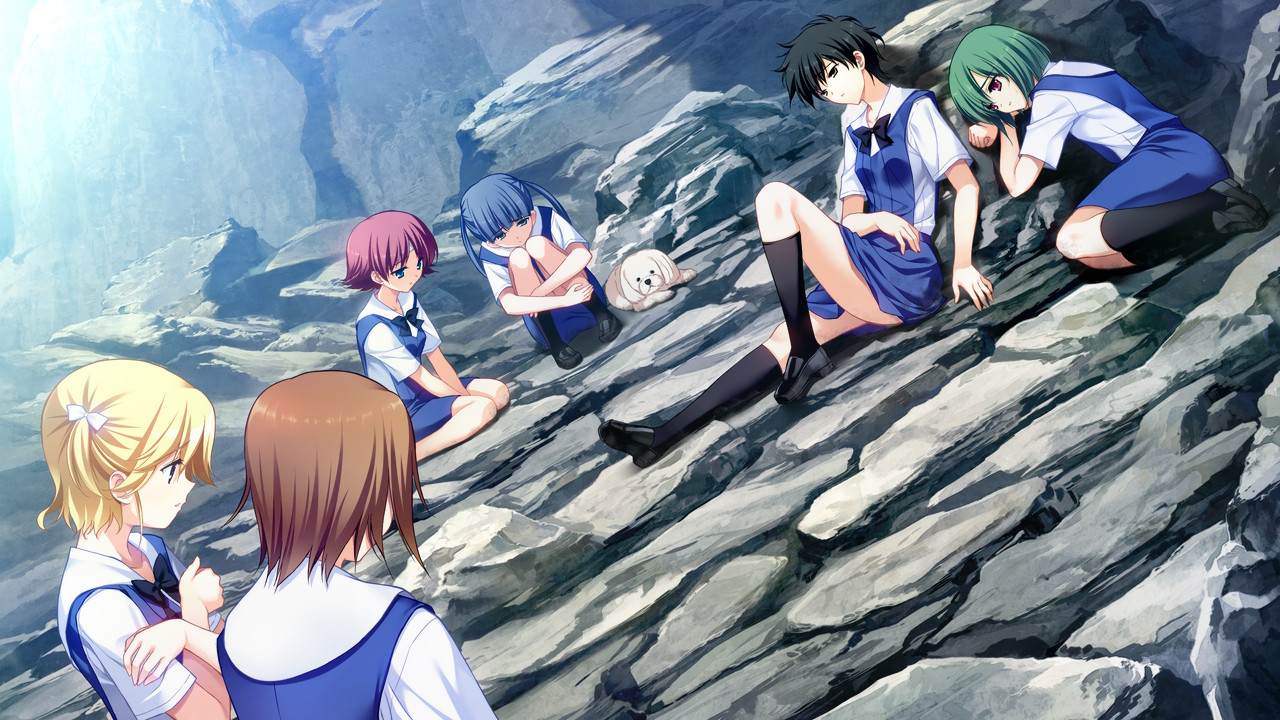
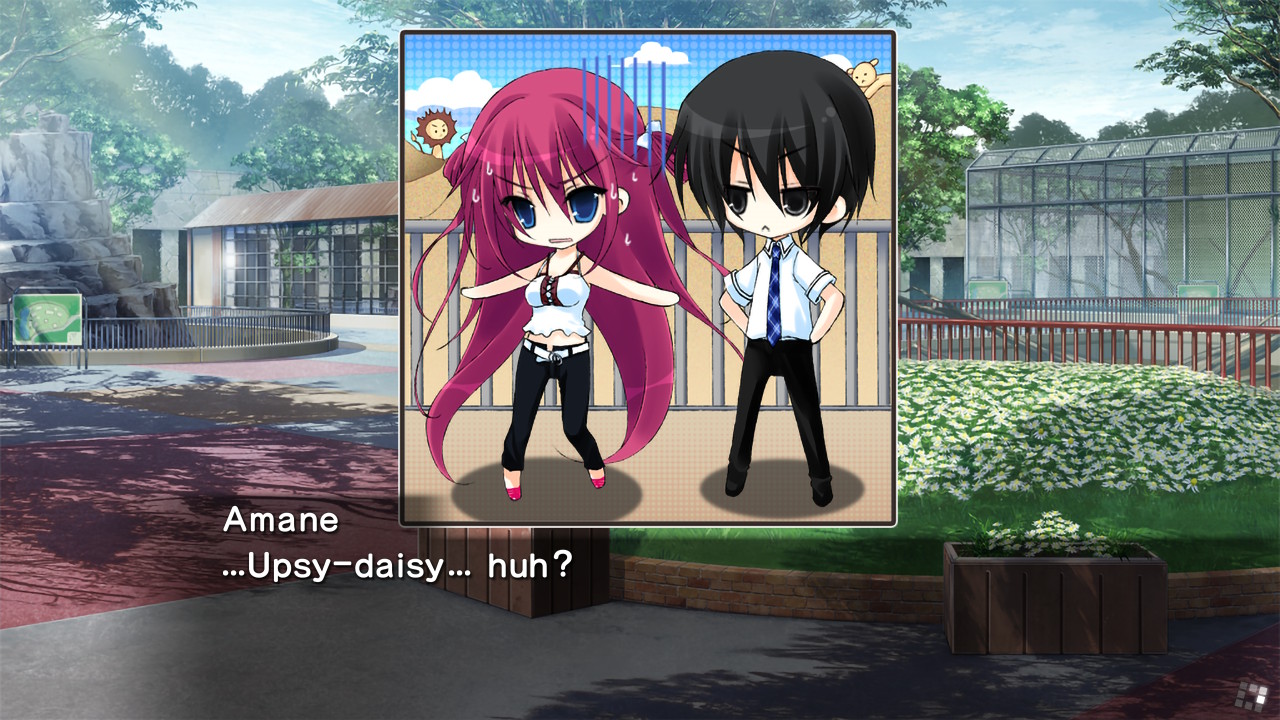
Amane's story isn't actually much of a story in the present tense, as it centers around an extended flashback of Amane's terrifying experience as the sole survivor of an incident where her sports team's bus ran off a cliff deep in the jungle. While Yuuji isn't involved, his older sister, Kazuki, happens to be Amane's main companion as they barely scrape through 2 weeks of dwindling supplies, hope, and sanity. This slow plunge into fear and helplessness, and eventually paranoia and barbarism felt like watching a car crash in slow motion (no pun intended). Given that she is the only known survivor, it's a given that everyone else in the camp died, but the tension of seeing how slowly and gradually things worsen, followed by a sudden series of deaths at the very end, is absolutely heartwrenching. I'd compare it to reading about Chris McCandless, or about any number of other disaster stories; there's a mysterious allure to uncovering the truth about these disasters. While the present-day events of the route are pretty trite otherwise, the shock of realizing the fate of Kazuki & the context it provides to Yuuji's own background help cement it as both a significant and interesting story. It helps that Amane is a pretty good character overall, minus how hard she comes onto Yuuji for seemingly no reason. This route also ends with a really weird fast-forward of the rest of the events in her life, basically skipping over the aftermath of the events with the crazy guy that followed them into the jungle when Amane & Yuuji decided to visit the memorial erected for the incident.
Michiru's story has nowhere near the same amount of bite as the other two; I feel like all that was really revealed was that her "dumb" personality was her original personality, yet she somehow inherited a second personality after a transplant for her weak heart, donated by a girl killed in a car crash. Over the course of the route, Yuuji starts to see more of this second side of her, eventually finding a way to help both of them reconcile and somehow communicate and live peacefully together in Michiru's body. That said, this conflict is almost entirely internal so it doesn't really feel like it has the same stakes as most of the others. While there are some impactful moments (such as the unfortunate fate of Rommel the cat), it feels like a route pulled out of many other slice-of-life VNs with a bit more mental illness added to it.
Sachi's story takes another angle on a personal tragedy & internal conflict. Of all the characters, Sachi's main personality trait is very prominent throughout the entire common route, and this thread of the story does an interesting job of exploring how she got to that point. In a sequence of disastrously unfortunate coincidences, Sachi loses almost everything she cared about as a child at once - first learning that Yuuji would move away on her birthday, thus losing the only friend she had, then losing both of her parents to a freak car crash when they came to look for her. All of this stemmed from a growing frustration at the lack of attention from her parents, whose busy lives robbed her of anything resembling a proper family. I feel like this route did a much better job of exploring Sachi's extreme trauma, and the way her broken spirit turned her into a maid who could not refuse any request; though I doubt it's "realistic" from an actual psychological standpoint, it helped contextualize her eccentricity and made me really appreciate her character all the more. While bittersweet, I loved the way the ending brought closure to her and washed away the anxieties that had held her hostage for so long, and seeing the way she slowly recovered and started to move on left a very hopeful tone at the end. IMO, Sachi's route kind of makes many of the themes of Michiru's route obsolete.
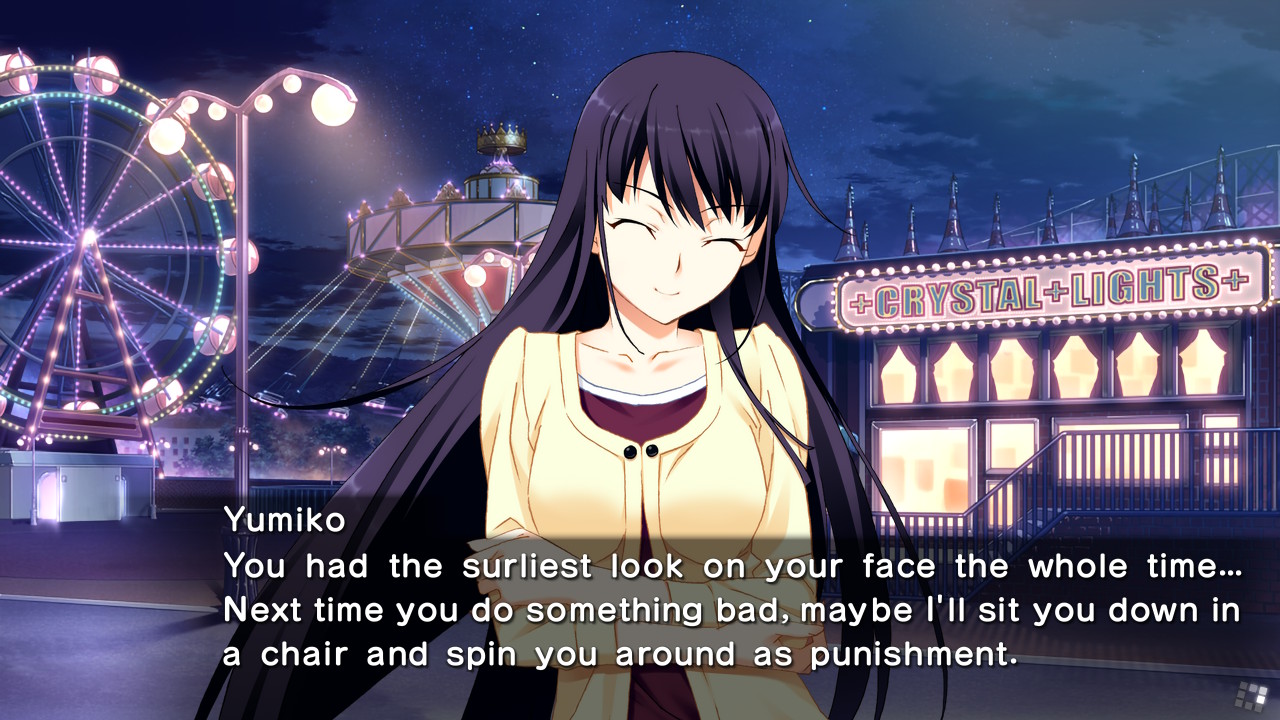
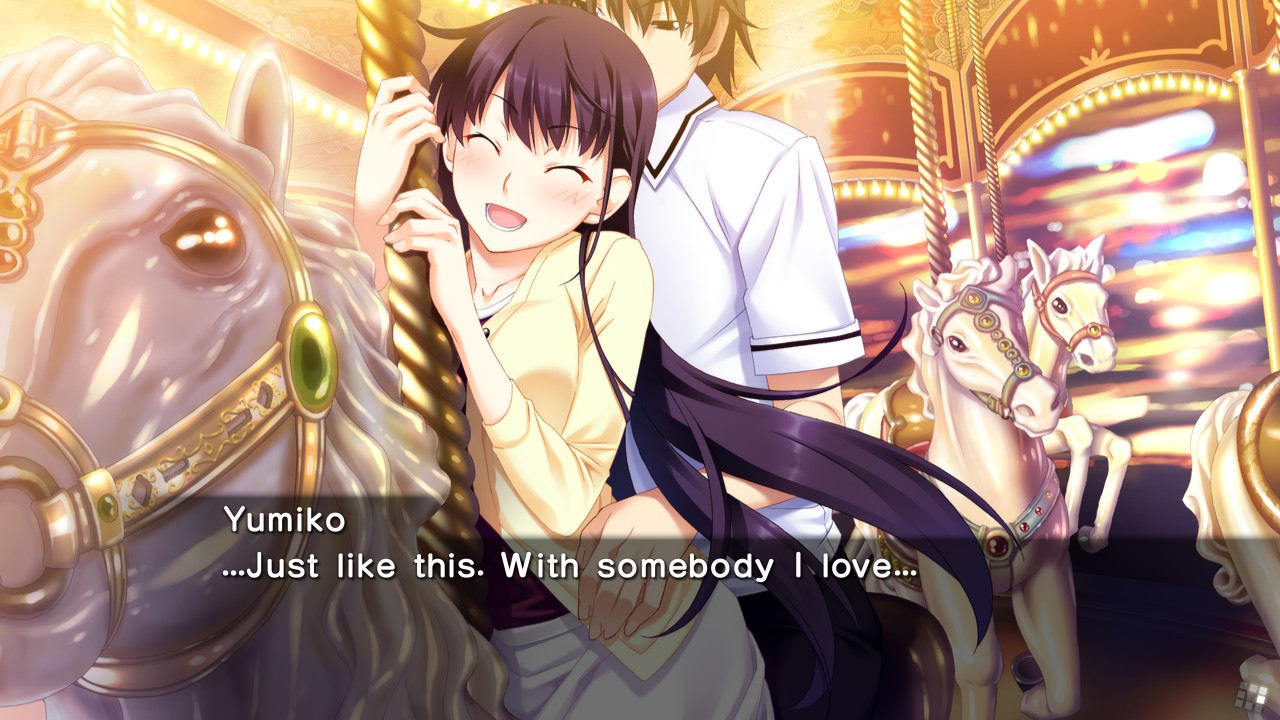
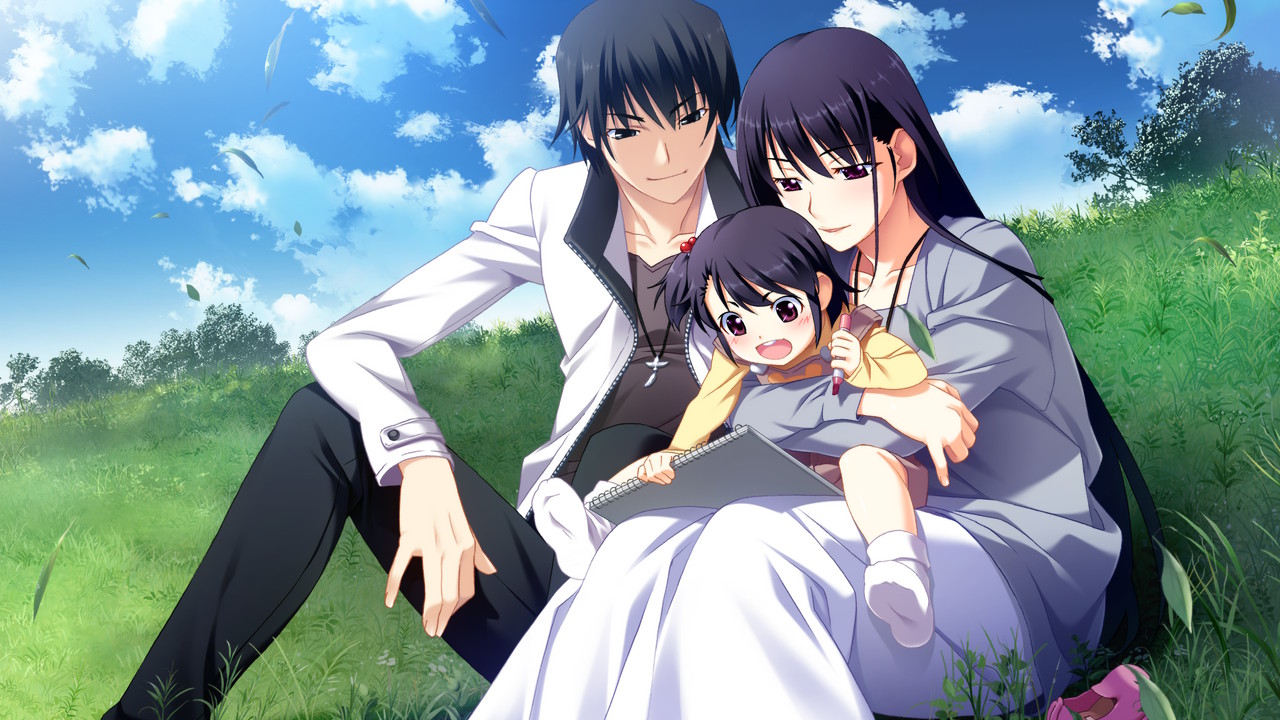
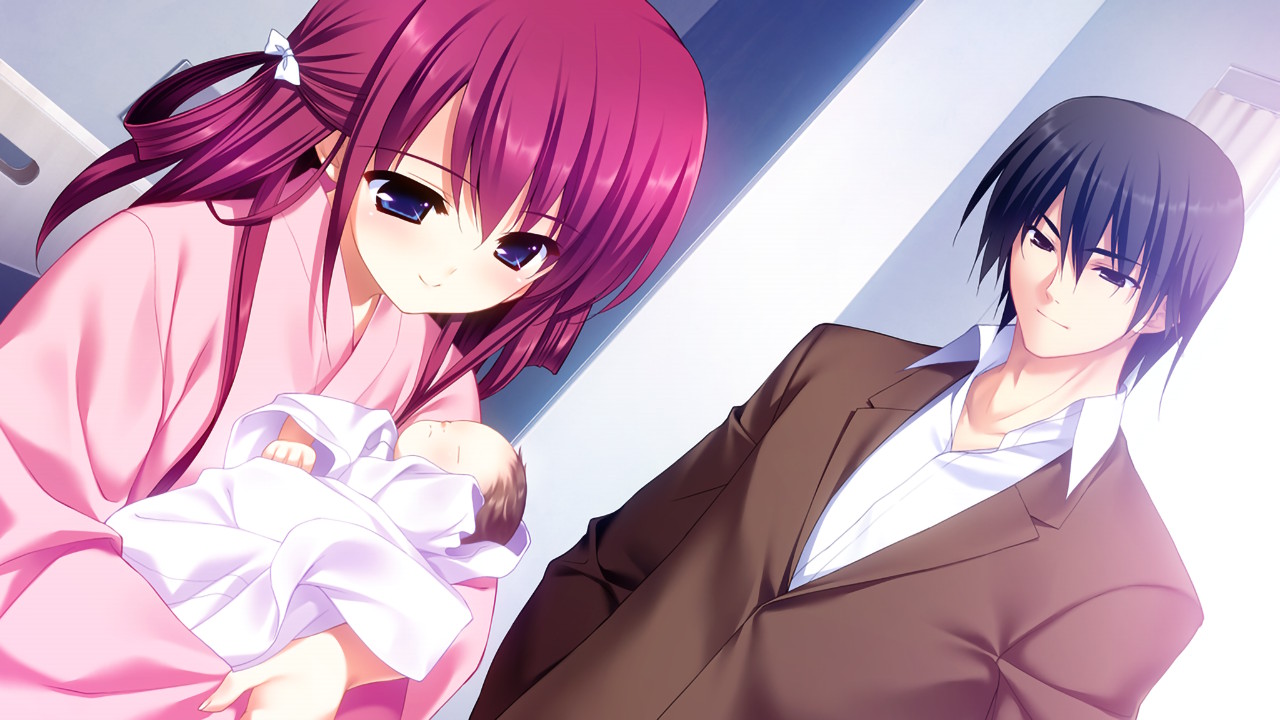
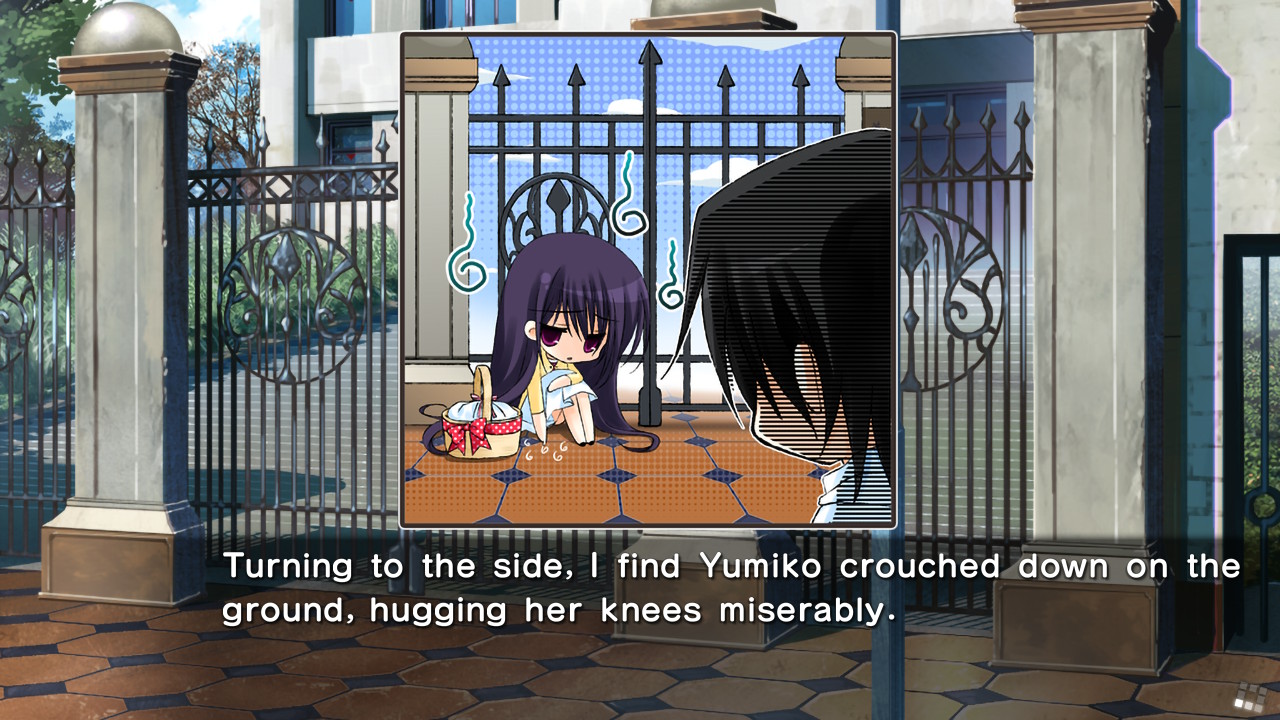
Finally, Yumiko's route is not great from any real standpoint. It's really a classic tale of a young couple eloping, though it starts out more as a bodyguard situation to defend Yumiko from increasingly rough goons hired by her own father to rough her up to get her in line (somehow). As things come to a head and Yumiko gives herself up to go back to a soulless life as a successor to the railway business, Yuuji decides to snatch her away and the two live as fugitives for a while; somehow, they're not caught and nobody gets suspicious for a while until Yumiko's helplessness has her surrender to her father again. This triggers a final showdown, where Yuuji and his network of contacts (including the other girls at Mihama, and several members of the railway corporation's board) all collude to strip her father of his position, bringing down his empire and rendering his plans for Yumiko moot. The plot is every bit as stupid as it sounds, but the time spent developing their relationship is my favorite among all the routes; although Yumiko's completely incompetence with basic household chores is primarily used to emphasize how helpless she is, I liked how the route focused quite heavily on little things like that to develop their relationship. It helped to really sell the idea that they were trying to build a proper life together, and their final visit to the amusement park together before the final confrontation really just cemented that. Funnily enough, this is also the only route that doesn't have a definitively "Bad" end, only a "True" and "Normal" one. No matter what, Yuuji and Yumiko stick together and have a child to start their family, with the biggest differences in the True ending being that they become rich & successful and begin to reconcile with Yumiko's father, who is having trouble moving on after losing his purpose for living. Ultimately, despite the mediocre quality of the conflict, I absolutely love the dynamic between Yuuji & Yumiko here.
My overall ranking of the routes, from favorite to least favorite: Amane >> Sachi > Yumiko > Michiru > Makina. This is very heavily affected by my personal biases; Yumiko's route is pretty terrible but I love Yumiko herself, while Makina's route is very solid but bogged down by hours of Makina's annoying antics. Sachi & Michiru both have solid routes and are decent characters - I ended up giving Sachi an edge because of her personal history with Yuuji, and because it nailed a bittersweet, yet heartwarming tone in its ending. Amane's route is really far and away my favorite because of the extended flashback, and she's a fun character besides.
Overall, I'd say FoG lives up to its reputation - I can see why it's been constantly recommended for pretty much the entire time that I've been interested in VNs. (Take that with a grain of salt though; VNs do not come and go in popularity like other games, and are probably closer to proper novels or comics in that regard.) While I didn't expect how disjointed the different routes would feel, and am still not the biggest fan of the massive break between common & character routes, I still think the characters are memorable and I'm quite interested to see how their individual stories pan out (in their epilogues) and where their merged, "canon" Grand Route takes them in the sequels.
The Labyrinth of Grisaia feels a little less like a dedicated sequel (or prequel) and more like a fandisc accompanying the first game to expand on the stories told in Fruit. It's comprised exclusively of a number of smaller sections: the most major is a Prologue detailing Yuuji's past, particularly his unfortunate childhood, up through his extensive life with Asako (his "master") and gives greater context for his interest in a so-called "normal" life at school. There are a couple of disconnected side episodes and moderately-sized afterstories for each of the 5 heroines, taking place after their respective routes in Fruit. I also decided to play through the Mihama Prologue, a short story detailing how all of the 5 girls began their lives at Mihama, told primarily from Yumiko's perspective. I think it's technically bundled with Eden, but it fit quite well while playing through Labyrinth so I decided to play it now.
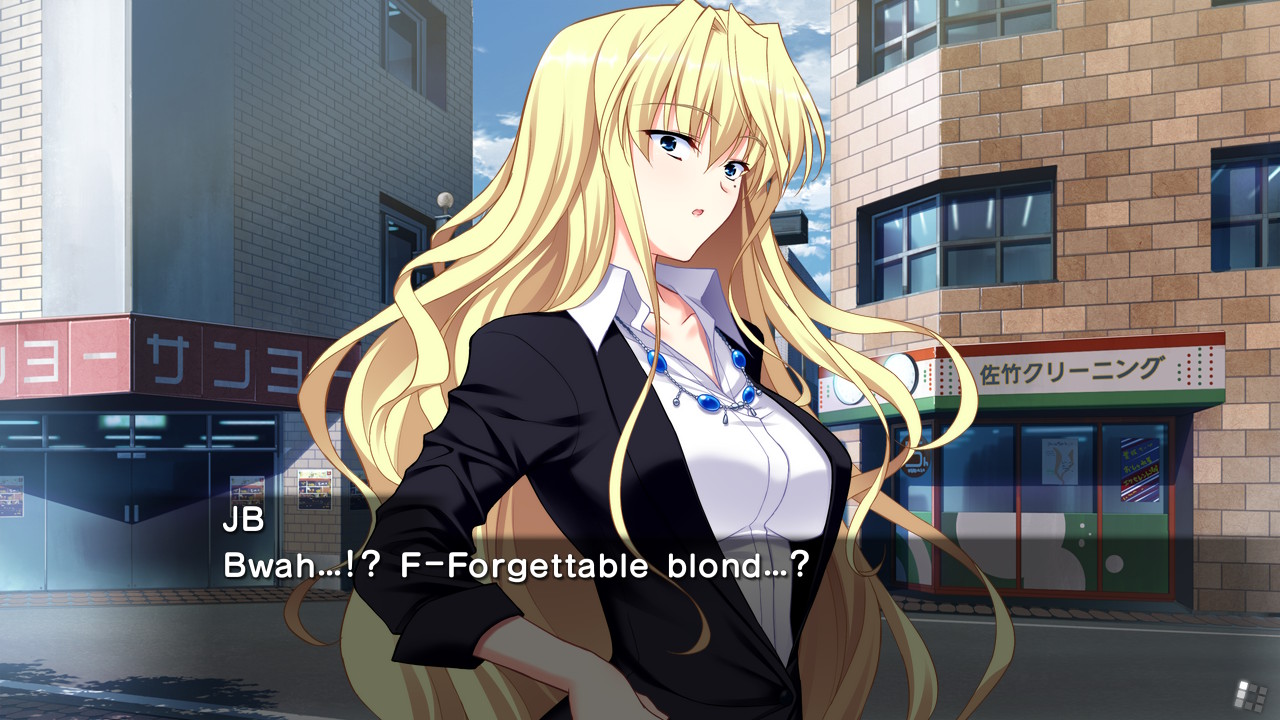
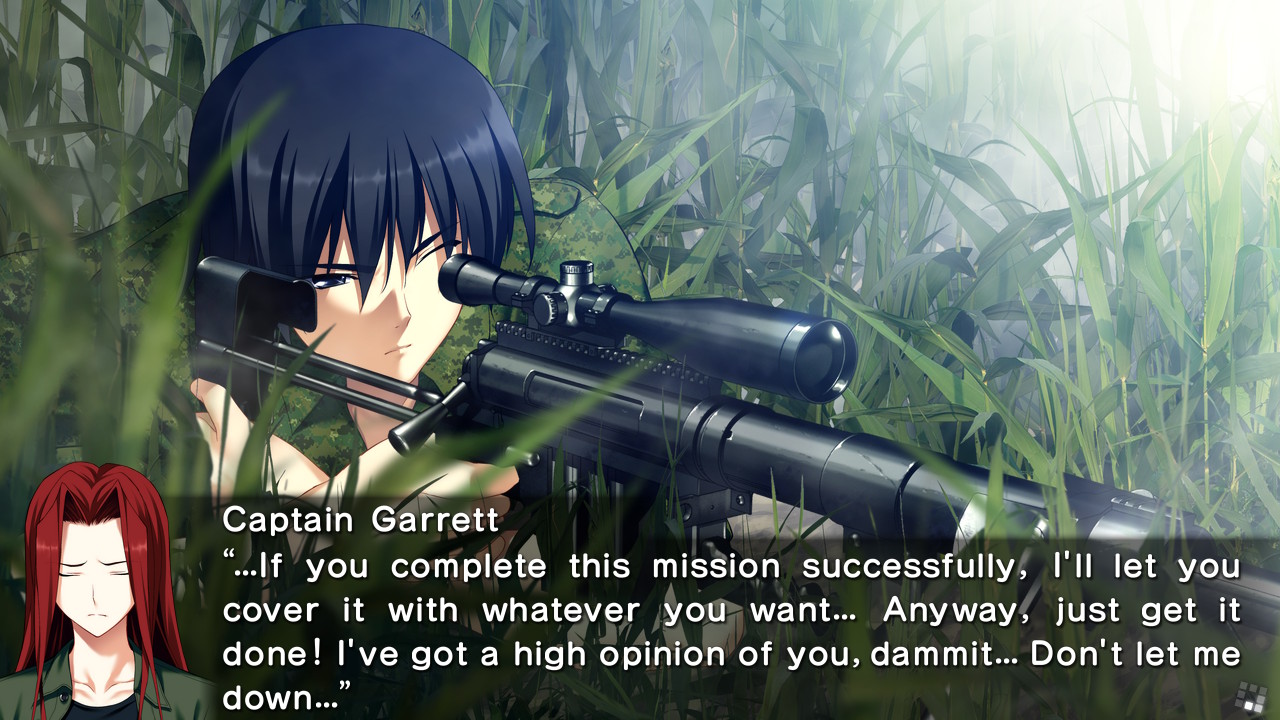
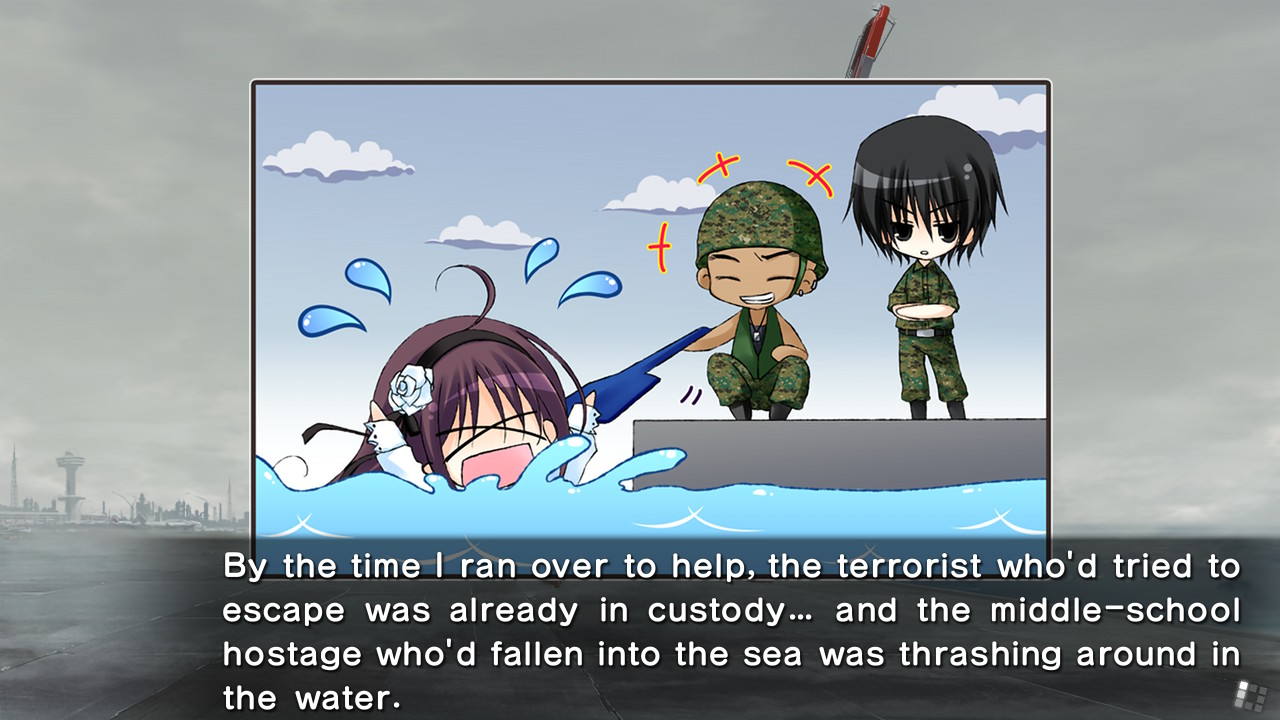
Yuuji's prologue is by far the longest individual section (maybe ~15 hours or so?) and is definitely the best. Given that it goes into all the details of Yuuji's tragic past that the stories in Fruit only lightly implied, there was a much lighter focus on comedy and slapstick humor in favor of a grittier narrative, though thankfully not quite to the level of actual trauma porn. The in-universe backstory is that Yuuji is narrating his life story to JB for some kind of report, so each chapter of his life is told in a fairly cursory manner, only highlighting a few significant events at each stop. It's quite hard to believe that the entire episode was probably only ~15 hours long, as he goes from being an unwanted child to an escapee of domestic violence, victim of in-universe Epstein who is then recruited to a child terrorist training camp. He then goes on to commit various acts of terrorism, before he is caught and taken away to Japan to be raised in a secluded hut in the middle of a forest. This somehow leads him to continue pursuing sniping and assassination, so he's sent to an American boot camp is even sent into an active warzone. He's eventually sent back to Japan where he begins his career as a secret agent, including handling a particular case where he snipes a would-be terrorist to save a child hostage, who turns out to be Chizuru (not a child) and gives him an in when he wants to experience a "normal life", leading to the events of the first game. It's a wonder that such a rich history could be compressed so much in a visual novel format, and equally unbelievable that all of these things could even happen within the timeframe the game implies them to be in.
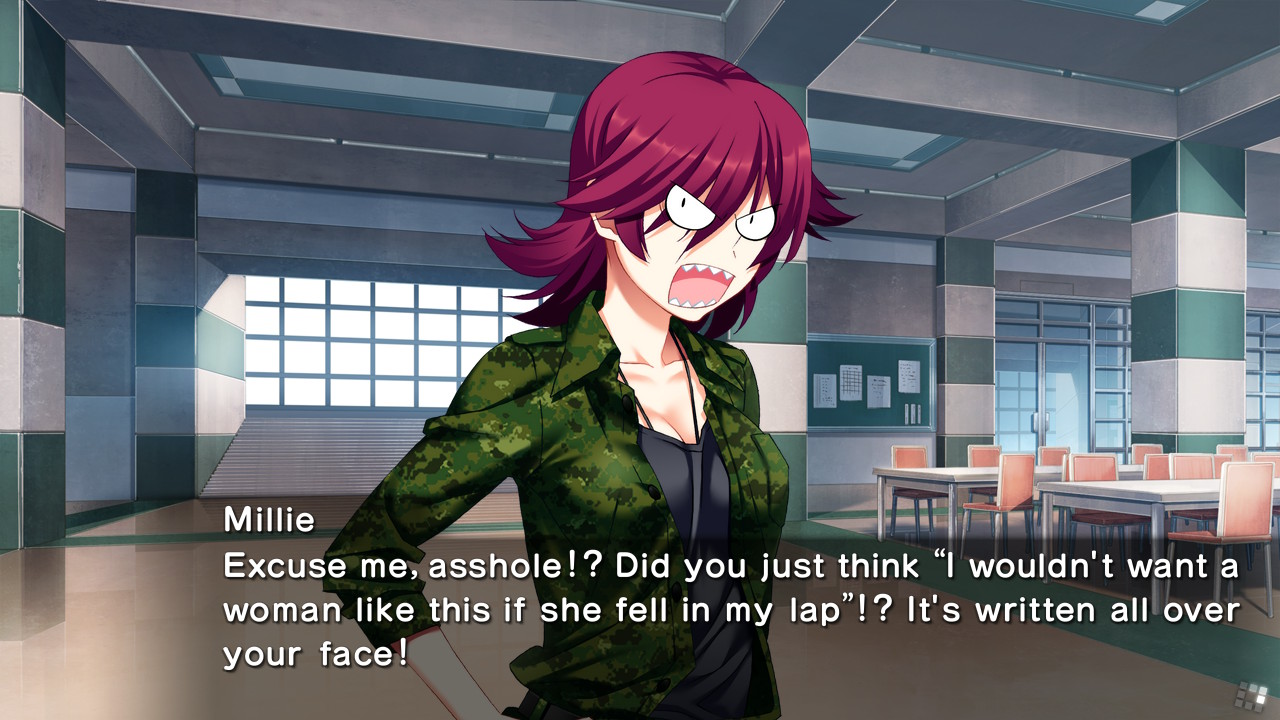
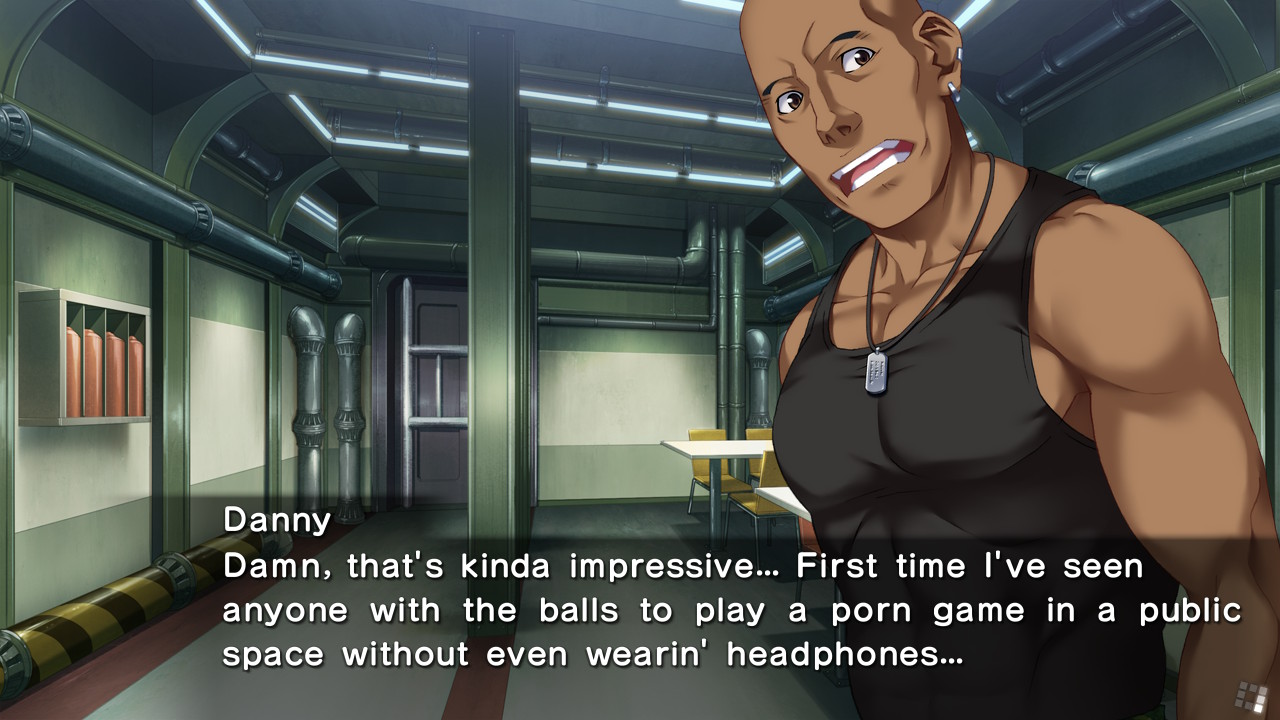
But beyond a crude summary of what actually happens in the prologue, I feel like it did a great job fleshing out a number of the relationships that were left very vague in the original game, particularly with JB and Asako. While Fruit does make it fairly clear how close their relationship is, mostly given how much shit Yuuji is able to give JB without any real pushback, you get a much more detailed look into the way the two women essentially act as his only parental figures for some of the most formative years of his life. Several of the new characters help flesh out his overall attitude towards other people as well, in the way he warms up to Daniel, Millie, the other nerdy guy (Robert), and others that show he wasn't always suffering nor always being a dry stuck-up character, but had all kinds of people around him from different circumstances. It's definitely more than a little bit icky how his implied relationships with all the women pan out though, given that he's not an adult at any point of the story; maybe that's an artifact of when this was written, or maybe it has more to do with the expected audience (high schoolers) that just reads very differently to someone a bit older. I don't think I'd really even want to see some of these R18 scenes if they exist.
Completing Yuuji's prologue also unlocks a couple of side episodes related to those earlier times in his life. These are essentially short sketches, maybe an hour or so each, that expand lightly on some events that were casually mentioned during the prologue itself; maybe they were originally considered to be included directly and later scrapped for pacing reasons, or simply because they present too large of a tangent in what is otherwise a very focused story. In the first, one of Yuuji's jobs as an international agent is to act as a bodyguard for a young child of a defecting cartel member with sensitive information. She starts out being cold and dismissive, but slowly warms up to him over time; near the end of his assignment, she ends up getting kidnapped after running off in a huff about something - Yuuji saves her, prompting a marriage proposal like a princess to a knight. The other takes place back in Japan, in one of the earlier cases where Yuuji actually went on a job with Asako, infiltrating a certain location to sus out a particular target. There's nothing particularly special about it beyond Yuuji & Asako spending some more time together, but it does help to reinforce the rest of their relationship seen throughout the prologue.
Labyrinth also contains a collection of afterstories for each of the main heroines in Fruit, taking place at some undefined time after their specific character route. Each of these takes place in its own route's universe so they're not technically canon to the overall plot, but help to basically solidify some of the post-ending details to give Yuuji and the girls some non-crisis event time to simulate parts of a normal relationship. They're actually quite extensive on average, probably somewhere between 3-5 hours each, and in my opinion the quality varies wildly. Up front, I'd say my rankings are: Yumiko > Amane = Sachi >> Makina >>>> Michiru. The characters themselves and the content of each episode aren't too worthy of in-depth analysis, so I'll try to simply summarize my thoughts on each in the order I played them (roughly by least to most-liked character).
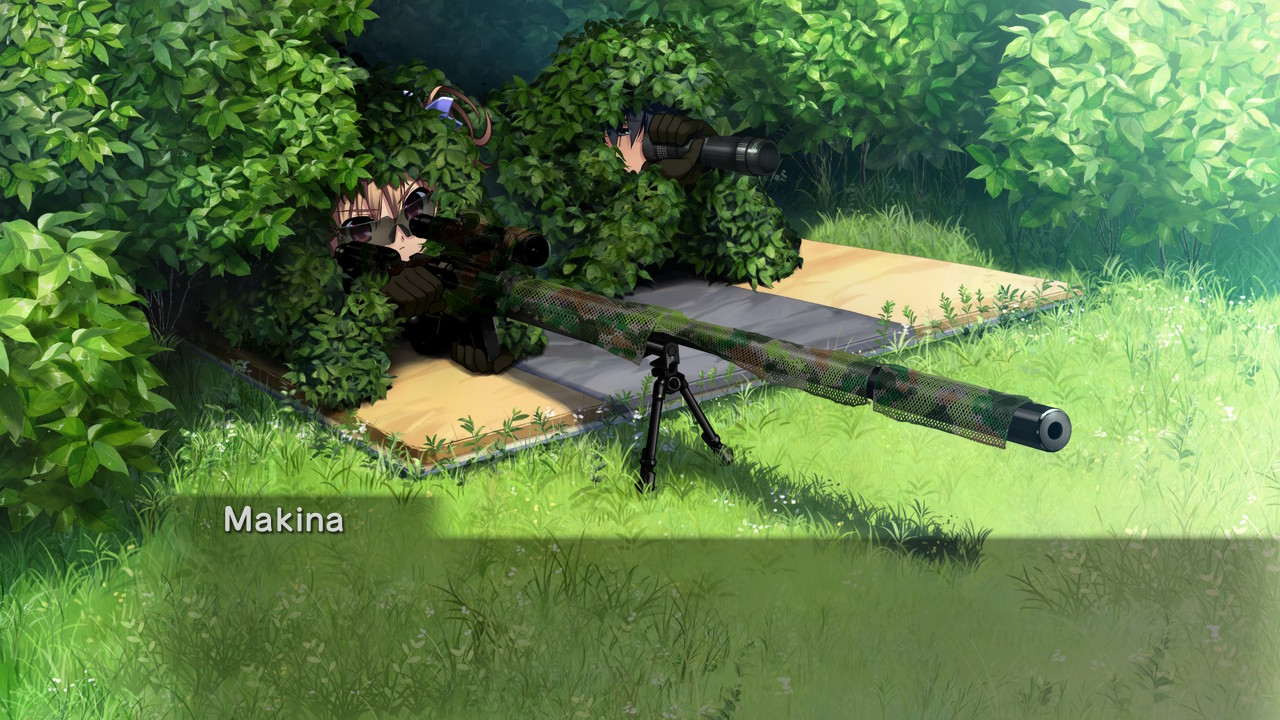
Firstly, Makina's route wasn't great - mostly because I don't like her character at all, but also because I thought her route was kind of dumb. Even given how farfetched almost all of the "military" details are in this series, I can't take the idea of Makina being a sniper seriously given that almost any rifle would shatter her shoulder. The saving grace of this one basically came down to the fact that Makina went off to military training while Yuuji got to reunite with the other characters, so she's actually not in the route for the most part.
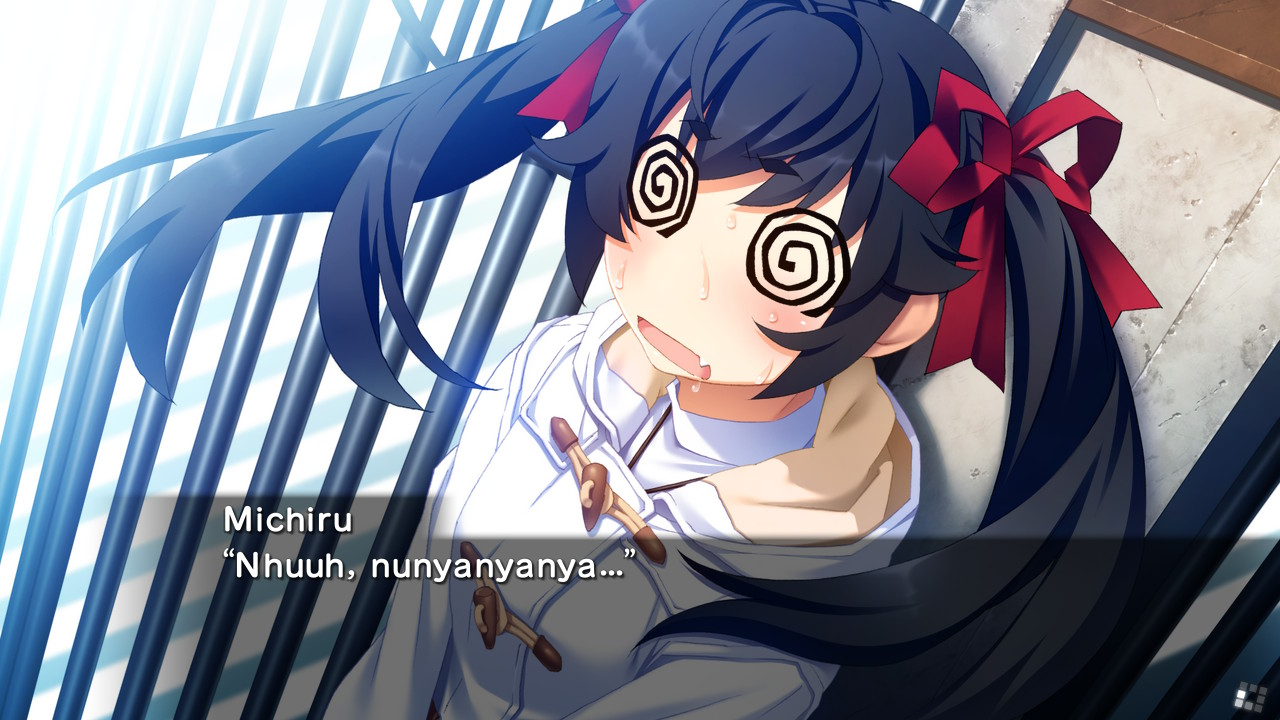
The second route I played was Michiru's route, which ended up being absolutely insufferable and almost made me want to give up and just skip to the others. Even though it's only a few hours long, so much of it just comes down to Michiru's incomprehensible, noisy screaming about the most trivial things that I ended up compromising by just skipping her long voice lines (instead of quitting altogether). The entire context is that she wants to experience winter in the middle of summer because she thinks winter clothing looks better on her. Also she dyes her hair black. The (first half of the) ending scene is pretty sweet, but that's one speck of golden sand in a sea of shit and I never want to think about this again. The most insulting thing in my opinion is that Michiru's "other self" only comes around for a few minutes in the entire story - I thought the route would try to detail how Yuuji can maintain his relationships with someone who is basically two completely different personalities, but I guess I'm wrong.
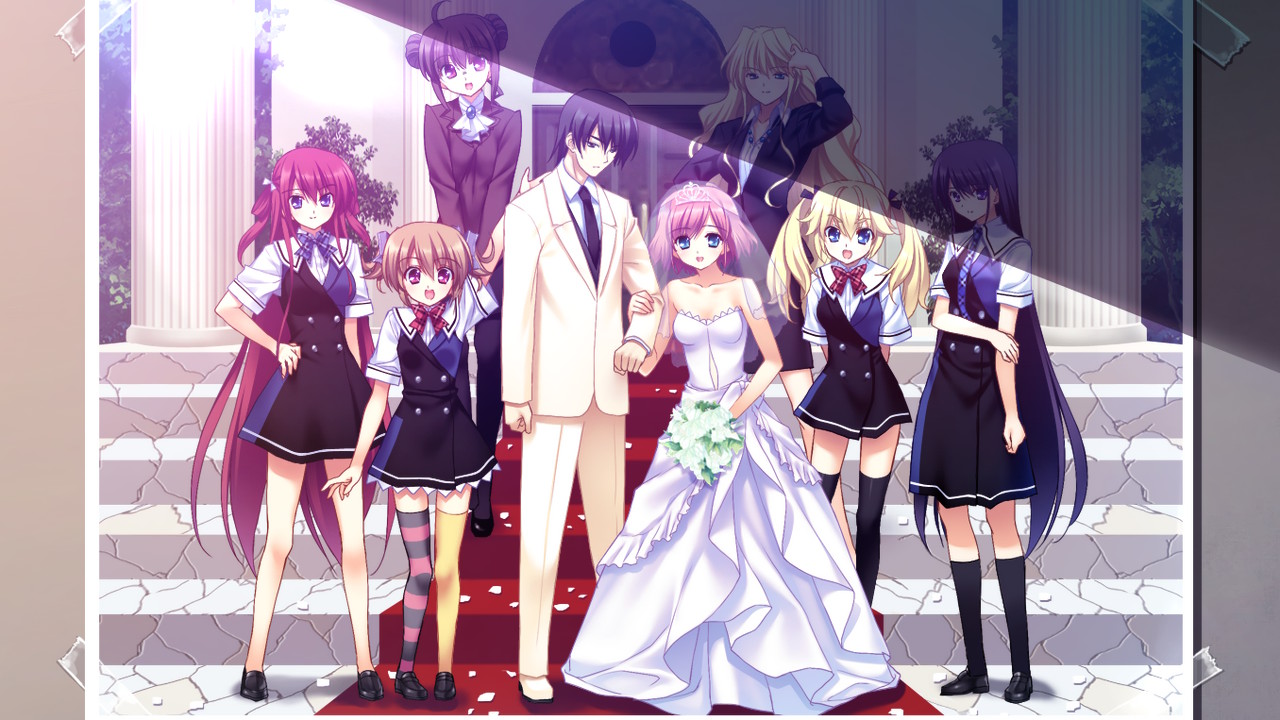
Sachi's route was pretty fun as far as a story goes, but completely unhinged. That's not really meant in a bad way, adding a bomb defusal subplot to a wedding scene certainly spices things up quite a bit. It was kind of interesting to see how Sachi's personality changed somewhat after the events of her main route, but not by that much given her continued obsession in really weird and insane behaviors. Also, as a minor knock on this route, I don't really remember exactly how the bomb defusal plot happened (I think it was due to some kind of weird challenge or w/e when they opened their wedding to the public) but it was extremely contrived which made the entire thing feel kind of silly. That said, the very ending with the pictures & their kid was very sweet.
Amane's route was quite vanilla, all things considered. As far as I know, it seemed like some of it leaned more into the R18 aspect with various sex scenes, but outside of the elevated horniness of the events pretty much everything felt very vanilla. Going on dates (with the rest of the girls spying on them), visiting her father and getting in a fistfight with him, eventually skipping to the point where they start a family. It's not novel, but it's nice, especially given that the majority of her route in the original game was purely a flashback leaving comparatively little time to develop their actual relationship.
Finally, Yumiko's route is also quite vanilla and probably the least eventful of the bunch. Her original route already felt like the lowest-stakes route of them all and this continues it, mostly focusing on her struggle with some basic life skills. Frustrated with her helplessness during their time together as runaways, she enlists the help of the other girls to help teach her vital skills. Amane helps her learn to cook, Sachi has her learn to clean, Michiru teaches her to be a Tsundere or something idk, Makina does some weird military LARPing which doesn't turn out quite as expected. Most of it is pretty silly, but she goes on a nice date with Yuuji at the end which was pretty sweet. The last two (Amane & Yumiko) were by far the most "generic" afterstories, but I still ended up liking them the most - dunno if that says more about me or the game.
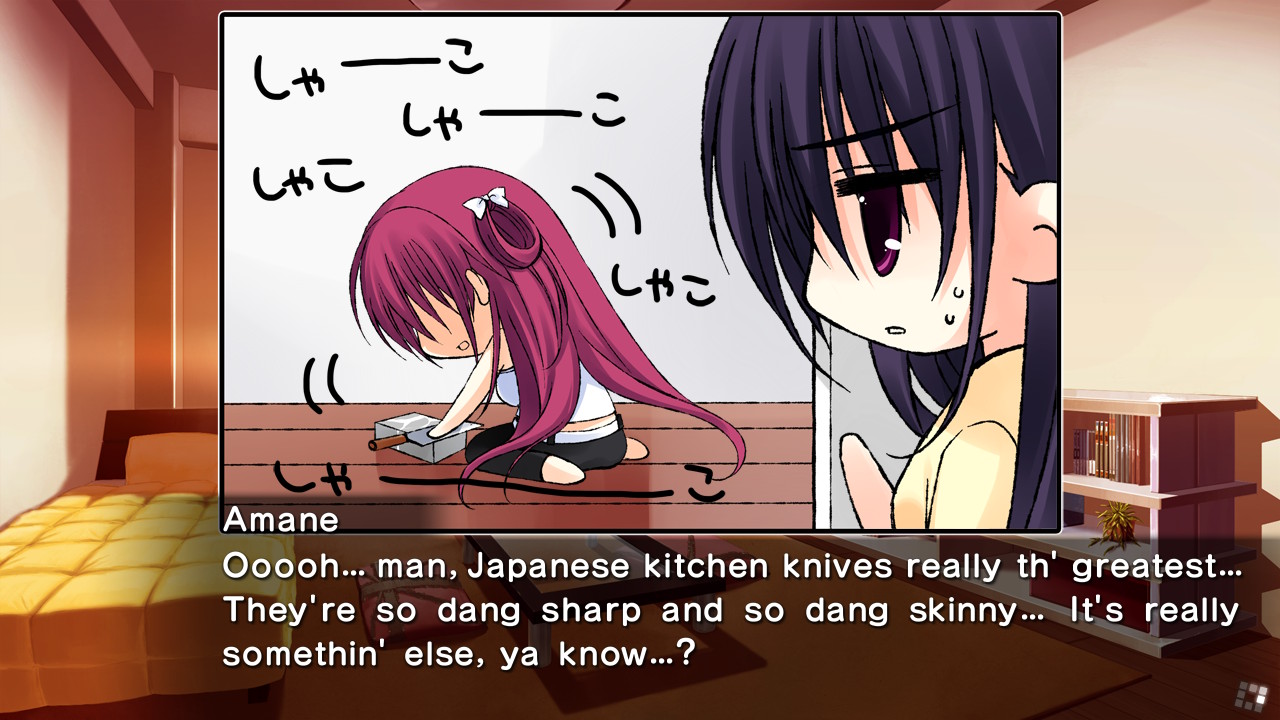
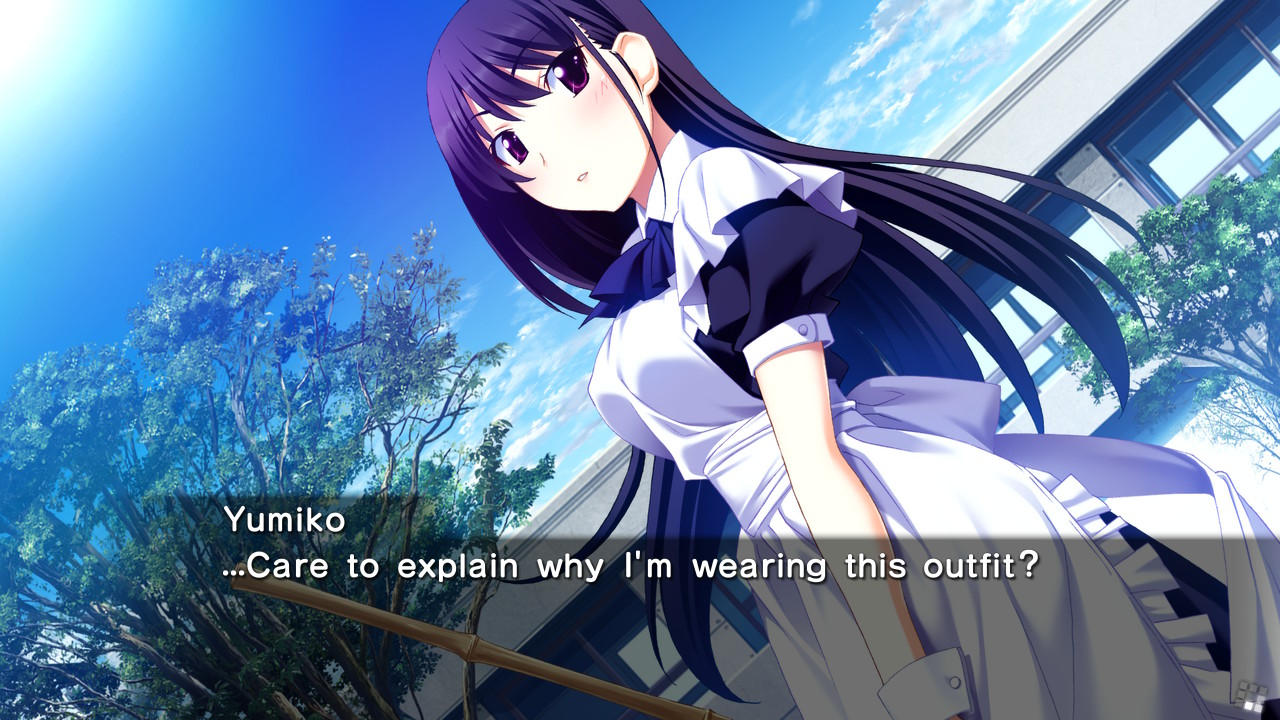
As far as I know, the Mihama Prologue is actually part of the Eden release so it's technically not part of this. However, it's unlocked right after finishing Fruit in the trilogy collection, and it almost works better playing it at this point in the series; I actually played it before Yuuji's prologue and the afterstories. Most of it takes place from the perspective of Yumiko, the first attendee of the school. Starting from the point where she is the first and only student, the story gradually introduces each of the new characters as they enroll, and the changing social dynamic that begins to develop at the dorm and in the classroom. It's pretty interesting to see Yumiko's self-reflection as her extreme isolation gives way to a pretty lively atmosphere; it doesn't have a nostalgic or sad tone for the most part but she has some conflicting feelings about her peaceful existence slowly being stripped away for a new sense of "normality". Beyond that, there's also some pretty outrageous and funny moments as to be expected from the other eccentric personalities that show up. Amane is mistaken for a murderer at some point because of her obsession with knives, Makina arrives in a giant container truck which is also pretty much empty, and so on. Ultimately, there isn't anything particularly new here, but it is a direct and new perspective on the events that were only alluded to in Fruit.
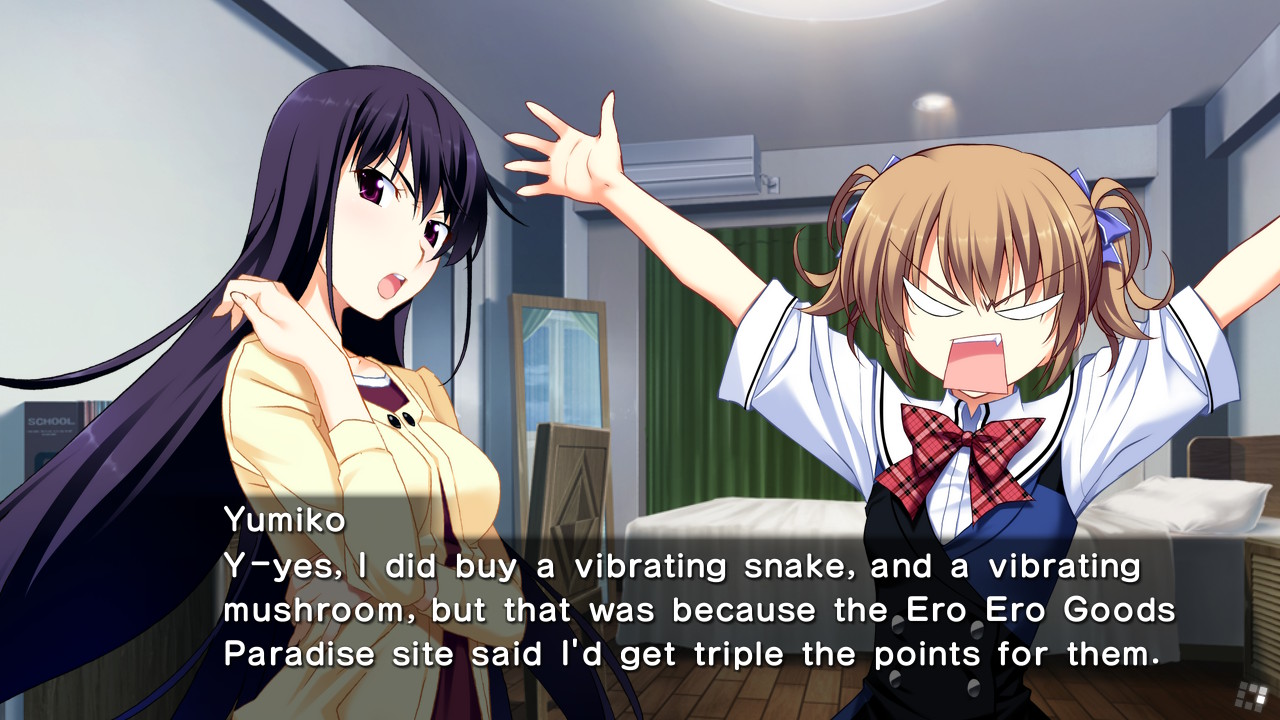
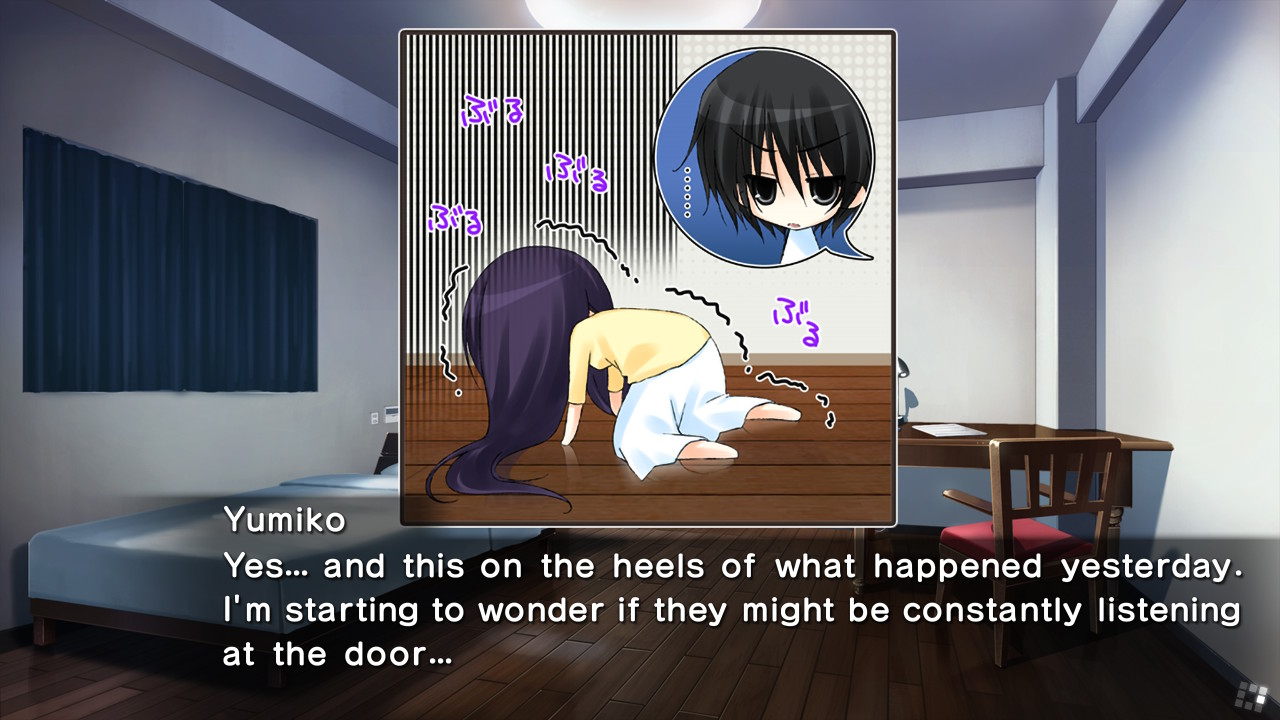
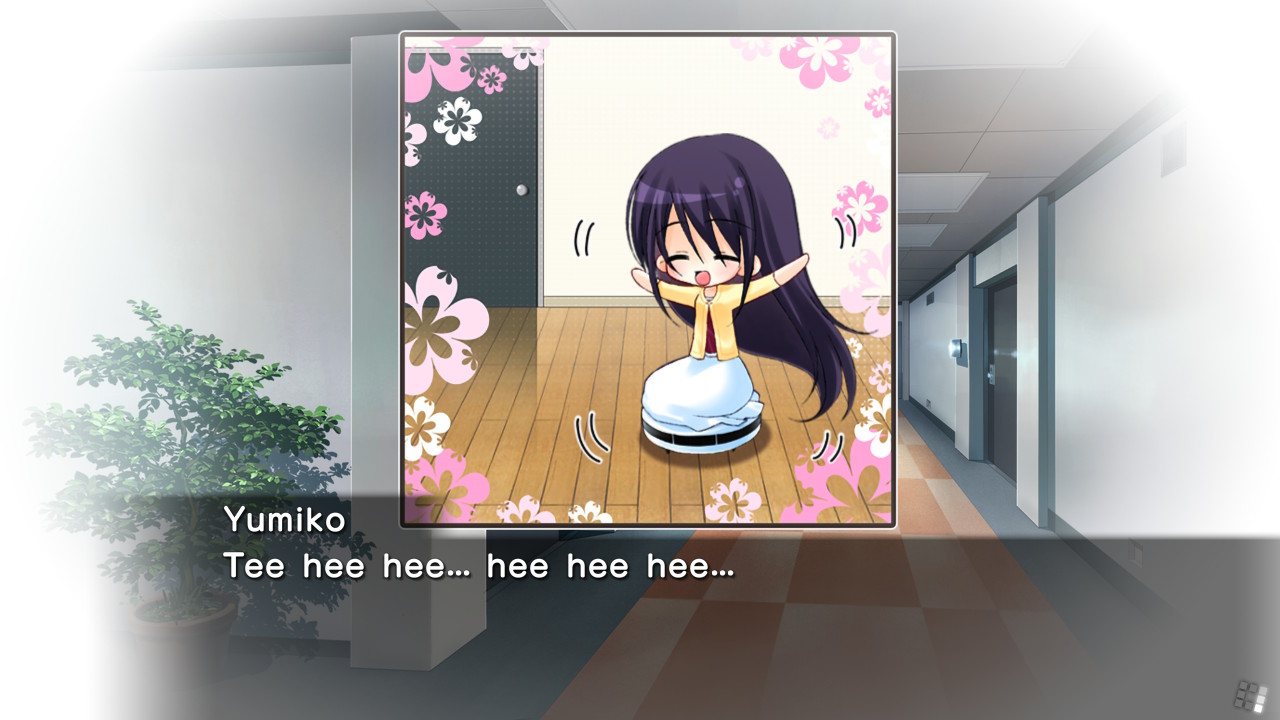
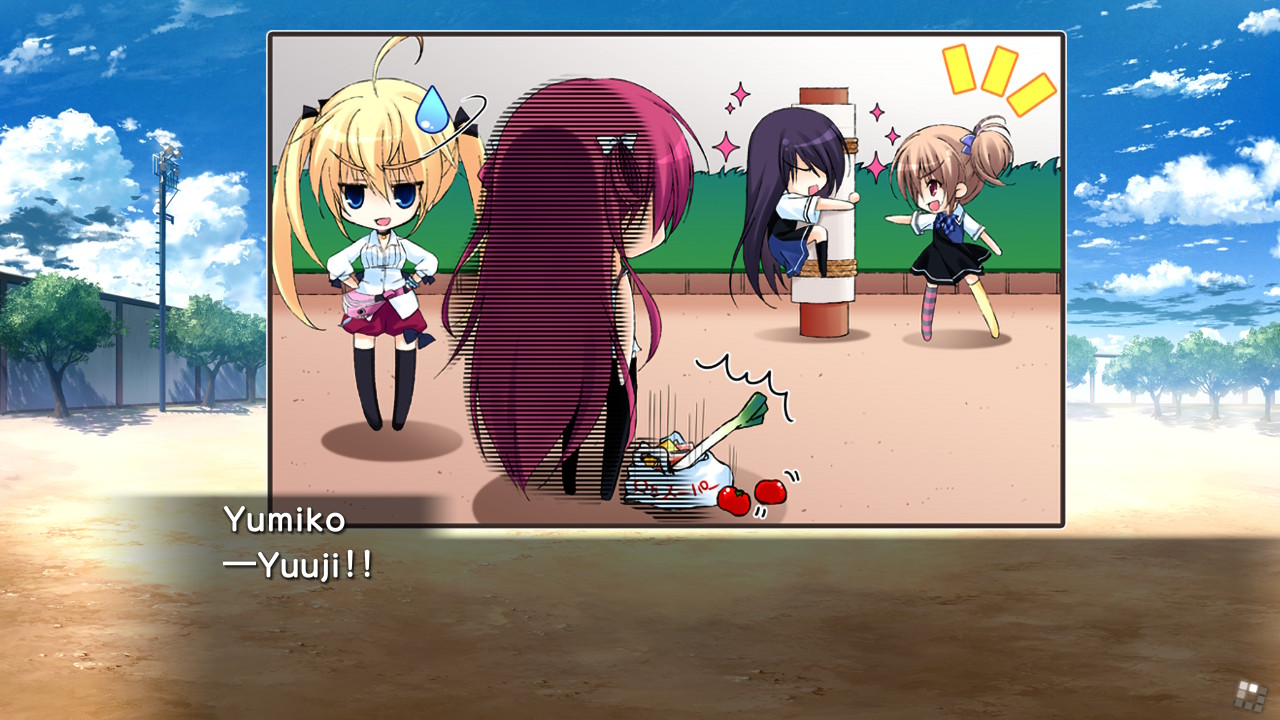
Lastly, there's a bunch of random short scenes. These ones are truly short, about the scale of a single scene in any of the routes and typically taking 5-10 minutes at most without skipping any dialogue. There isn't too much to say about any of these; basically all of them are comedic in nature, and almost none of them are relevant to anything and even kind of flanderize the characters a bit for laughs (ex. Yumiko's porn hobby). I found them pretty amusing as a whole and largely non-sequitur; maybe these are even meant to take place after the entire series is over? I can't say for sure at this point since I haven't finished Eden.
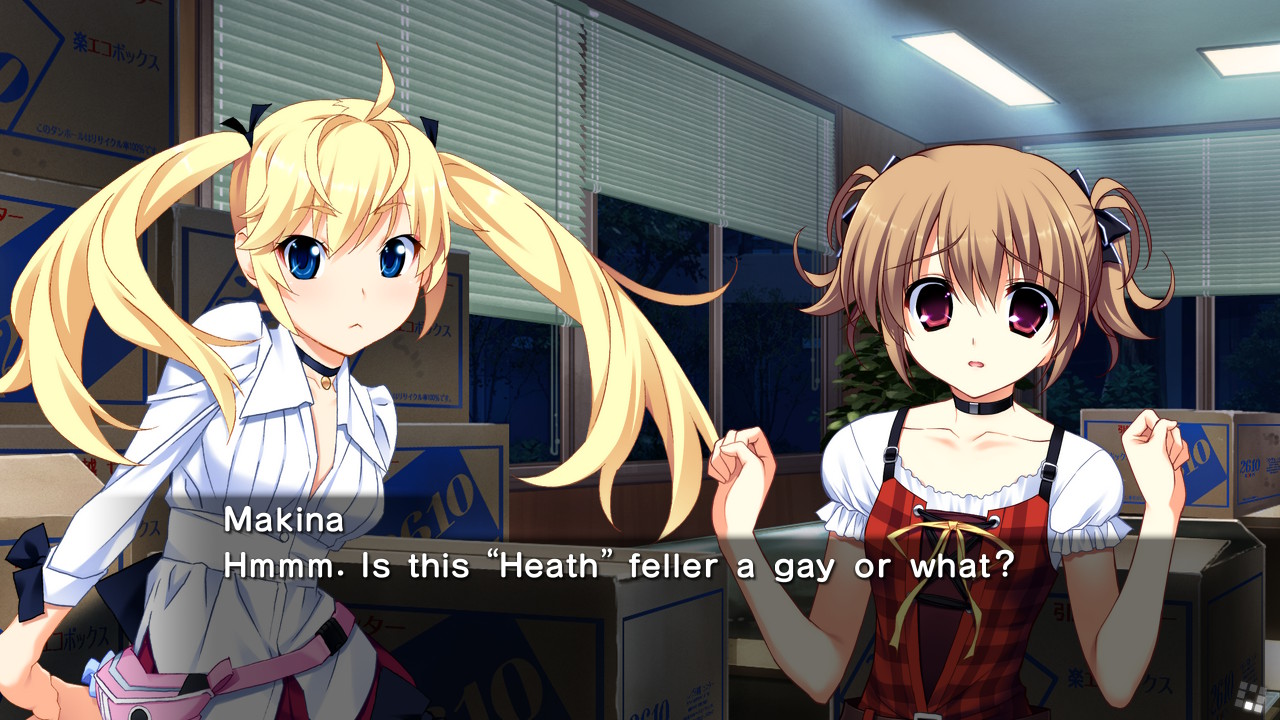
Overall, pretty much everything outside of Yuuji's Prologue is basically just standard fandisc fare. There's a ton of different events and they all fit into the story's various moods quite well with plenty of slapstick comedy, action, bittersweetness and the like, but little of it jumped out to me as being particularly noteworthy, just added depth to a world I've come to enjoy. I'm a bit sad to learn of Daniel Bone's death and I kind of wonder where the rest of the people from Yuuji's military days have gone, but at least one of them - Heath Oslo, some blond pedophile and the main villain of Eden (probably) - was set up throughout the story and the very end of Yuuji's story teased his return to Japan to piss off the authorities once more.
The final entry in the Grisaia trilogy basically serves to tie up all of the loose threads from Yuuji's past, bringing a degree of closure to the characters left behind in his prologue that were dormant during the Fruit arc. The branching paths from the Fruit routes and their afterstories were merged into a single common route in Labyrinth assuming all of the girls' individual conflicts are resolved without any definitive romance, and that timeline is carried over into Eden as the "canon" timeline. The basic premise of Eden's central conflict was set up at the very end of Yuuji's "prologue", where Heath Oslo returns to Japan for some reason and causes a ruckus.
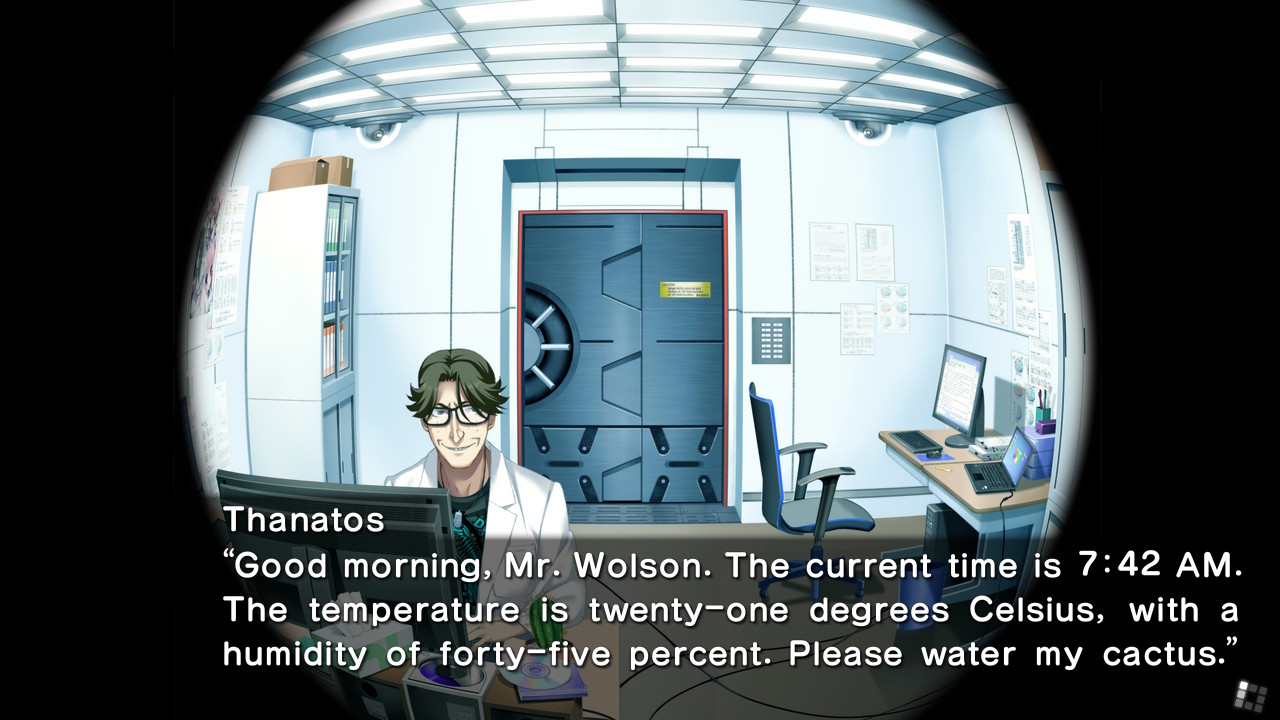
Despite the runtime of this episode being quite short, being similar to the length of Fruit's common route alone, I'd still say a majority of the story is just fluff. Yuuji is captured and imprisoned in the beginning of the story; someone who looks like him shot up the Kazakh Embassy for seemingly no reason, but in reality he is being held hostage by Ichigaya as a bargaining chip with Oslo. Apparently, Yuuji was the only successful subject in some super-soldier experiment and is of great value to Oslo. He represents one key objective of the terrorists, with the other being the control of the Thanatos System, an unsanctioned, secret global network developed in Japan who turns out to be a "resurrection" of Kazuki, who did not actually die in the forest as originally thought, but was eventually rescued at the brink of death and used as a candidate for the biological "core" of this system, given that she was already legally considered missing or deceased.
Given that Mihama Academy is shutting down after both Makina's and Yumiko's families pulled funding following their personal crises, the girls decide to leave and continue plotting other methods to rescue Yuuji, preventing him from being captured and permanently taken away from them. With help from a rogue element within one of Thanatos's cores, likely driven by Kazuki's original desires, the team of girls devises a plan to rescue Yuuji from both Ichigaya and Oslo's terrorists and spirit him away to their own safekeeping, involving some wildly impractical and rather comical actions. Makina does some precision sniping, Amane does some road racing, Sachi shows her competence in the middle of an active warzone while Yumiko watches everything from above. It's hard to take it as seriously as the story tries to make it, but it's pretty standard action movie fare except all the protagonists are high school girls in love with the same guy. While all of this is happening, Thanatos stages her own escape from the Ichigaya facility with a help of some of Yuuji's other acquaintances - JB, Robert Wolson, Millie and Zoe (Robert's wife who has some beef with Yuuji).
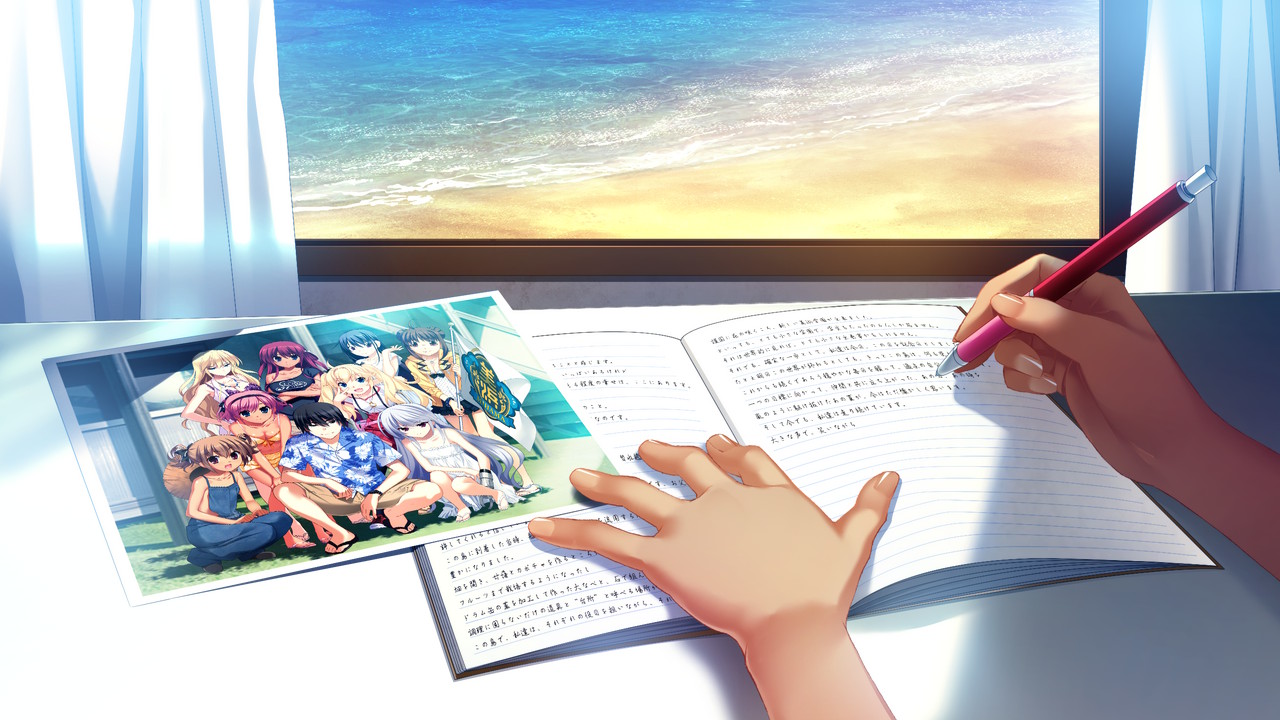
In the climax, Yuuji heads off towards Oslo to settle the score and to disarm his nuclear bracelet, which can only be disarmed by Oslo's key. Meanwhile, a number of agents (including JB) head back to disarm the other nuclear weapons planted by the organization, while the girls cut the final cables powering the remnants of the Thanatos System to disable it, prevent its capture by Oslo. With all of his plans foiled, Oslo basically waits for Yuuji to massacre his men & Yuuji's clone who actually conducted the Embassy attack, before he is killed himself after some pretty pathetic resistance. After learning that Heath Oslo is not just a single man, but rather an entire organization who purports to maintain world order through perpetual war, Yuuji either continues as Oslo's next figurehead or rejects and destroys the organization, which is a pretty black-and-white Bad/True ending decision. Canonically, he eventually makes it out to live peacefully with the others on a tropical island Asako bought before her death.
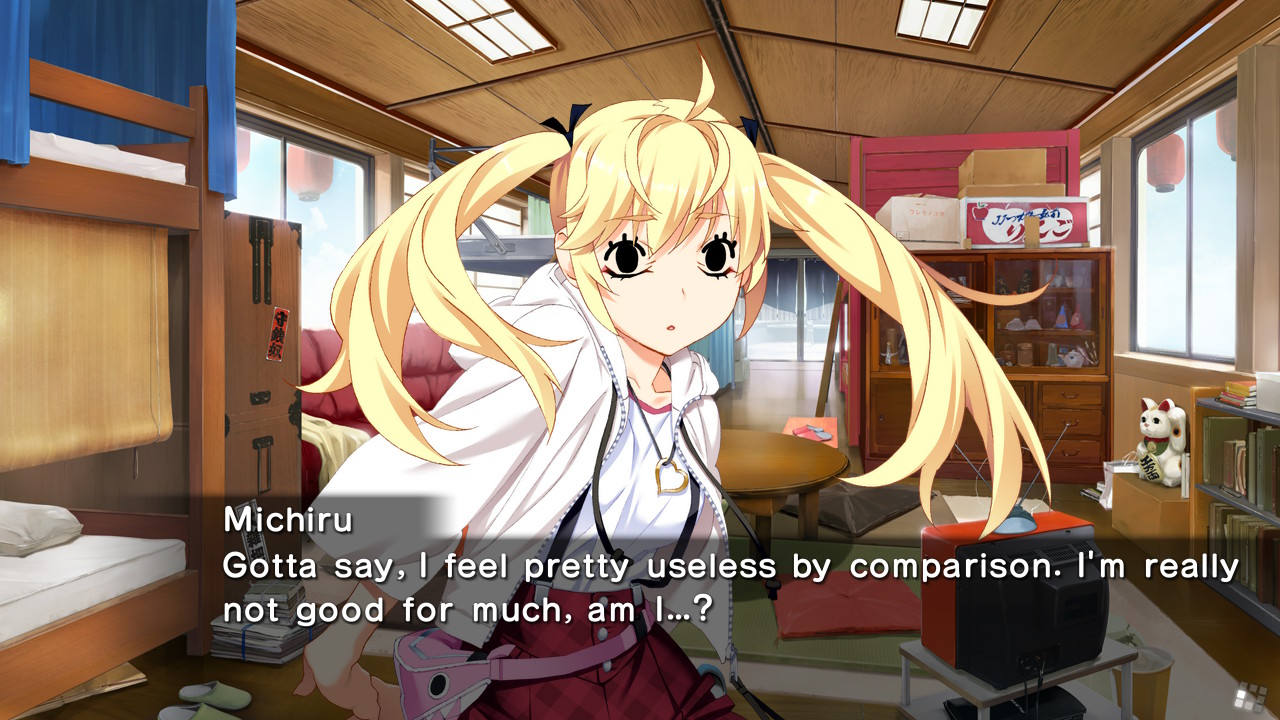
There isn't too much to say about the main characters in Eden that hasn't already been said in the previous parts of the trilogy; there aren't any major shifts in personality or fundamental character motivations. The revival of Kazuki/Thanatos was already heavily lampshaded in Labyrinth through the numerous references to the "Professor" in the basement, and as expected a lot of the plot is centralized around her role both as the "commander" of the girls and as one of the key objectives in Oslo's plans. The other girls stick largely to their roles, though Yumiko ends up assuming a leading/coordinating role showing how far she's come, while still somehow being as closed off as ever. I still think Makina and Michiru are both as insufferable as ever and honestly make the story worse for their involvement; listening to hours of Michiru's moronic drivel got old 2 games ago, and Makina is never sufficiently called out for the fact that she's basically a kindergartener that likes military LARP and can't ever shut up despite being little better than Michiru most of the time. Giving her a pink .50 cal AMR for precision sniping that somehow doesn't dislocate her shoulder after every shot is just the icing on the cake here.
I really appreciated the re-introduction of so many of the old side characters from Yuuji's other (mis)-adventures. It was nice to see how all of the characters from Yuuji's past never really forgot about him, and were all willing to step in to offer their assistance, no matter their role. Robert, Millie, Agnes, Captain Mikemeyer and the others all had some critical parts to play; I did think it was kind of funny to see the competition between Millie and Michiru to find out the bigger idiot. I'm a little bit disappointed we never really got complete closure to their stories, given some of them (like Millie) were probably disciplined pretty heavily after all the events were over. In particular, Zoe was apparently related to someone that Yuuji assassinated long ago, though her desire for vengeance is only brought up briefly, and seemingly forgotten about afterwards.
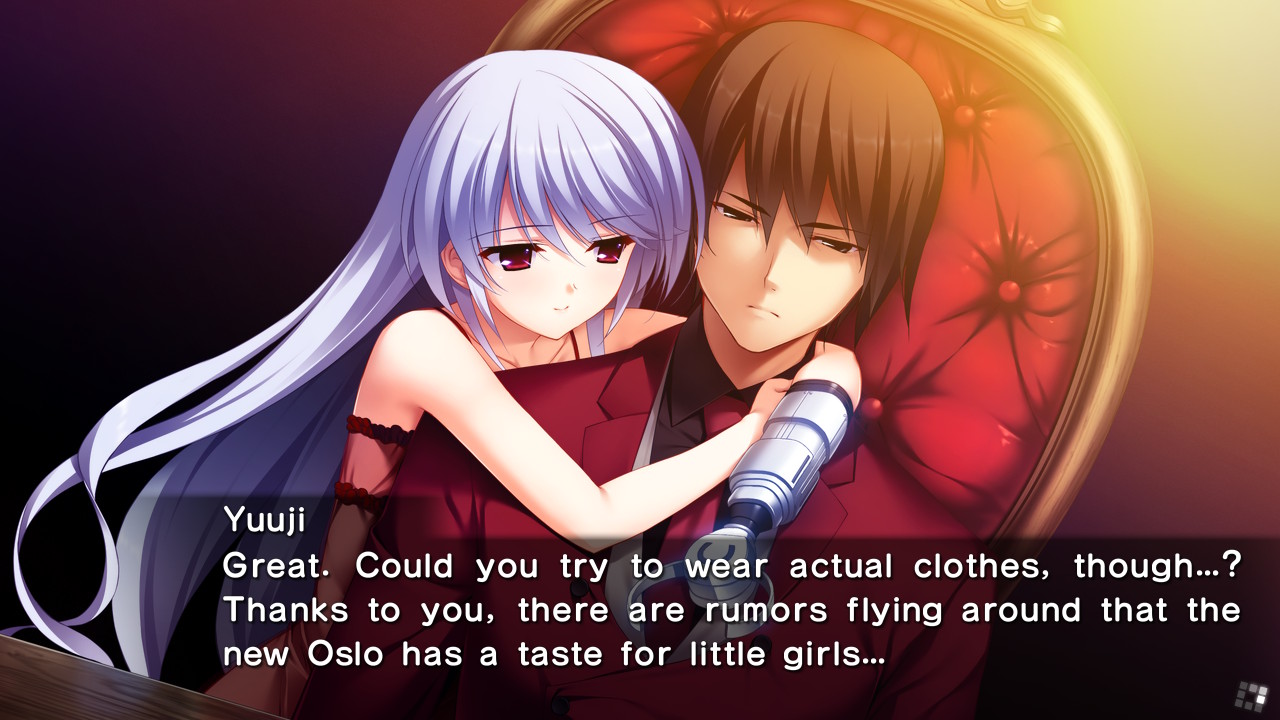
The antagonists don't really fare quite as well in the story in my opinion. Although they obviously set off the entire crisis, they're ultimately rather irrelevant in the story and are never given a chance to do anything really proactively. Pretty much all of Oslo's scenes are just set in his little cabin on the organization's command ship, where he takes phone calls and gets angry at people for being incompetent. His character feels kind of like Trump writing Trump; the way his scenes are written desperately want to portray him as a scheming mastermind, but he kind of comes off as a lame, impotent pedophile that never quite made it mentally out of the high-school chuunibyou phase. There's also Yuuji's clone (Typhon, I think?) who I expected to be a major figure as a near-perfect doppelganger of him, but he has like 5 lines as Oslo's little whipping boy before he goes off to fight Yuuji at the end and gets bodied in a knife fight in a pretty cringey fight sequence where he does a few anime screams. The complete lack of intelligent or even motivated enemies makes this feel more like a search-and-destroy mission than an active terrorist threat to be honest. Even the "real" Heath Oslo only decides to reveal himself after the figurehead is killed, and just serves as another little meatbag to punch if you reject his grand schemes.
This entire concluding arc to the story sits in a really weird place for me; I like how it finally takes the present story truly beyond the imprisoning walls of Mihama, yet I feel like the plot itself is simultaneously too much and not enough. On one hand, trying to tie Yuuji's personal demons to some grand nuclear threat on Japan's mainland is a bit silly, yet at the same time the near-complete irrelevance of those same antagonists as any kind of direct or active threat neuters any sense of suspense or urgency in the story. The timeline and events don't ramp up any kind of narrative pressure of the bomb threats, we never see any direct consequences of the capture of the Thanatos system (note that the temporary communication disruptions were already done by the original Thanatos system before Oslo captured it) and Oslo's master plan is to basically just wait for Yuuji to step through the front door. Everything just feels so passive, as if the only things moving in this world are the girls, Thanatos's and Yuuji's allies, and Yuuji himself. Pretty much all of the loose narrative threads left unresolved by the character endings and Yuuji's prologue are pretty much all tied up and we get to see Yuuji finally living peacefully with them all on a little island paradise (fittingly named "Grisaia Island", and finally contextualizing the name of the series), but I can't help but feel that the final steps of the path could have been a bit more interesting than they promised to be. This is probably the weakest part of the trilogy, but at least it properly wraps everything up.
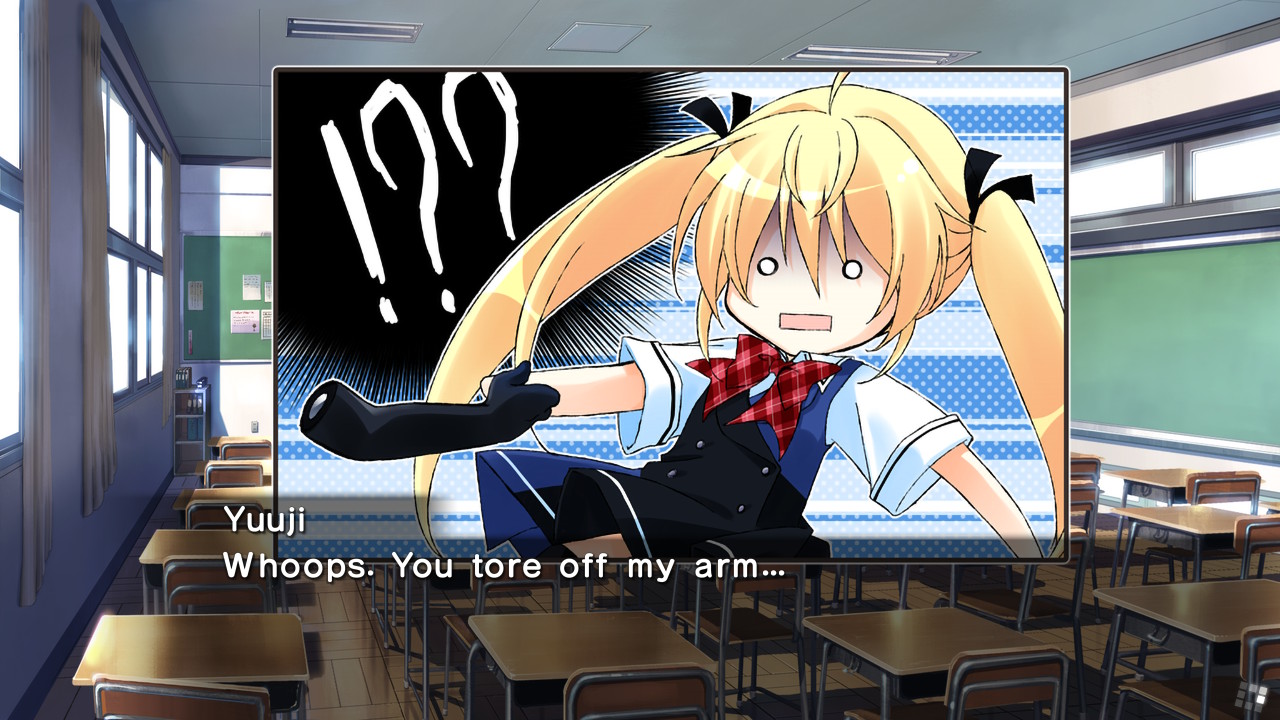
A final special mention to the last Eden Afterstory skit; I know it's not really meant to be serious and is questionably "canon" if it even matters, but revealing that Kazuki's mechanical arm replacement was just a toy throughout all of the events of Eden was hilarious to me. I got baited a bit since I sort of expected more than a 2-minute gag but it was still worth it regardless.