Atelier Ayesha
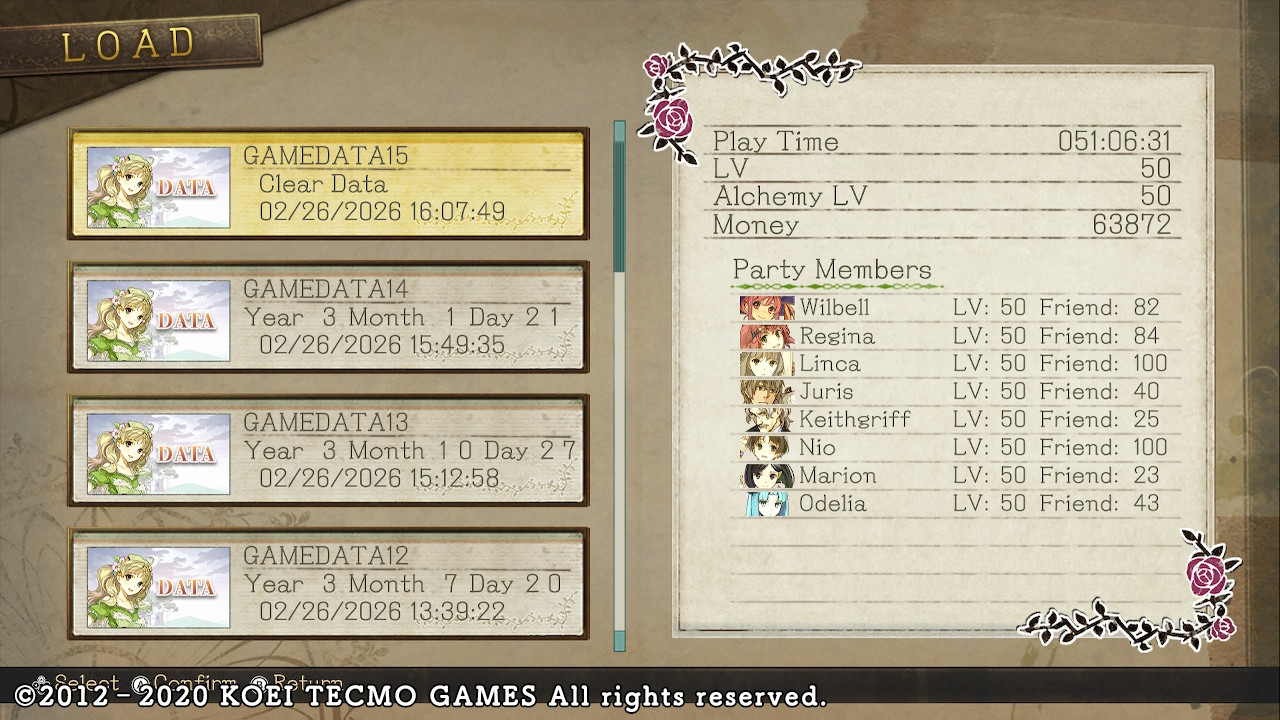
Playtime: 51.1 Hours
Finished 26 February 2026.
Played the Switch port of the DX version. I was able to snag a physical copy of the Dusk trilogy a few years back, but I'm just now actually getting into them since I took a bit of a hiatus on the series after finishing Meruru in late 2024. As usual, my playthrough was a single NG run, though I used guides & reference materials to try getting as much done as possible. I noticed the time limit felt very lenient in this one with a moderately-optimized playthrough; I slept away almost half a year of time at the end of the game and was pretty well on pace to finish everything including the superbosses. I just didn't want to spend even more time making ultimate geer and doing the fights (which are ~45 minutes each, apparently). I have hardsaves prepared at various points in case I ever do want to go back to finish what I started here. I ended up choosing the Sage's Hermitage ending (where Ayesha becomes really famous in the Dusk world), but unlocked all the endings so I can go back and see any of them if I want.
Miscellaneous Achievements:
- Reached Alchemy Level 50 and Adventurer Level 50+
- Completed all event chains for each character (Memory Diary full)
- Watched all events (miscellaneous events, etc.)
- Completed all Delivery Requests
- Completed all Note objectives (except superbosses)
- Won all 6 Treasure Contests
- Explored all areas
- Finished all but the final Album entry (page 9 requires superbosses)
- Synthesized everything in the game
- All endings unlocked!
I didn't realize until after finishing the game that apparently playing the game on the Switch 2 is a far superior experience - the reason why the game performs poorly on the Switch 1 is that the game is always internally rendered at 1080p, and downscaled to the 720p handheld output! On the Switch 2, the 1080p screen (handheld) and far better specs overall would have resulted in smoother performance, sharper graphics, and faster load times; it's a huge shame that I missed out on it for this game, but the other two Dusk games are the same - so E&L & Shallie will definitely be played on the S2.
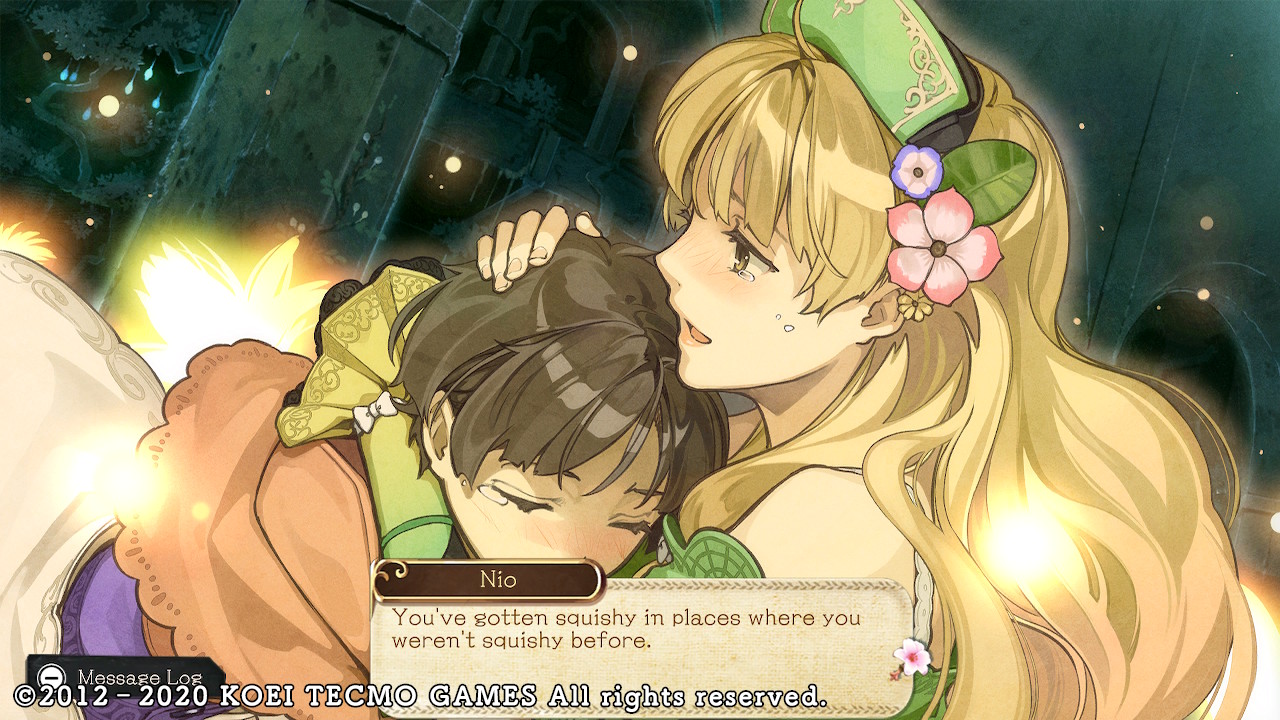
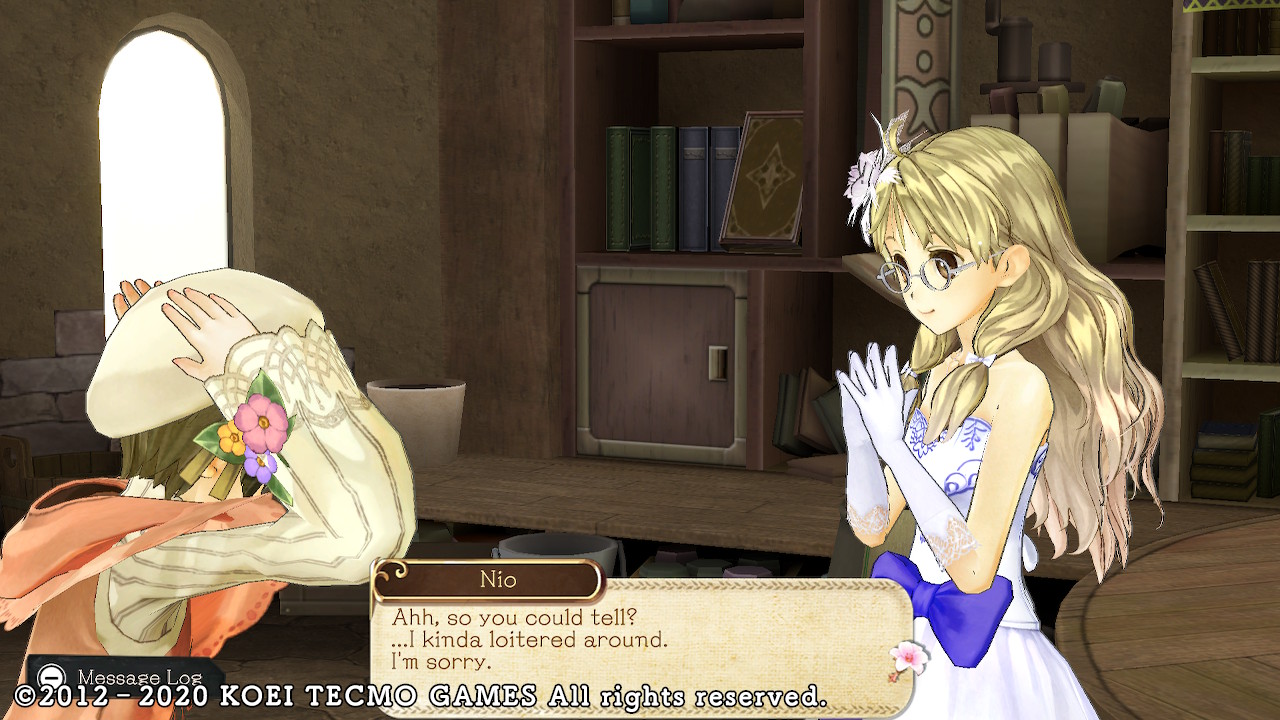
This was a very strong start to the Dusk series! This game felt like a huge departure from the Arland series in many different ways, but the atmosphere and charm of this game are all still there. The structure of the game feels very similar to Totori, almost like a sequel; Ayesha is an apothecary living in the middle of nowhere, who decides to go on a journey to find her missing sister Nio after seeing a "ghost" of her in some nearby ruins and being advised that it might be related to alchemy, mirroring Totori's search for her missing mother. There is still a time limit in this game but it's by far the most lenient one in the series so far, only taking me just over a year and a half of the three years of in-game time to rescue Nio, giving me a huge chunk of the game to clean up the rest of the side objectives and character events. I even actually had about ~8 months to spare after finishing everything except the superbosses, so a NG 100% run is absolutely viable.
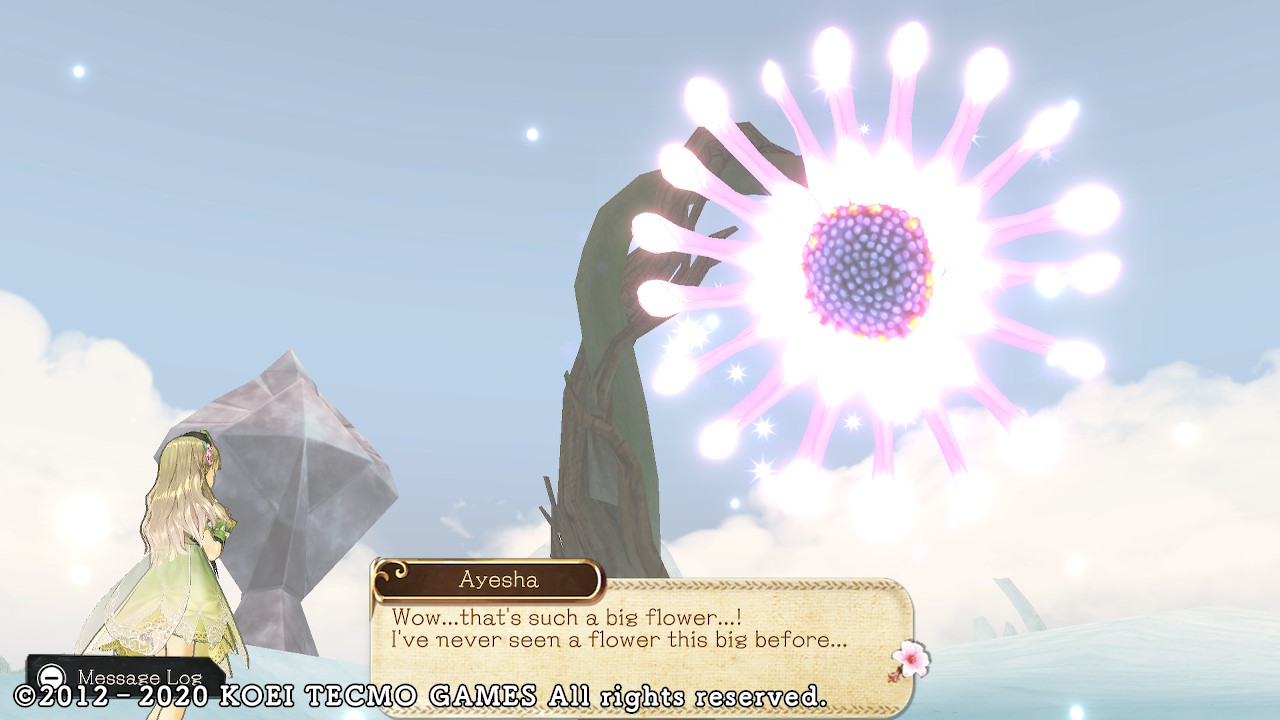
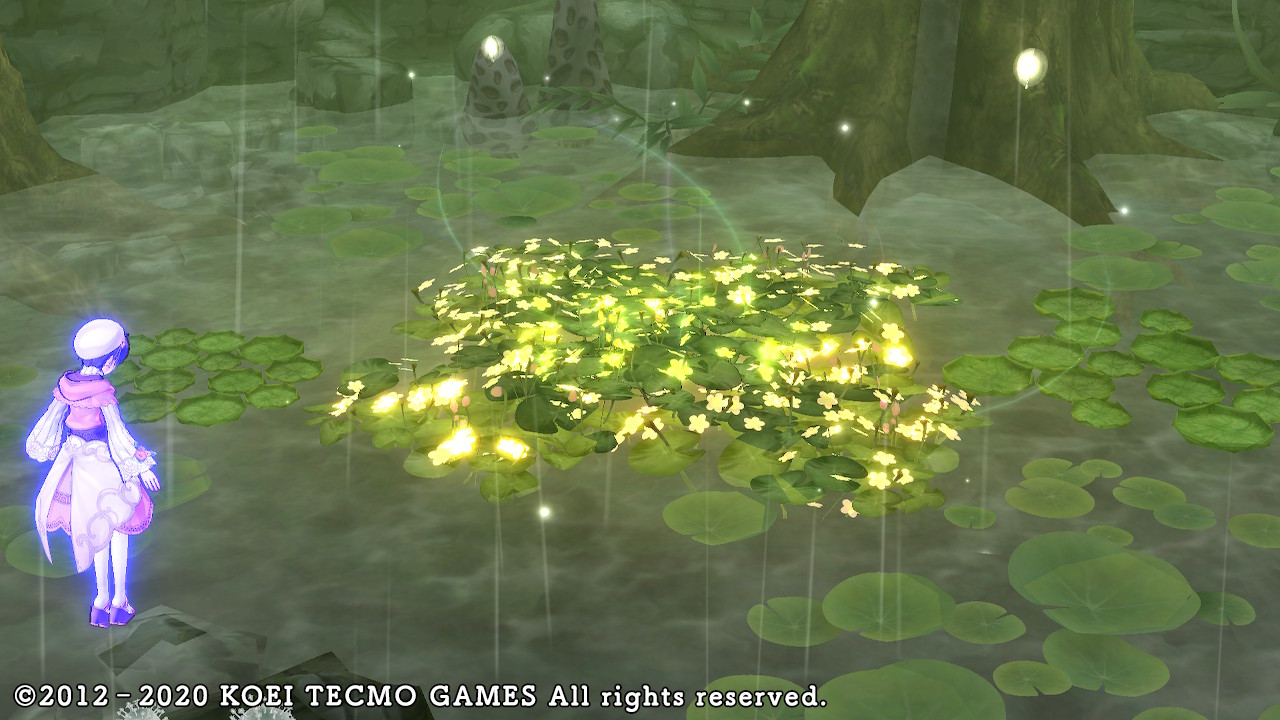
Ayesha's adventure is quite open-ended, just like Totori's. Your primary goal throughout the entire 3 years of the game is simply to rescue Nio, though the game gives you some more direction through Ayesha's notes that give you ideas of what you can be doing to progress the main story at any given time. Although the objectives can still be a bit cryptic at times, it's still an improvement Totori's completely unrelated goal of hitting an arbitrary Adventurer rank; it feels like the different areas and events are all for the sake of finding Nio. You typically have a few different objectives that you can chase, particularly towards the middle section of the game where you need to gather petals from several special flowers to synthesize a story-related Flower Oil. You're given several different objectives across the entire map, but it's up to you to try figuring out where and how to find, grow, and harvest the flowers themselves.
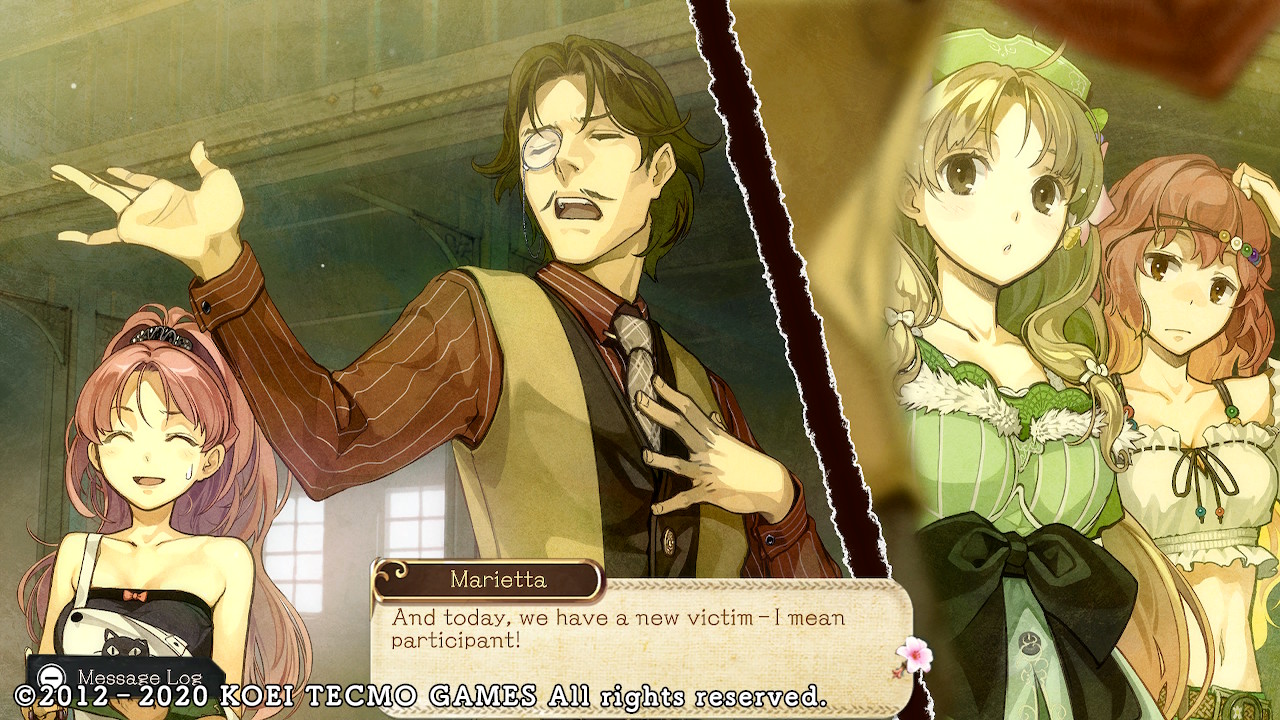
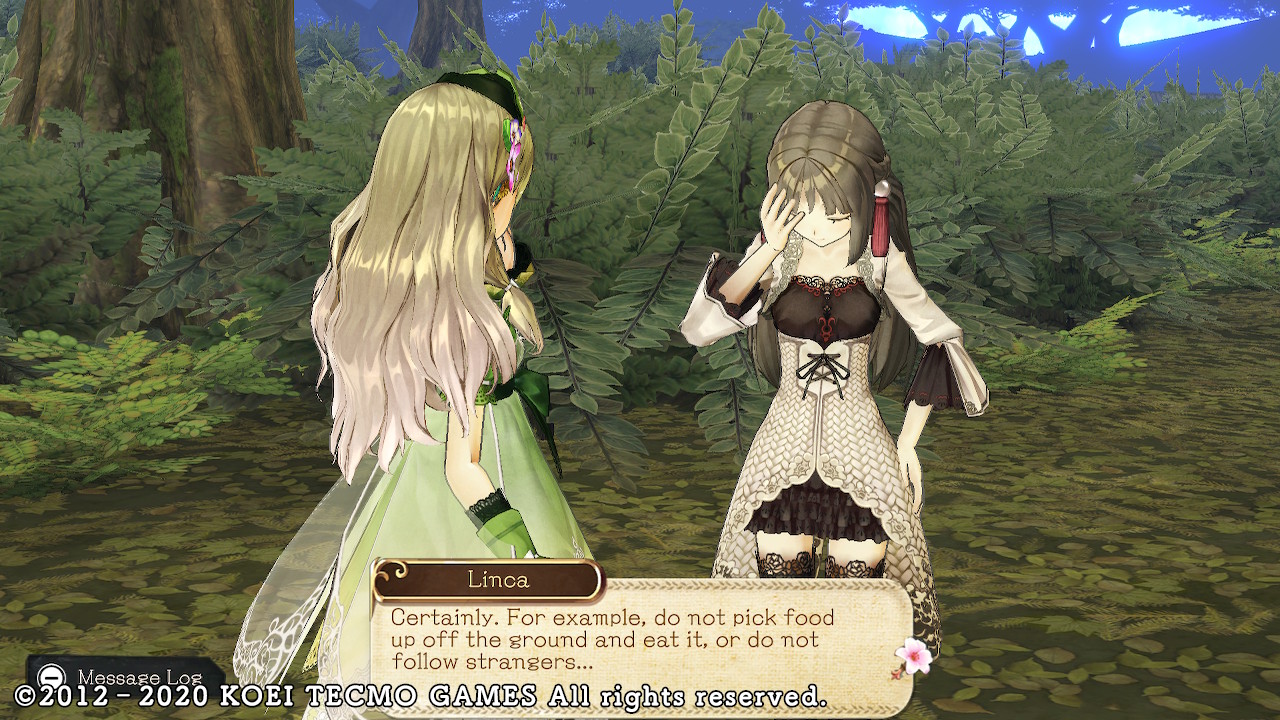
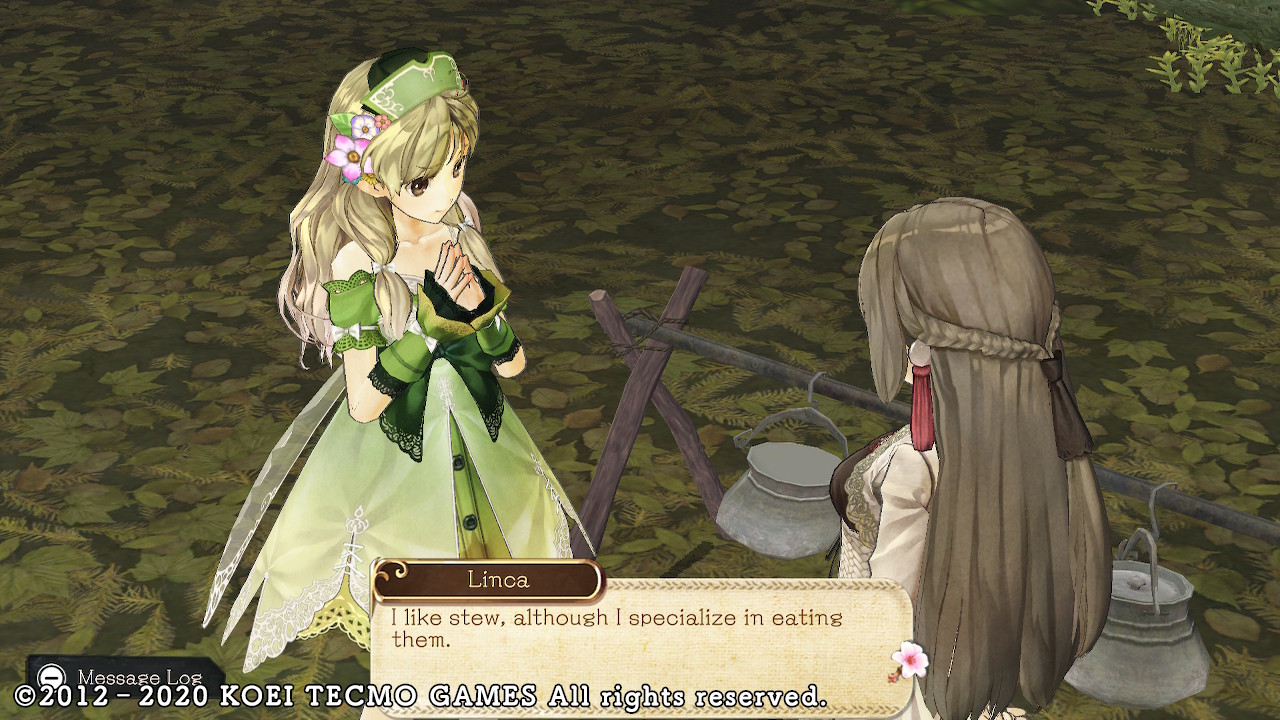
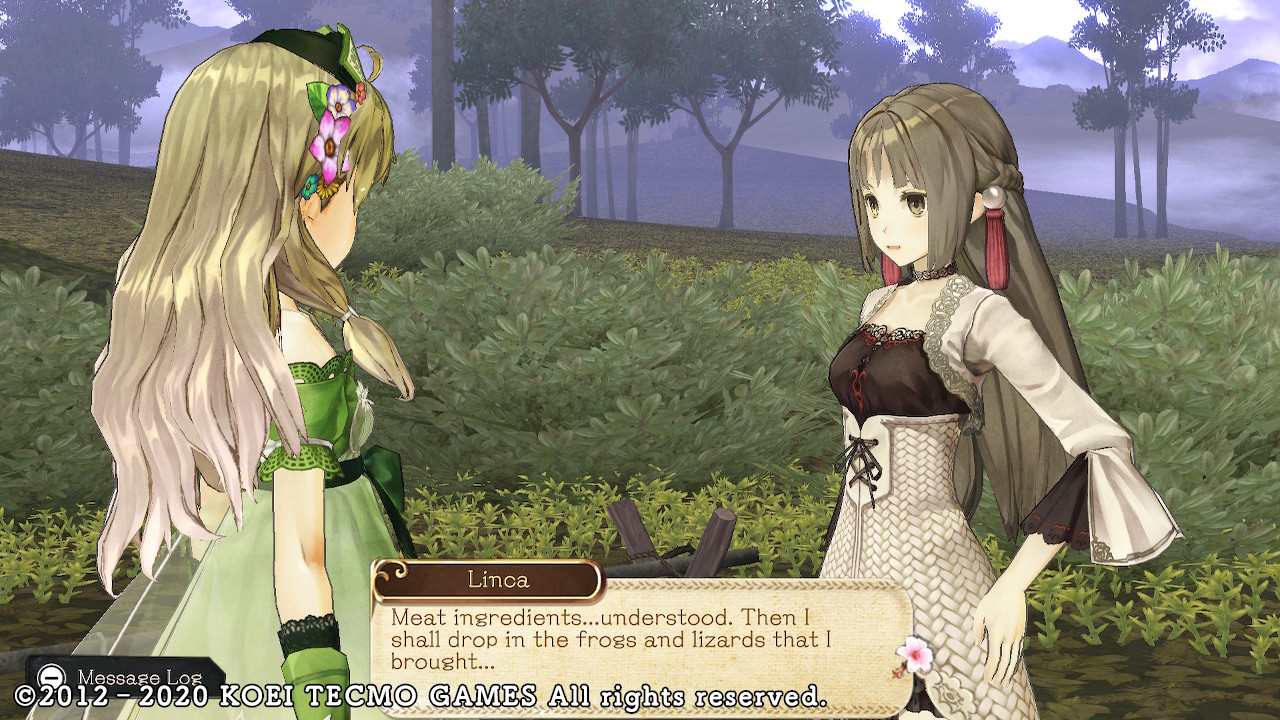
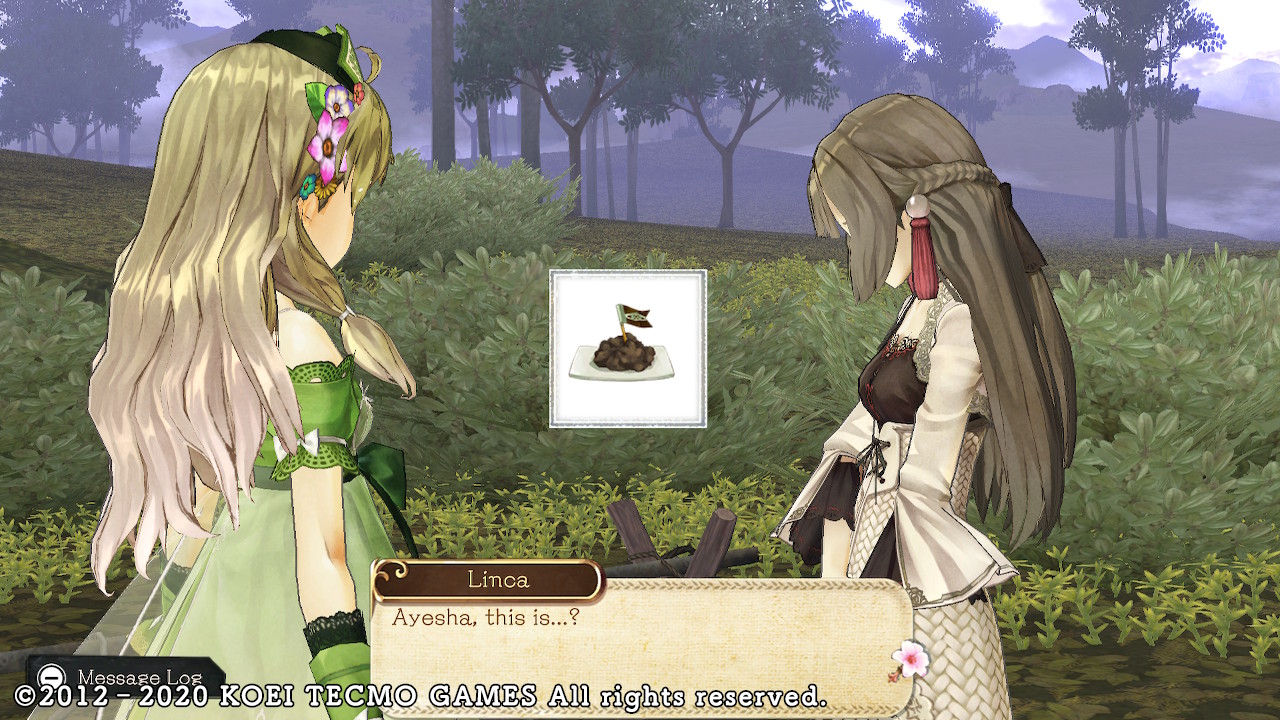
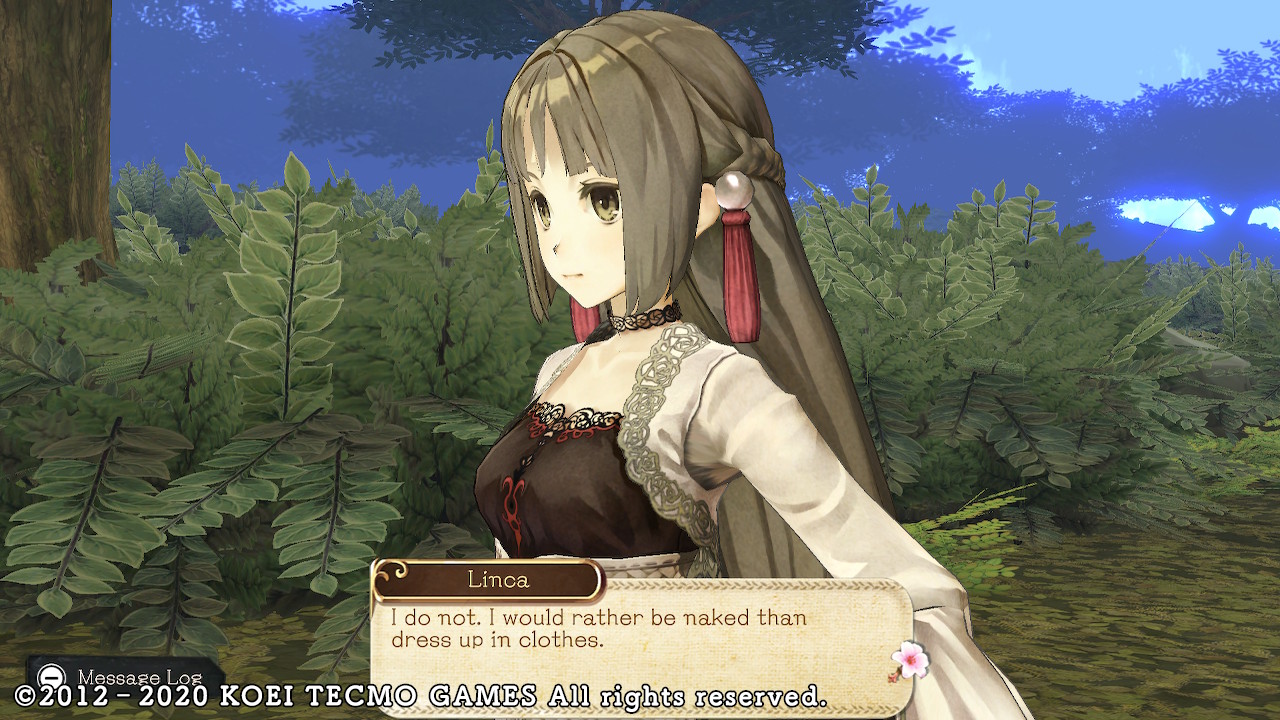
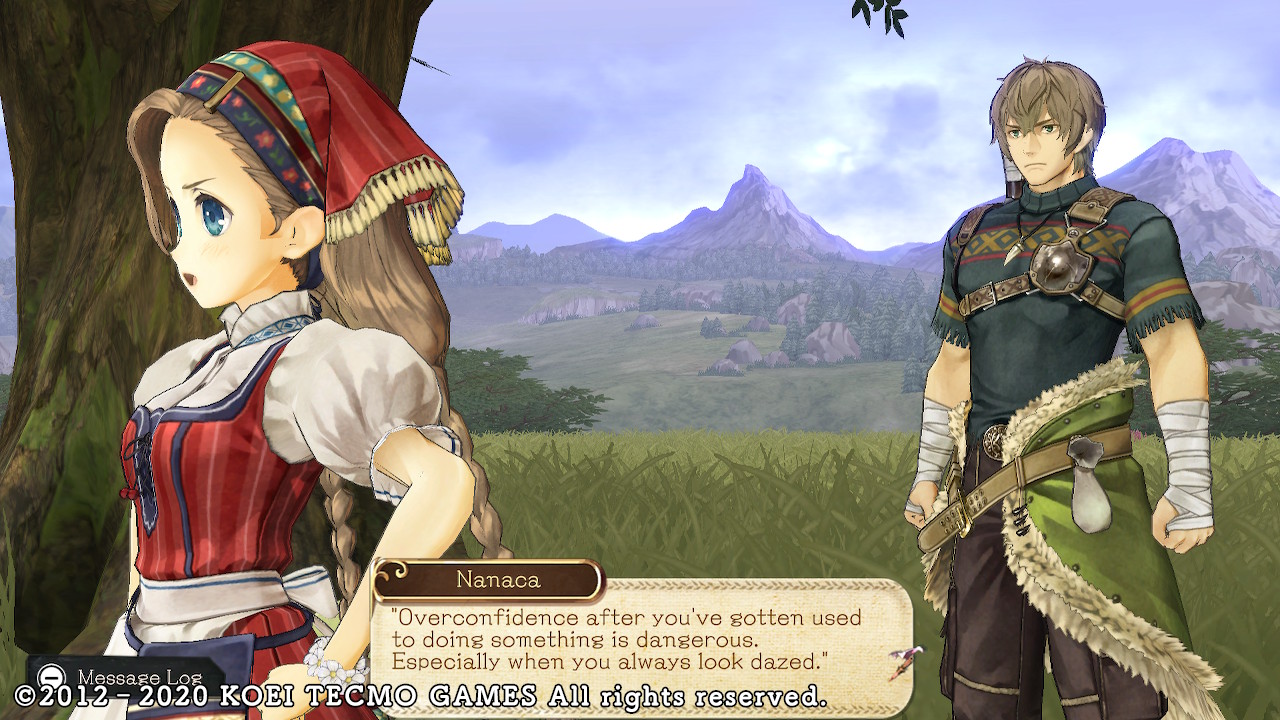
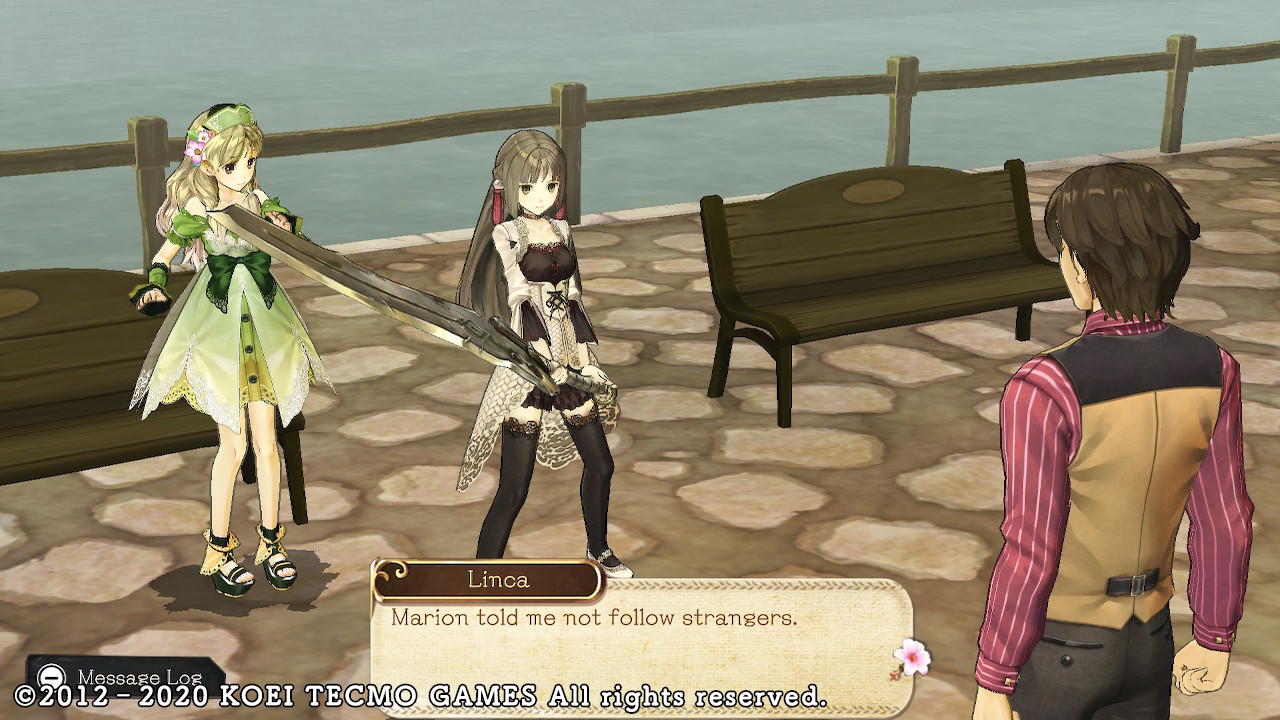
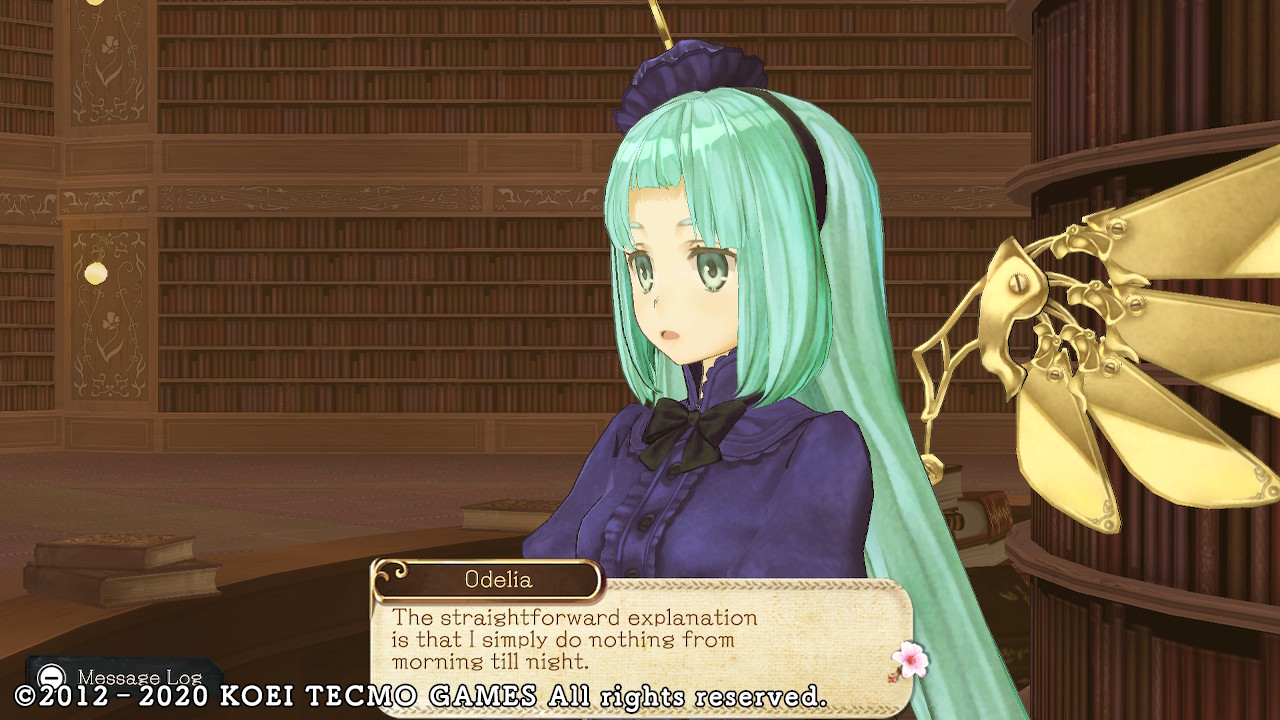
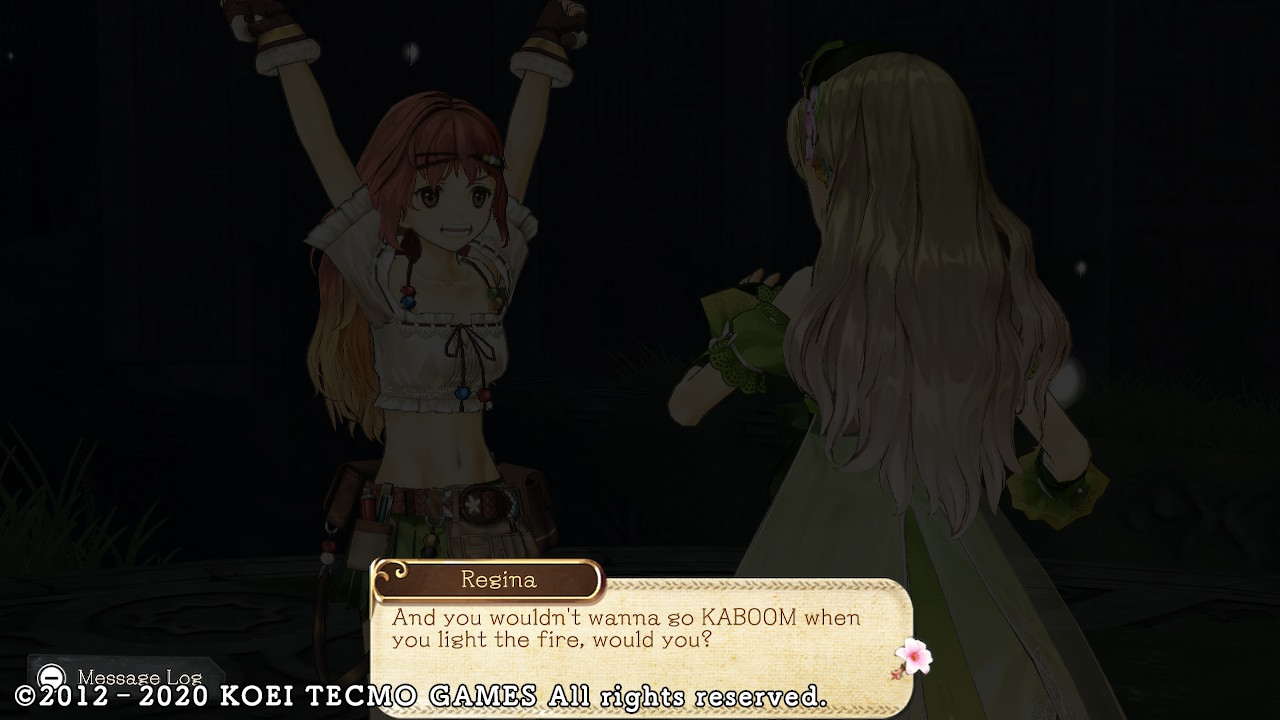
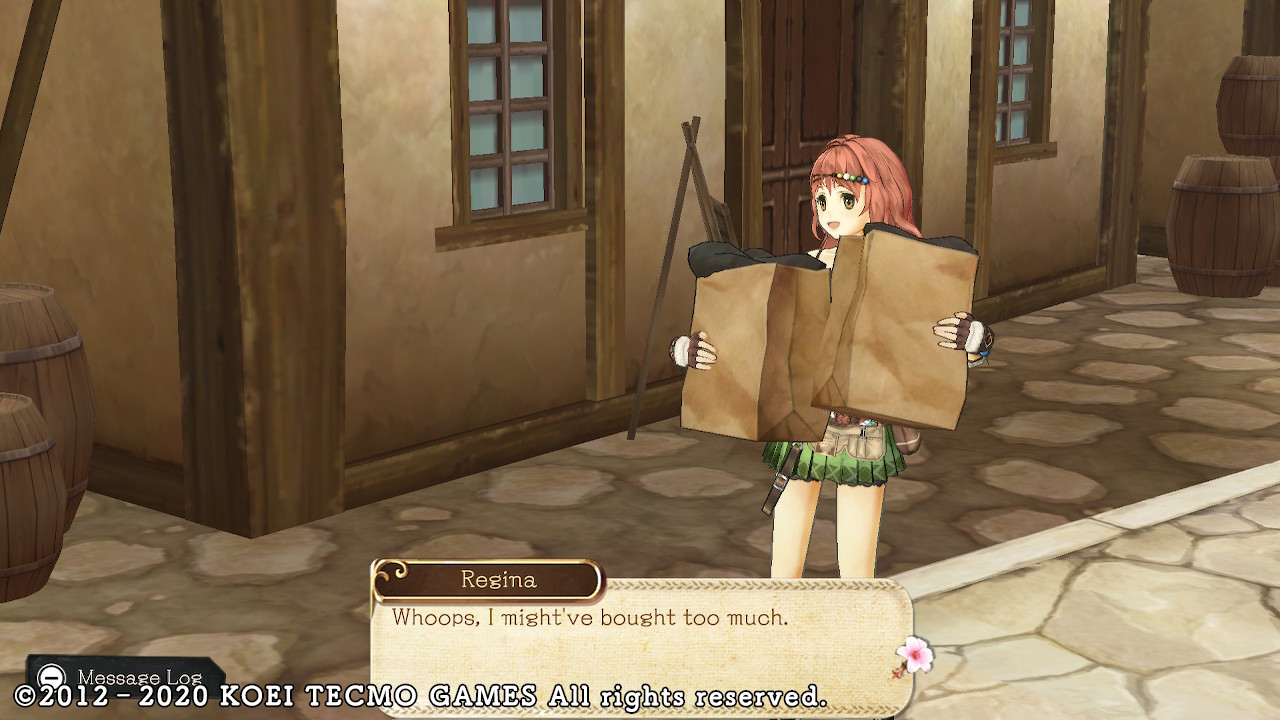
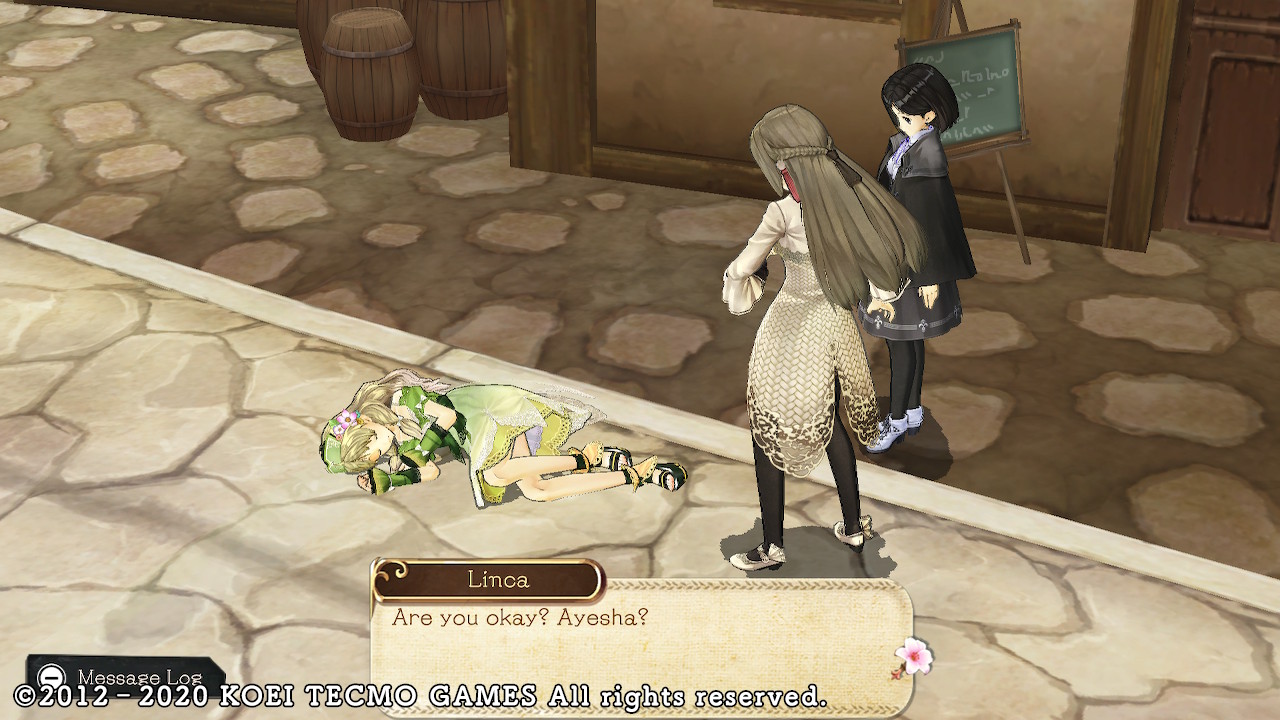
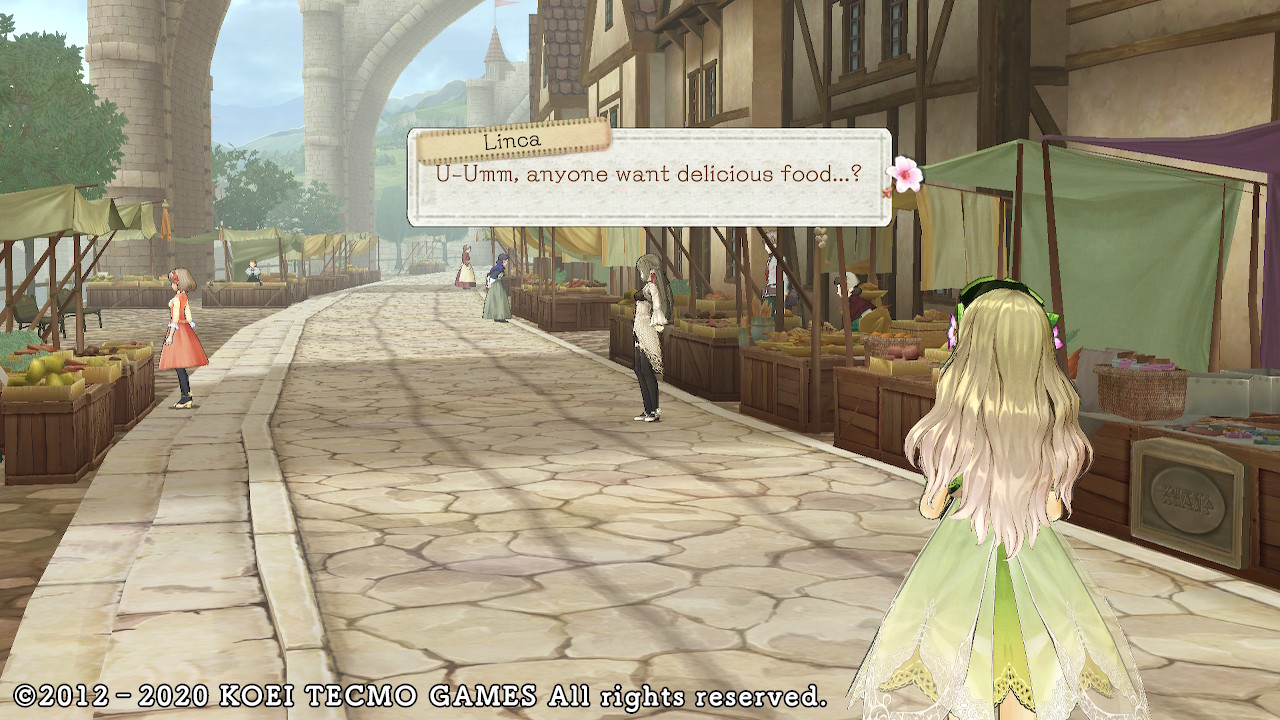
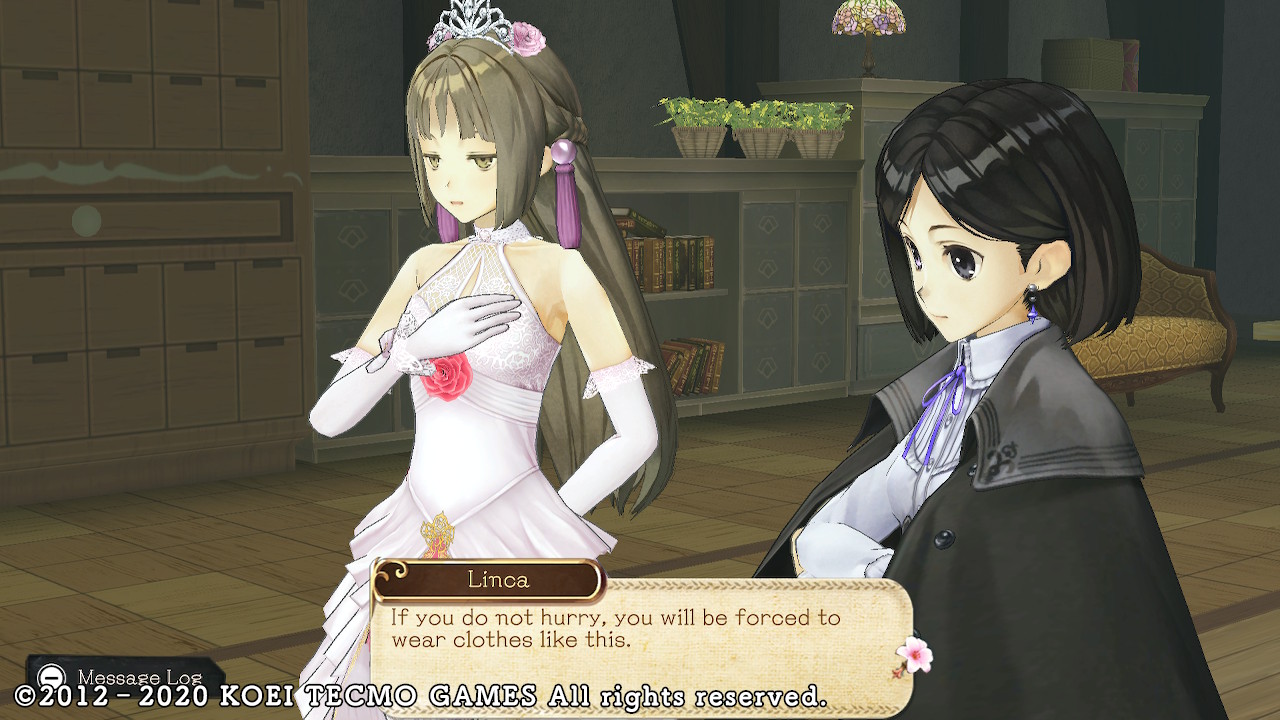
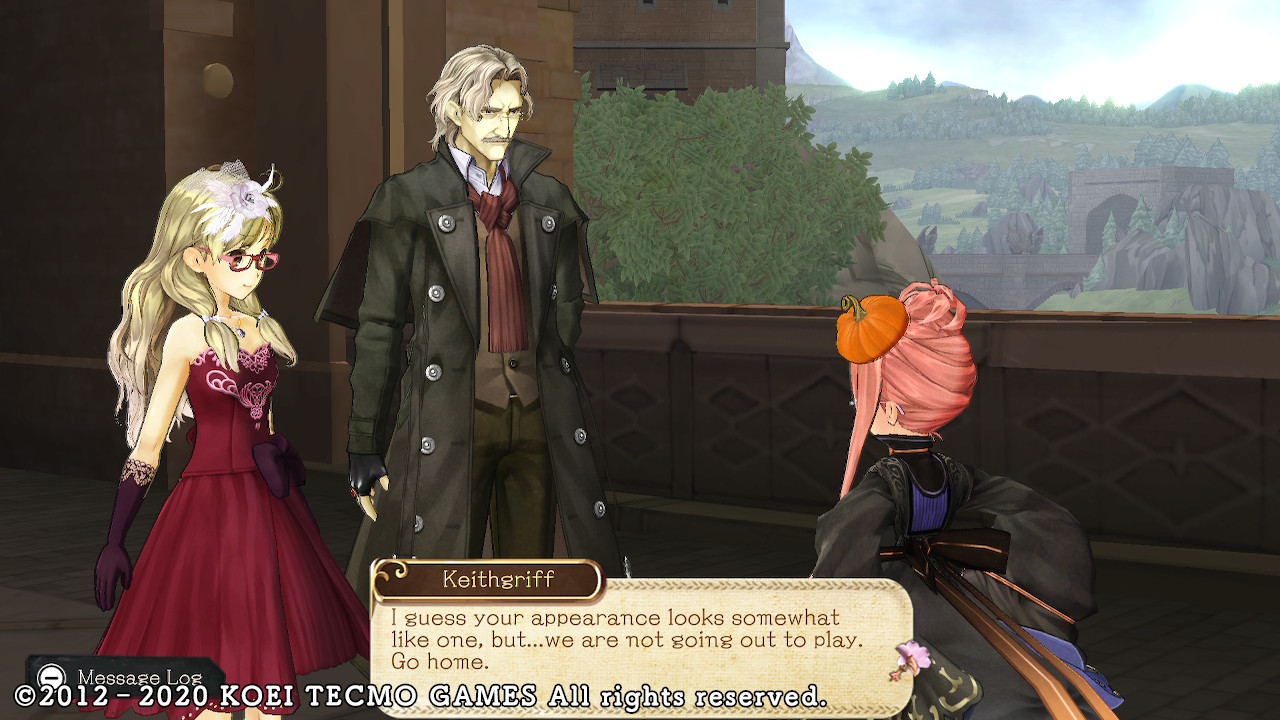
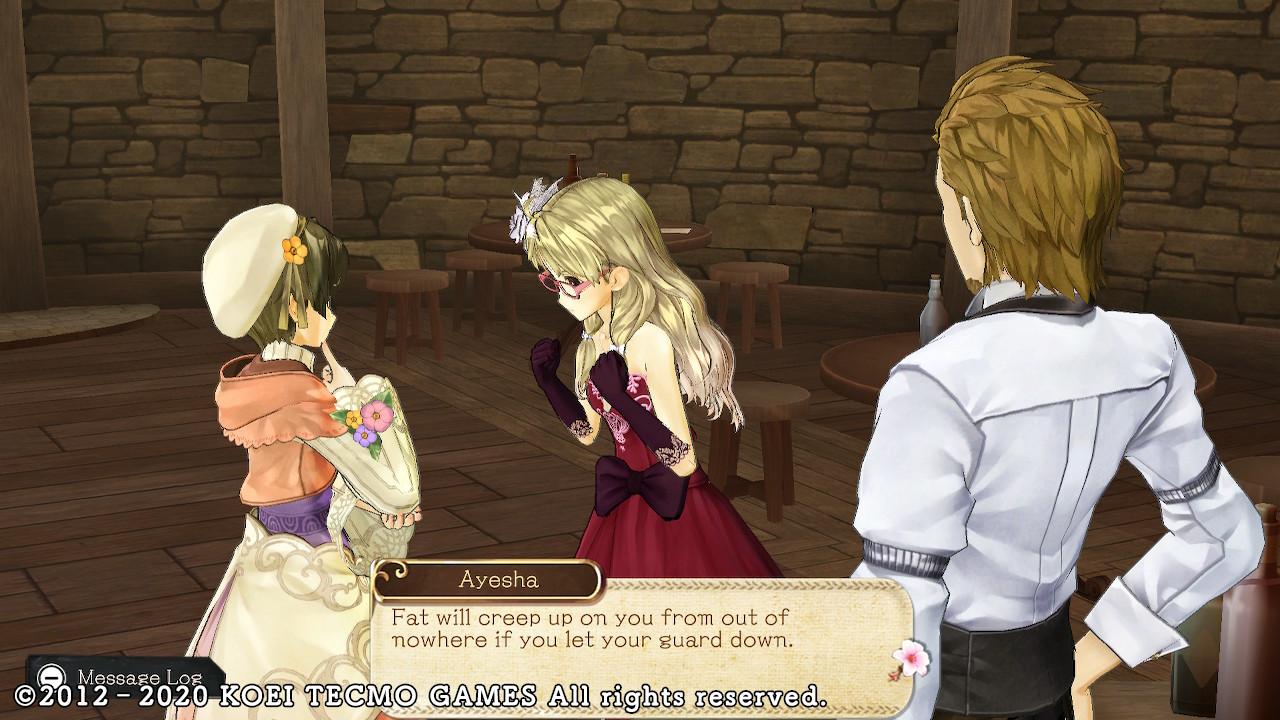
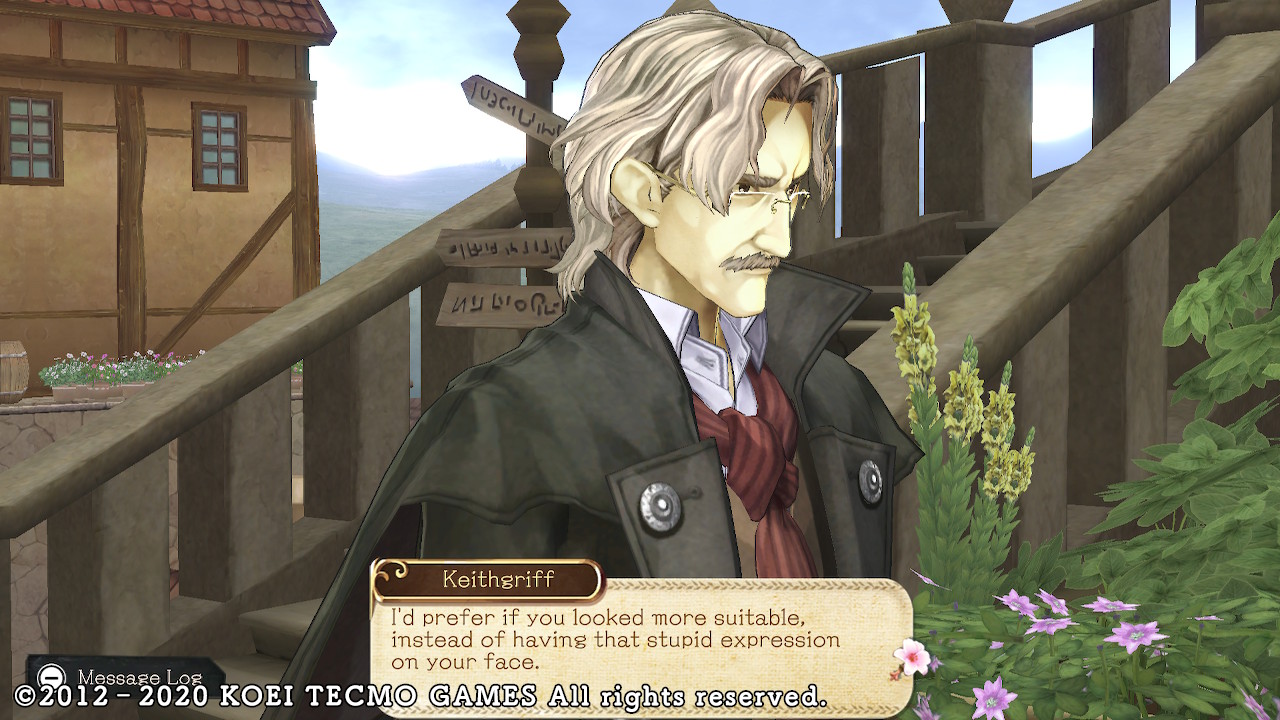
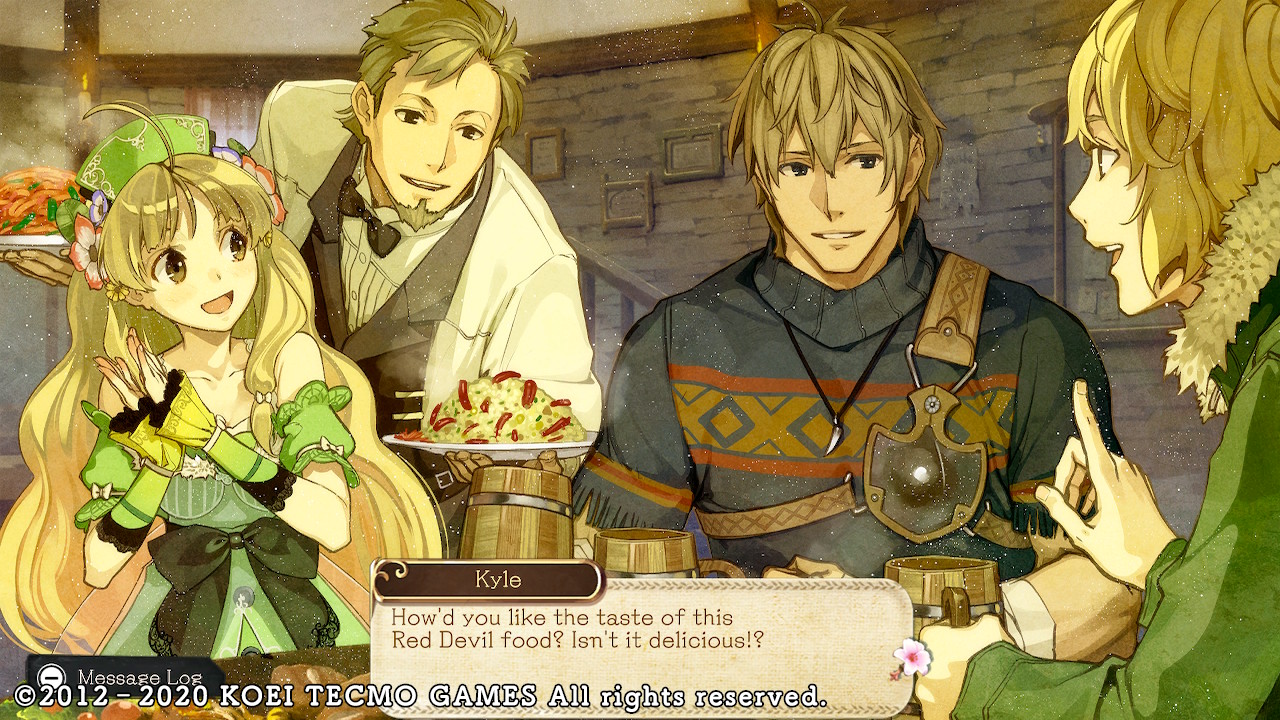
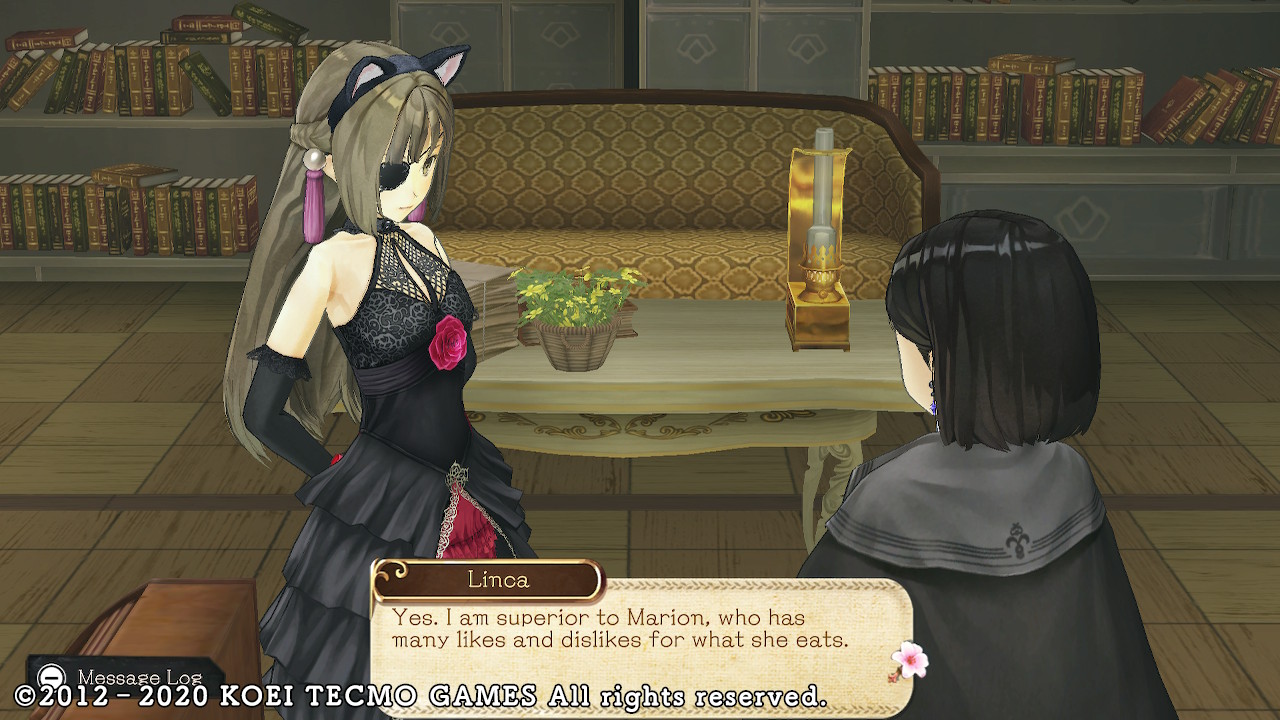
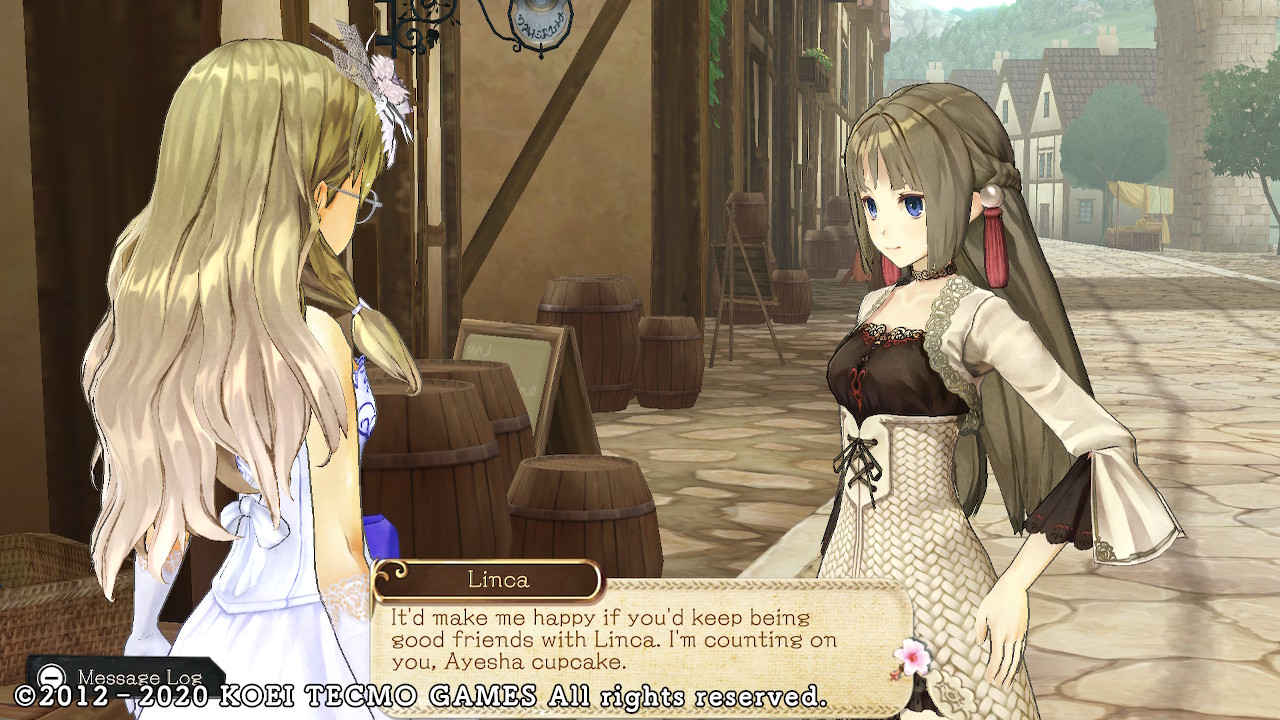
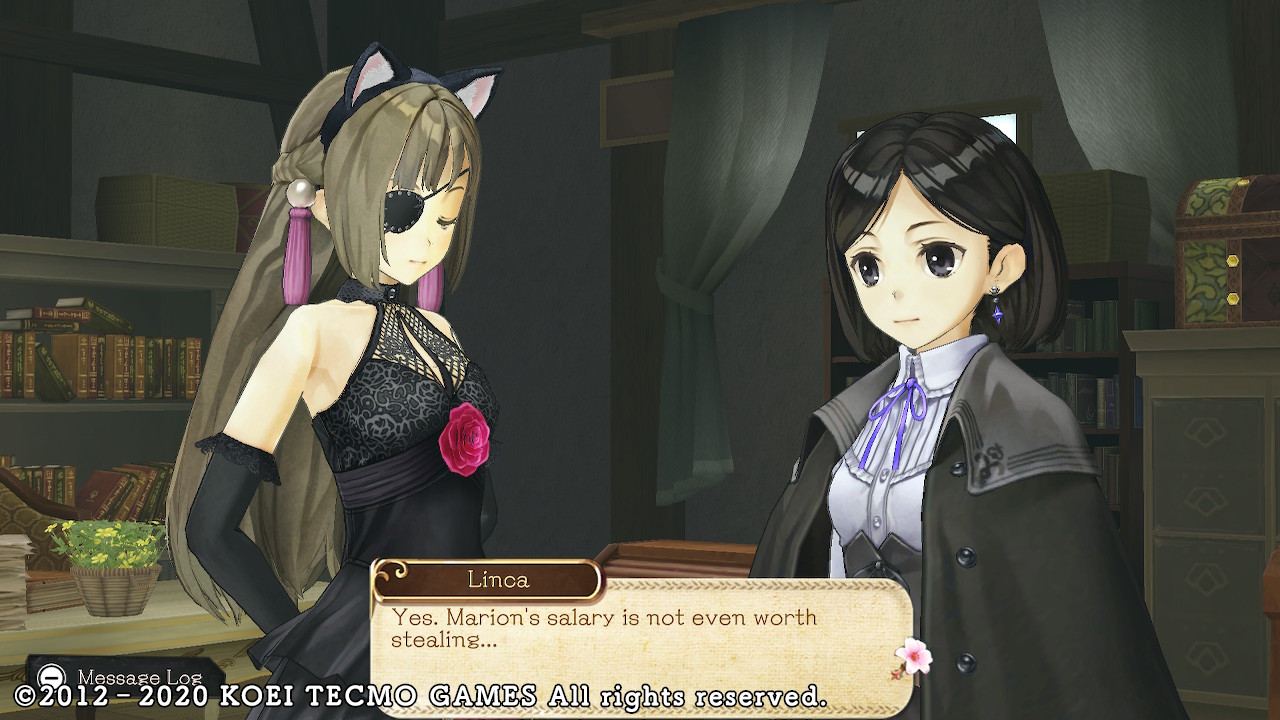
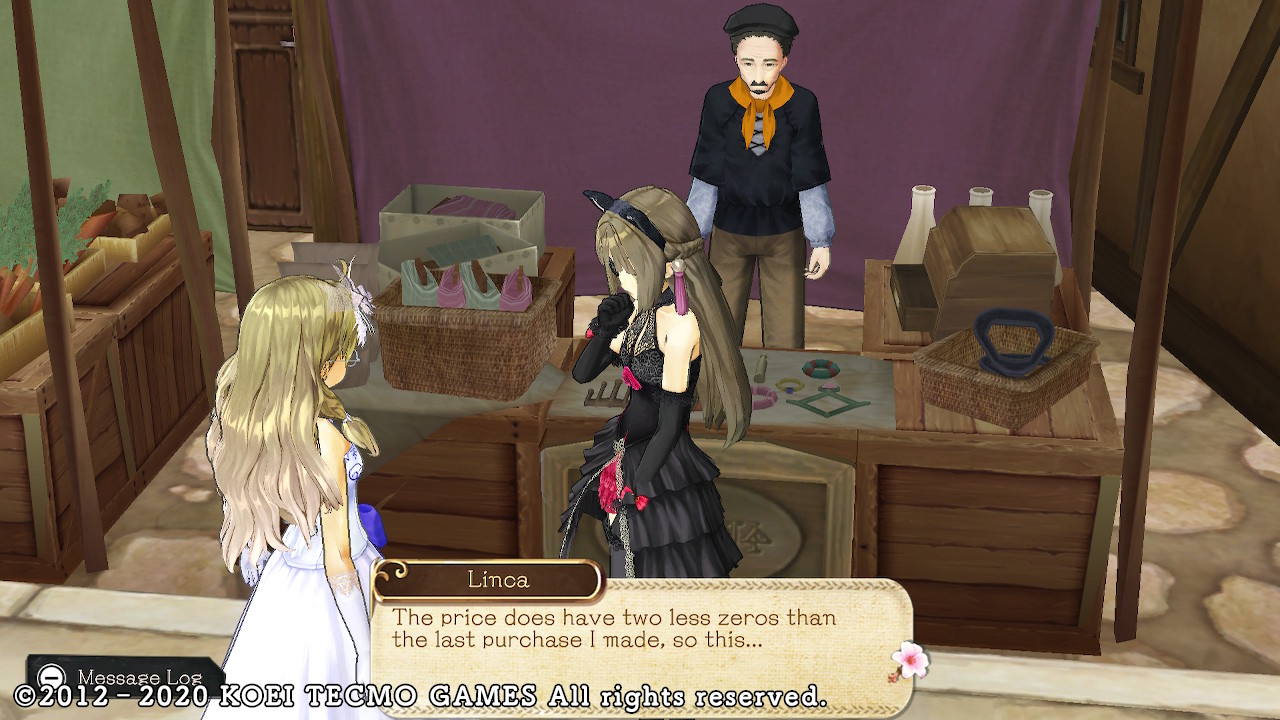
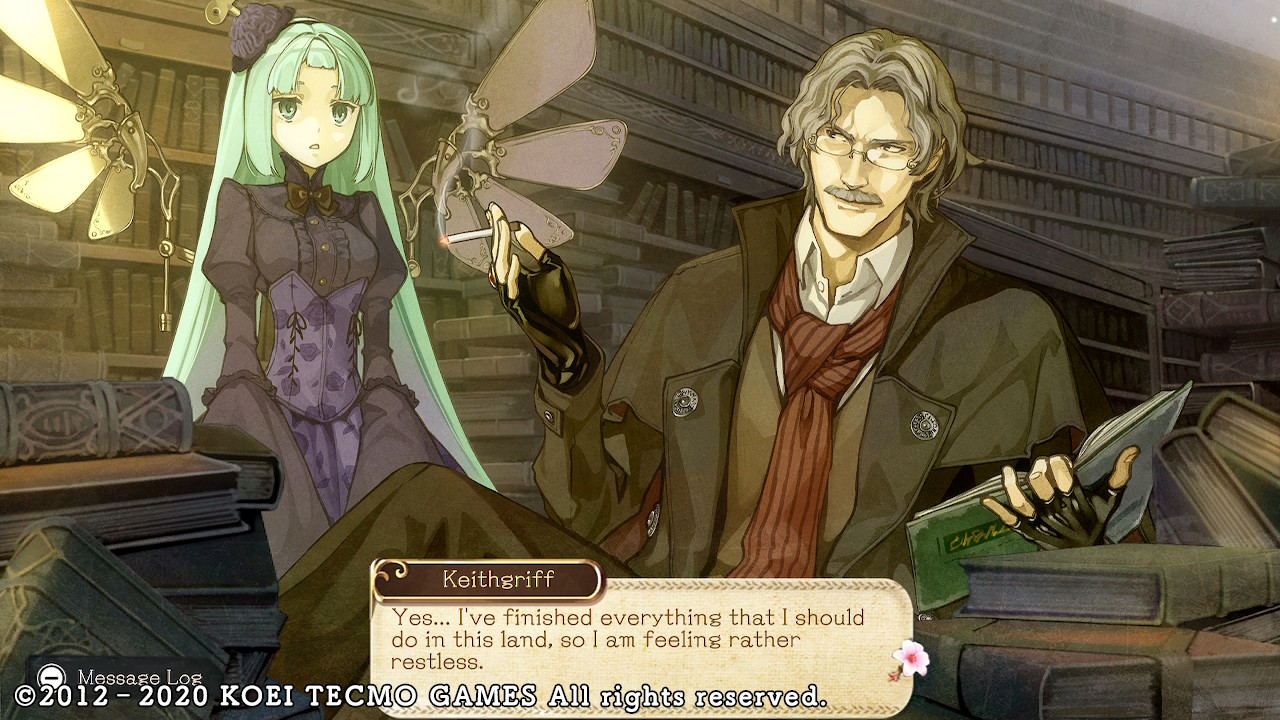
As is always the case with Atelier games, the majority of the game focuses on character events for your party members, townspeople, and a few others that travel around the map. I thought the roster of characters was generally very likeable this time around - some (like Keith) are more grumpy but there's always a few stinkers in the cast. I particularly liked Linca (honestly, just because I found her super cute) but Regina, Wilbell, Ernie, Fred, Marietta, and so many other characters were all relatable in various ways, and I thoroughly enjoyed seeing them grow across their individual stories and events. Most of the game's endings are actually related more to character event chains, with Nio's rescue only acting as a precondition, really emphasizing that the Atelier games are more about the people you meet than just your initial goal. This time around, the conditions to complete the different events are also a bit easier in general (particularly regarding Friendship requirements), making it possible to complete every single event in a single playthrough.
Obviously, most of the game is spent doing more "mundane" things. A central mechanic of this game is Ayesha's "Memory Diary"; using Memory Points, you can write different diary entries related to various event chains that you've completed which grant you lots of different bonuses ranging from simple stat bonuses to more significant synthesis and EXP gain enhancements. The character event chains are the greatest source of these points, of course - but you can also complete them by completing item requests, where you deliver synthesized or gathered items to various people in the different towns for money, points, and occasionally other items. Additionally, similar to Totori's adventuring objectives, every area in the game has some sort of Hunt and Gather objective, granting you an additional point bounty when you clear areas of enemies or gathering spots. There's definitely something particularly enjoyable about the little serotonin hits you get for each little objective you complete as you explore new areas for the first time.
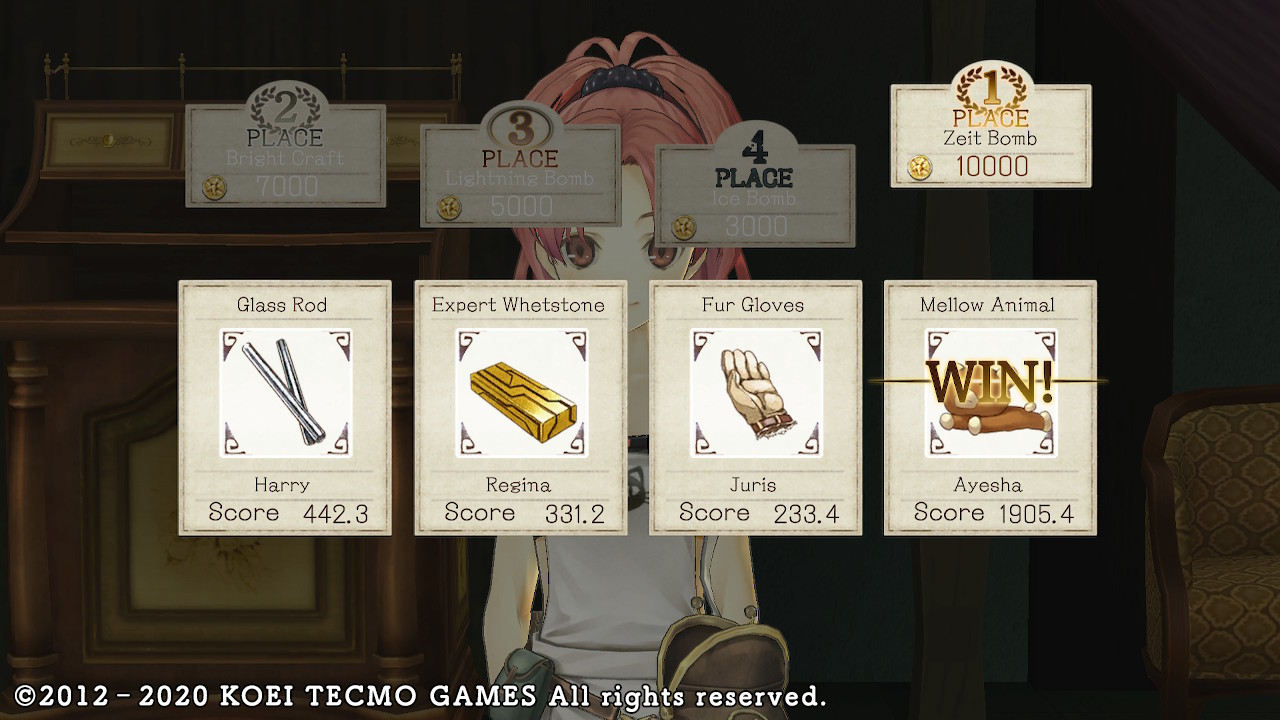
There's a few other details of the basic gameplay that feel significant. Firstly, item registration in this game is very generous compared to previous games - to the point that slot management isn't really important at all anymore. Most shops allow you to register related items, and as they level up, you are given up to a maximum of 25 registration slots (per shop!) that you can fill as you wish, refilled roughly monthly (or maybe every ~10-15 days?). Furthermore, Vierzeburg holds a Bazaar for the middle 10 days of each month, offering up to ~5 more shops that you can register to. Especially with the postgame Metastasis Wing, you essentially have probably ~200 registerable shop slots that you can access at any given time! Speaking of which, outside of the Bazaar, the only other really missable events are the Treasure Contests, which are held twice a year and basically act as a high-value item delivery check. Given that each contest has a 2-month submission window (and the requirements to get 1st every time are quite easy), this isn't a concern at all. You even get a little teddy bear item partway through the game that grants you the wins for the last ~4 contests for free.
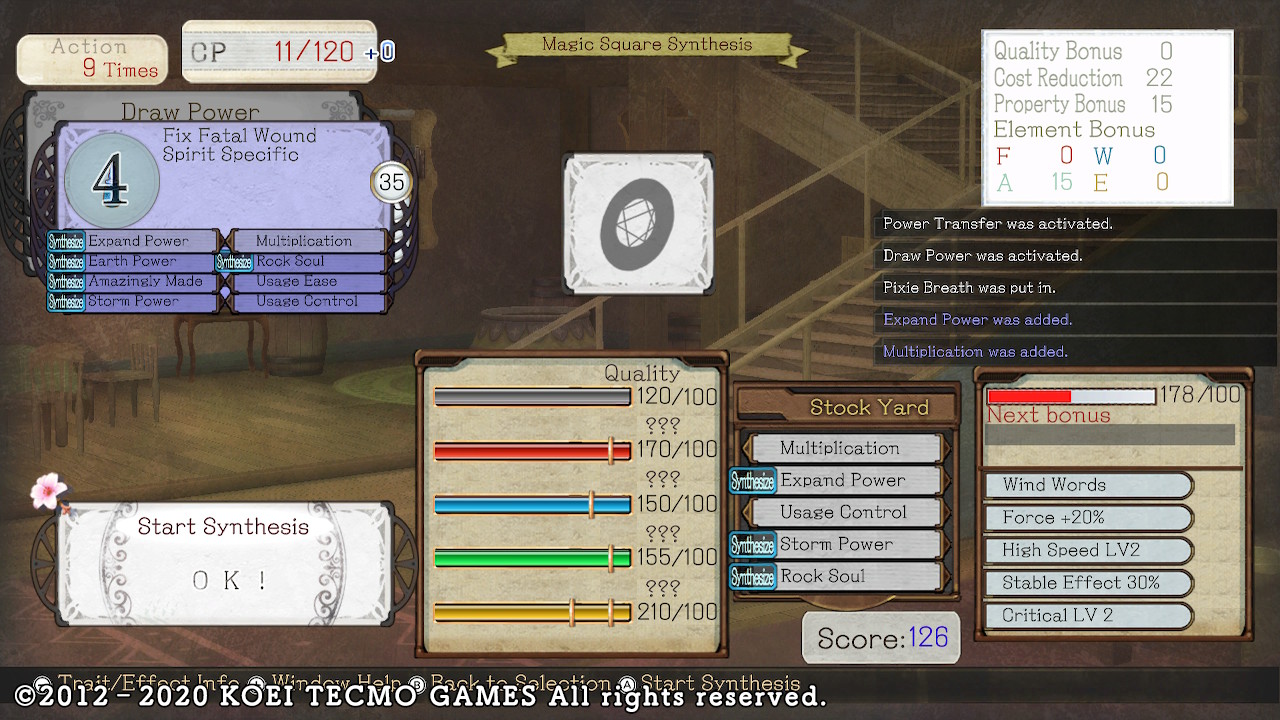
The synthesis is by far the most significantly changed aspect of the game; the system is a complete departure from the Arland games. Gathered materials no longer have individual, randomized traits and quality - rather, those are all inherent qualities of the item type which makes syntheses very consistent. Also as a result, items added to synthesis are not chosen by individual instance; if you do a 2-unit synthesis, you cannot choose 2 different ingredients per slot (ex. 2 Polish Powders with different traits) but must have multiple exact copies of each item. The actual synthesis process is also a strangely-complex system balancing various levels indicating quality & 4 different element values to upgrade the final items' effects, alongside synthesis traits that boost these values and skills that can grant benefits towards unlocking an item's inherent properties, boost levels, duplicate ingredient effects, or transfer/delete properties from the final item. It's as convoluted to learn in practice as it sounds in a brief description, but I eventually found quite a bit of fun in it. But one thing I really don't like about the system is that it doeesn't allow you to re-order or select final properties from a list as you could in Arland, but instead locks everything into a very specific order in the final item, making juggling effects for ultimate item crafting extremely unfun. I should emphasize that this only applies to extremely optimized items (ie. for superbosses, which is why I didn't want to do them); making good late/endgame items isn't easy, but isn't that tedious either - some good Stat+ effects, Skill bonuses, and a few elemental power bonuses will get you very far very quickly with no sweat. There's a number of other intricacies and little irritations that I have with the system, but overall it was at least a very fun change of pace. I'm not sure if I'll miss the system too much in E&L though - they decided to redo the system after Ayesha, probably because people didn't like it much in general.
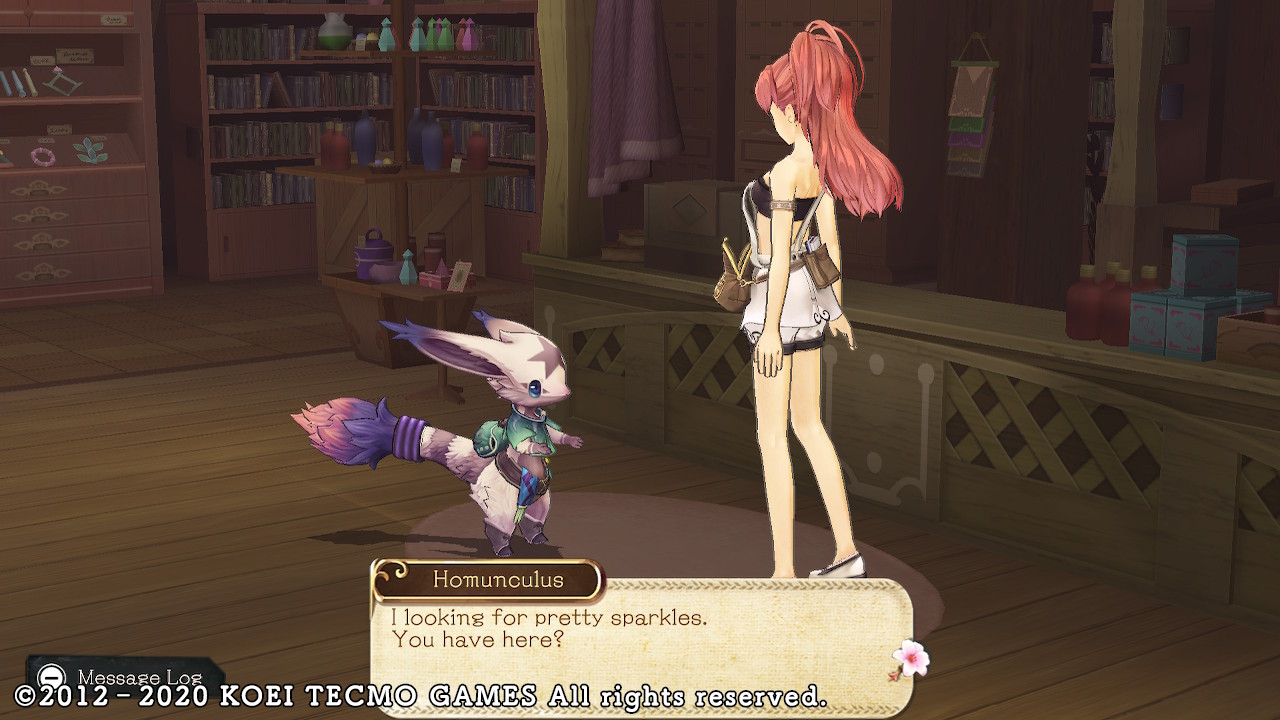
Gear is also handled very differently compared to Arland as well, or at least specifically for weapons and armor. (Accessories are basically the same; directly crafted and equipped.) Your main gear items are no longer synthesizable directly by Ayesha - instead, the base items must ALWAYS come from enemy (usually Slag) drops, some shops (Homonuculus shops sell them directly, Linca's bazaar shop lets you register them). You optimize your gear by crafting Ingots and Dyes instead - which act as upgrade items to the base weapon item. After crafting these items, using them on weapons and armor respectively allows you to transfer properties (stat buffs, elemental or attack effects, etc.) to your gear! By crafting one or multiple kinds of these items, you can mix and match the effects you apply to everyone's equipment: I gave Linca a ton of Skill Boost buffs so she could spam her overpowered skills for free, but instead kept some more basic stat bonuses for Ayesha (who doesn't have any combat skills at all). But item property ordering and the lack of ability to select properties makes it painful and costly to juggle effects if you want to swap out effects which kind of dampens some of the motivations to explore and use all of the cool item properties that you can find. That's honestly my biggest gripe with the entire crafting system this time around.
I'm realizing I haven't said much about the actual setting of the game; as far as I know, Dusk is set in kind of a "dying" world, filled with grand ruins of ancient civilizations and hints of lost knowledge everywhere. People mention that water is running out or going foul, areas once rife with life are now barren wastes, and there are other mentions of poor harvests & tragedies striking the settlements you visit. That said, this is more of a "peaceful" apocalpyse if that can be said, and those aspects of worldbuilding serve much more as an aesthetic guide for the setting rather than anything specifically related to the gameplay. Everyone in the game has fairly normal and mundane lives, and there's no real hints of people seriously struggling to survive at large. That said, I quite like the almost-nostalgic atmosphere this brings, imagining what the world might have been like at the peak of the ancient alchemy-driven civilization while still finding comfort the world that's left. It's not too hard to believe that this paints a possible picture of what a slower decline would look like; people adapting to simplier ways of life as things slowly slip away. I hope we learn more about the state of the world in the next games though.
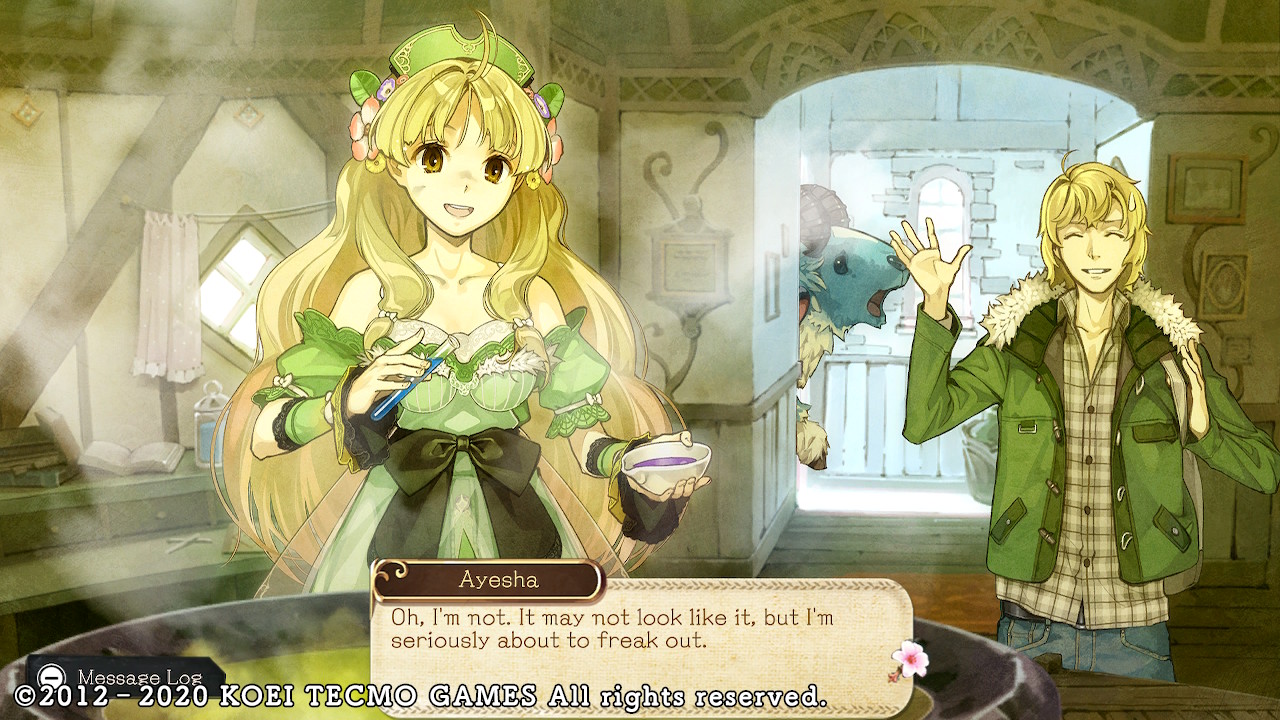
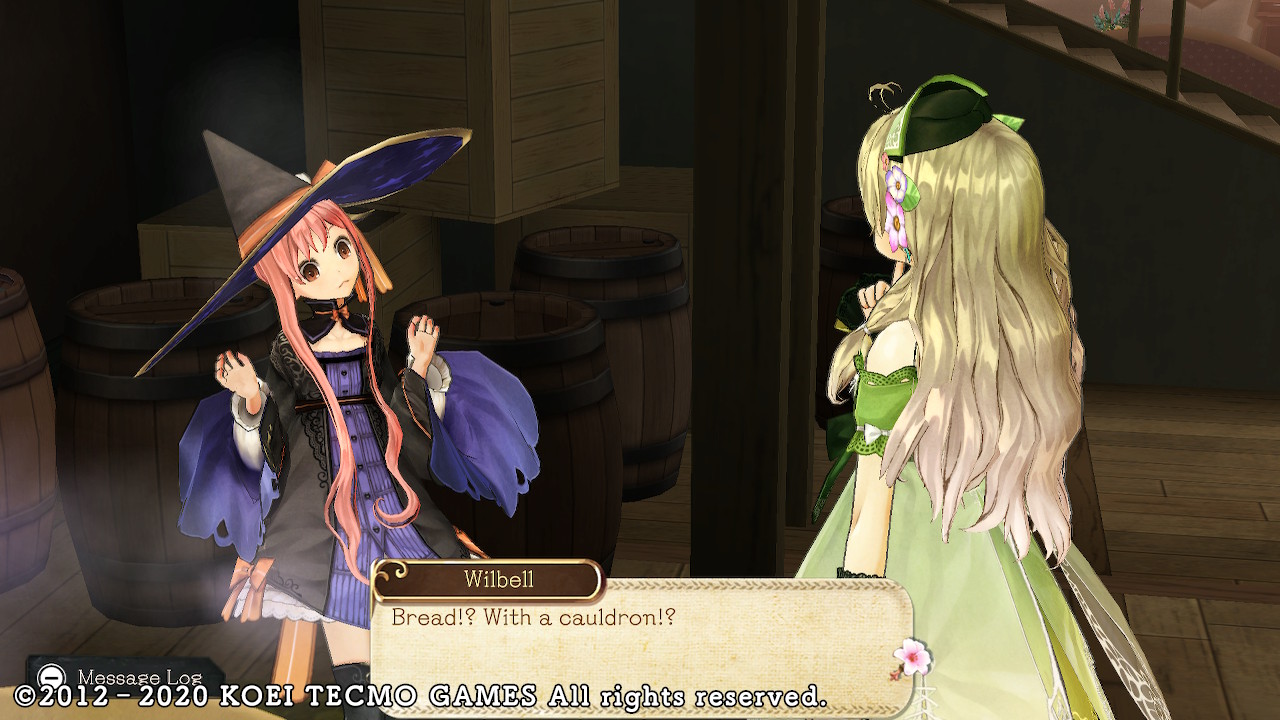
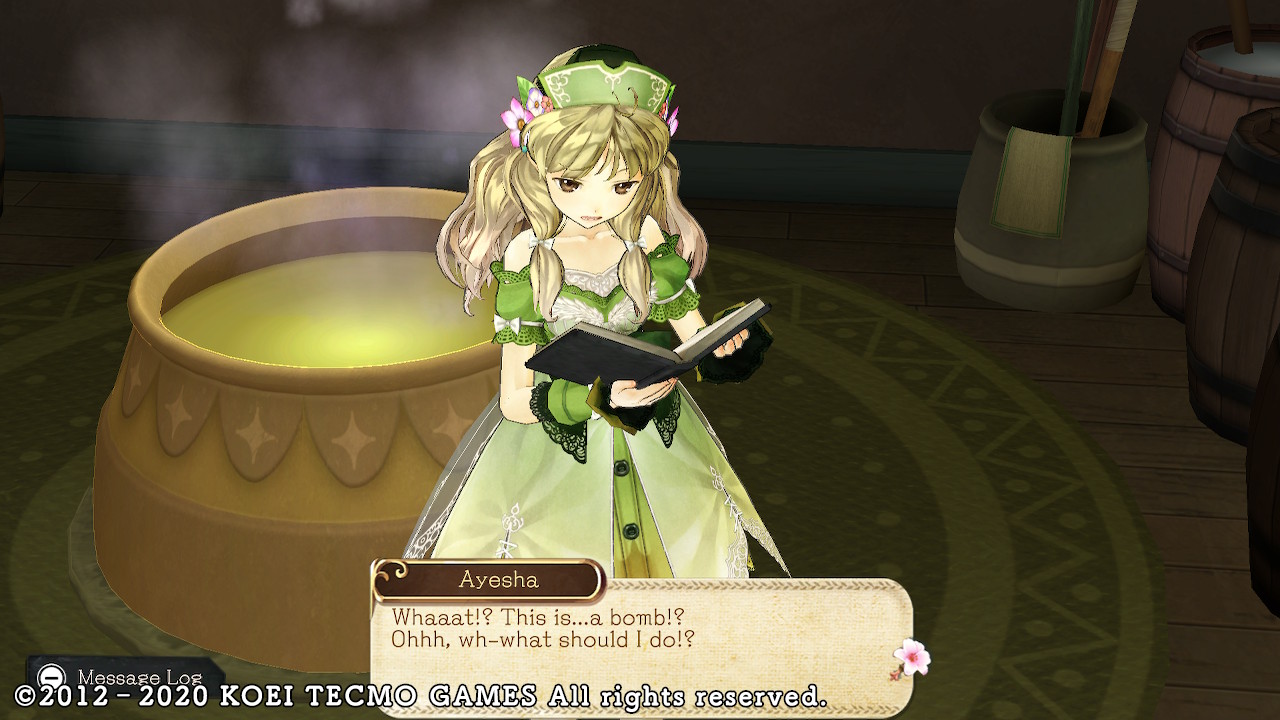
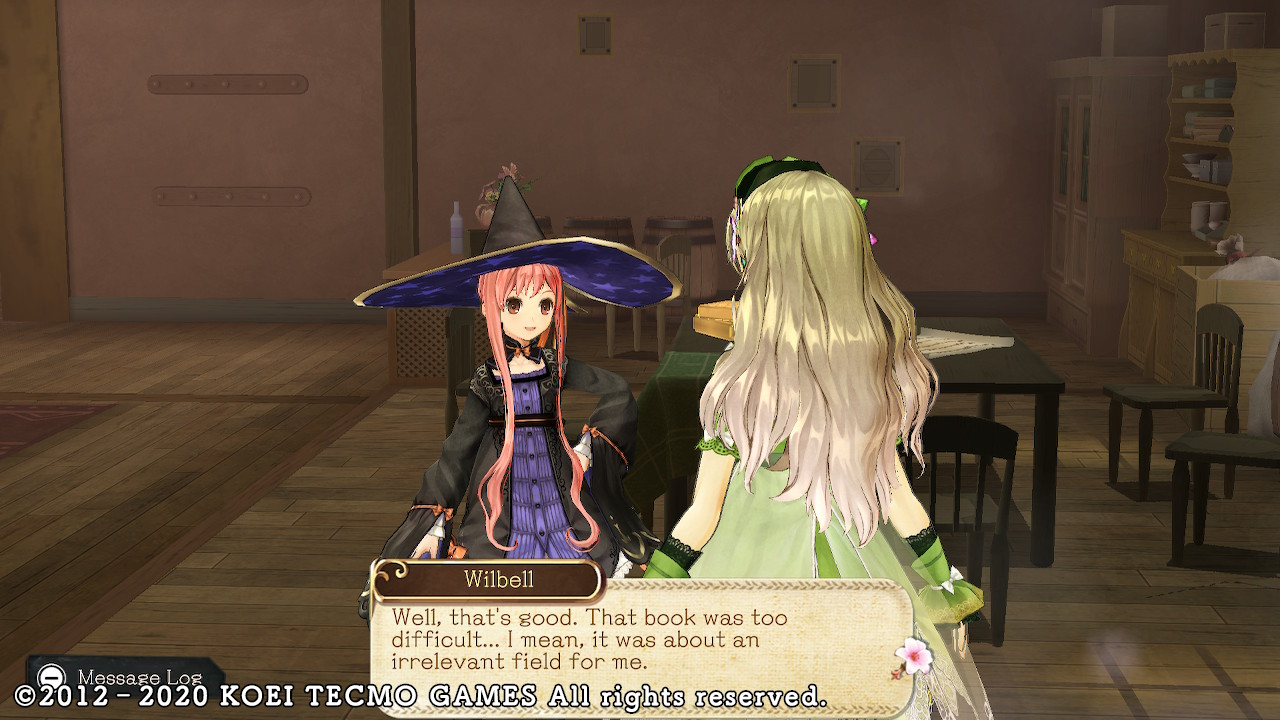
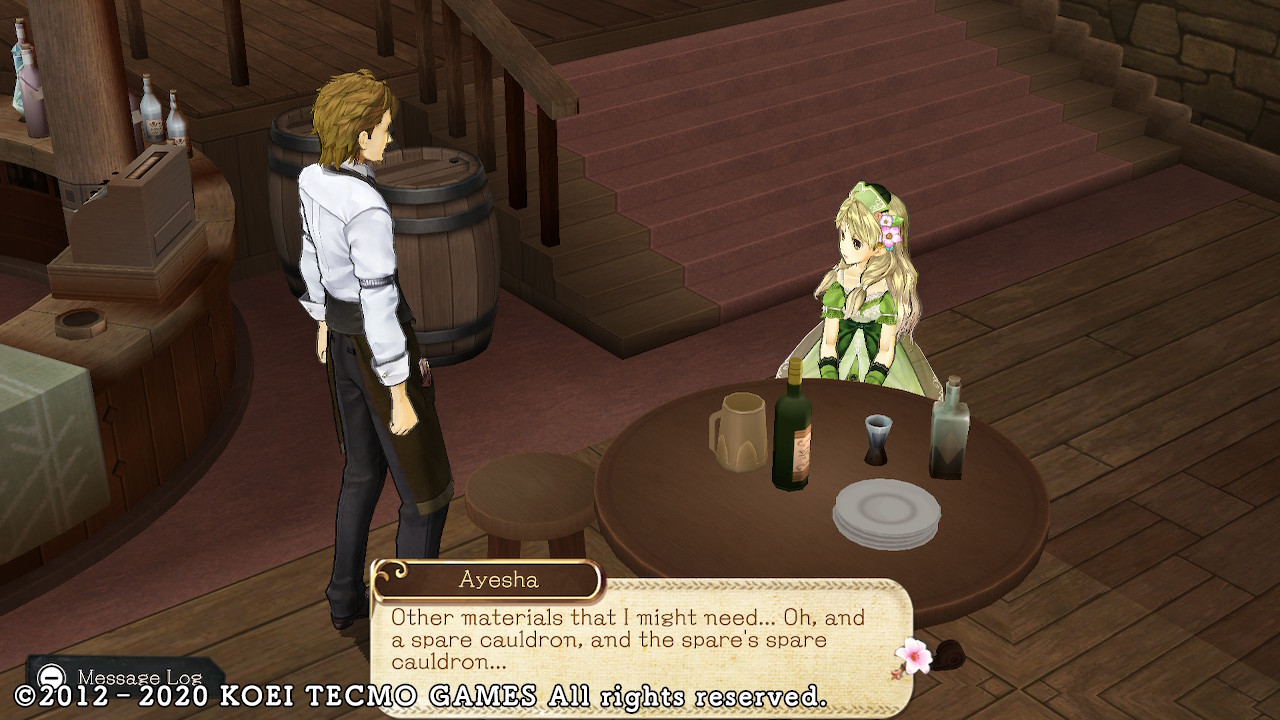
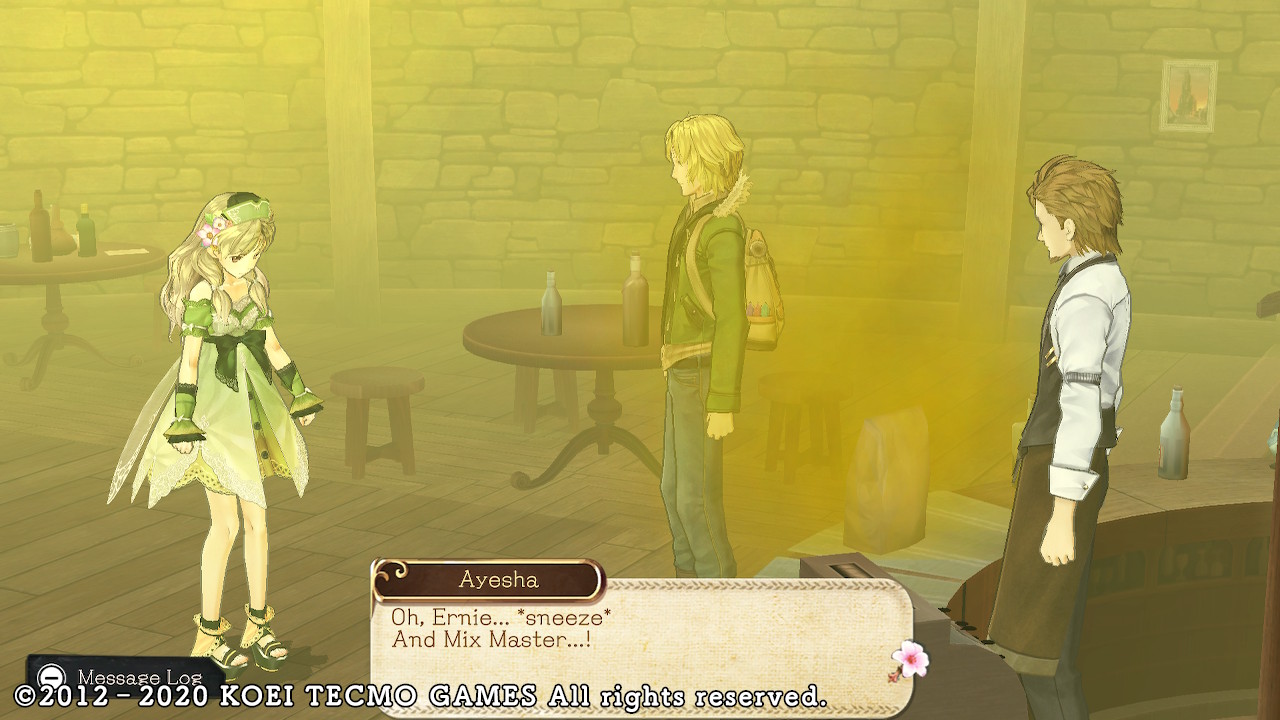
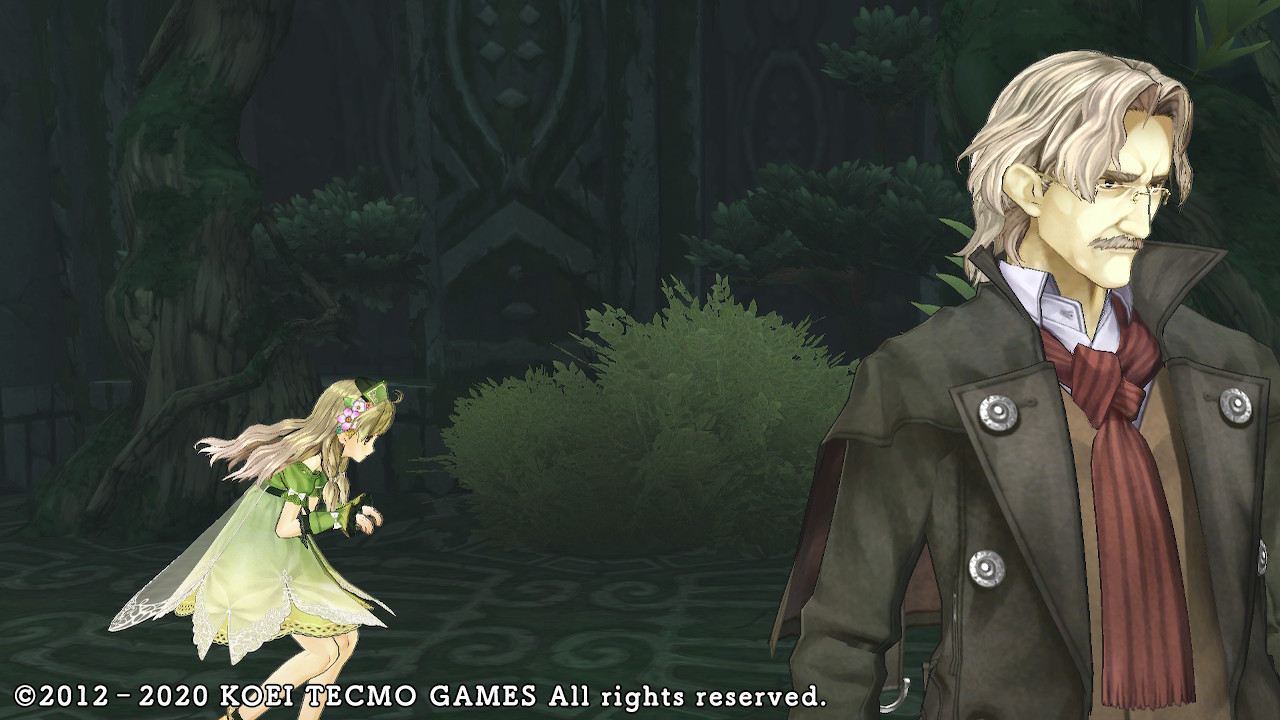
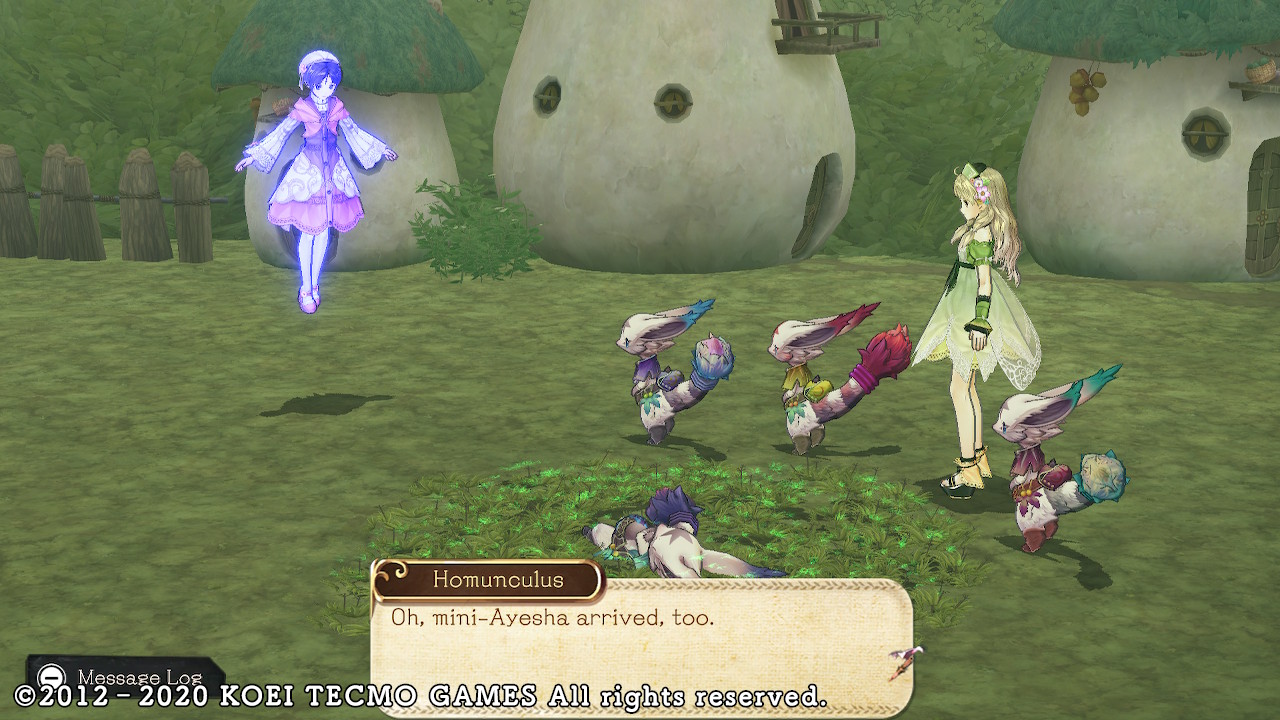
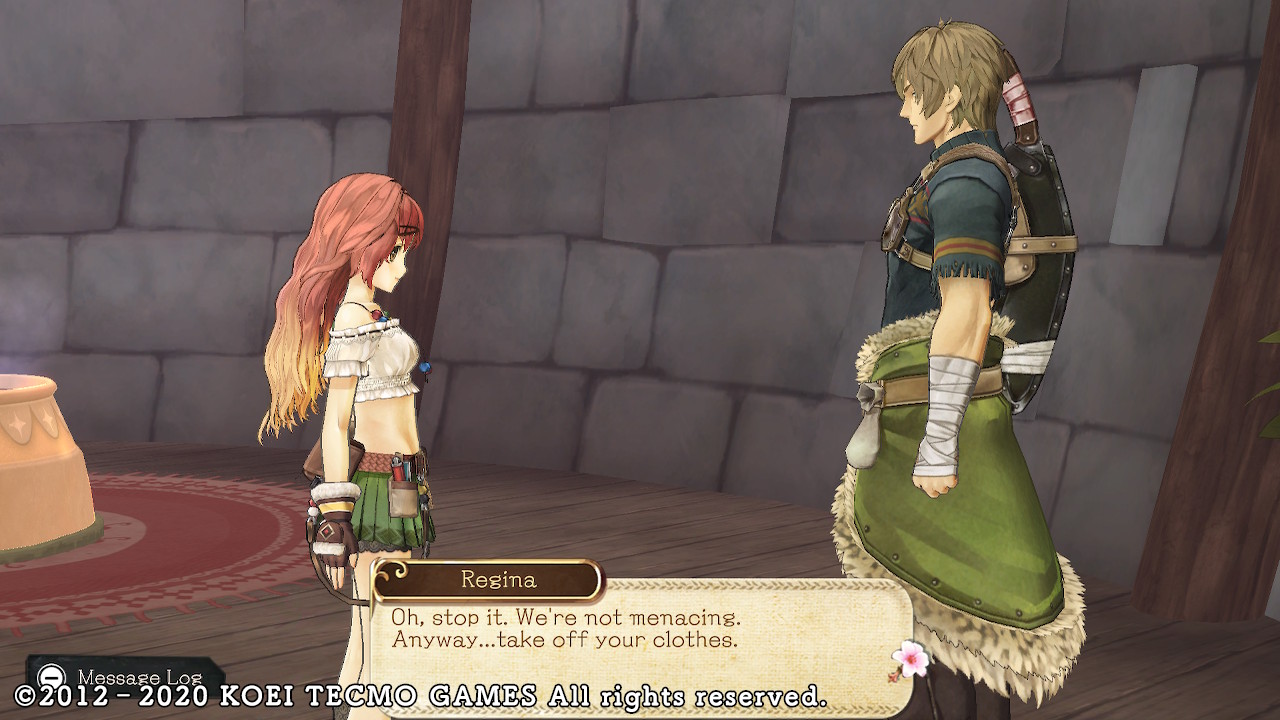
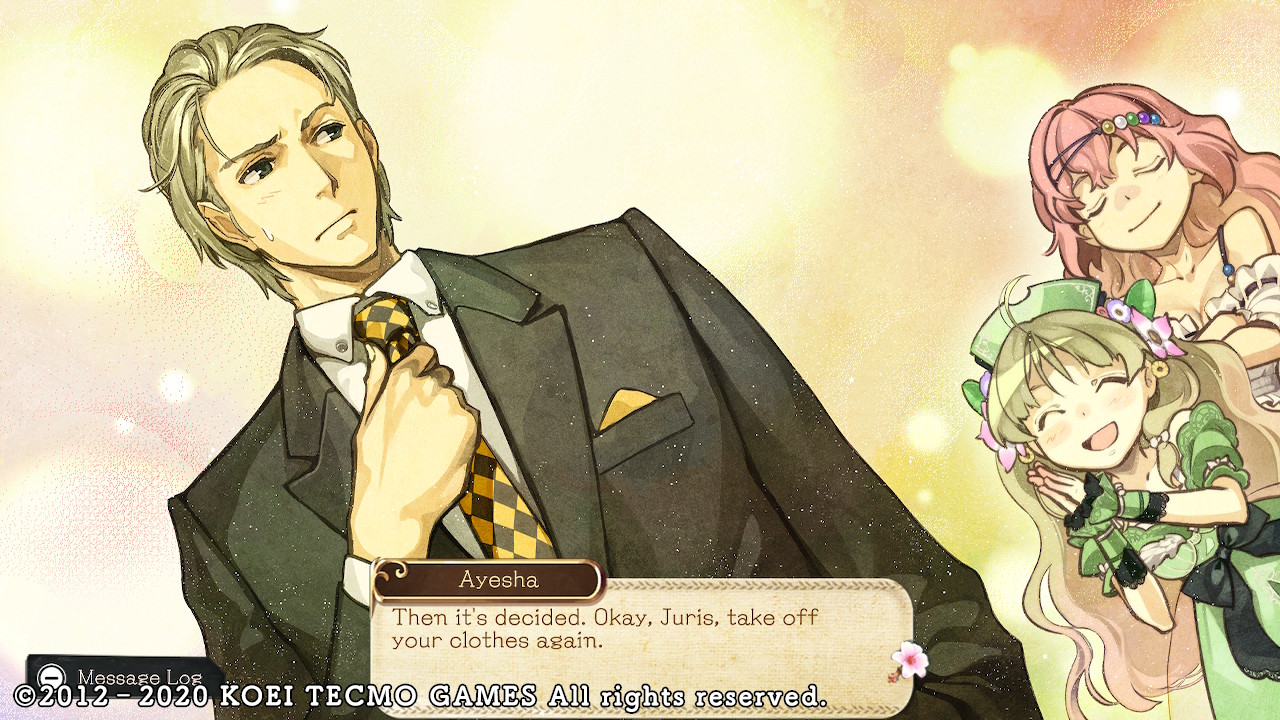
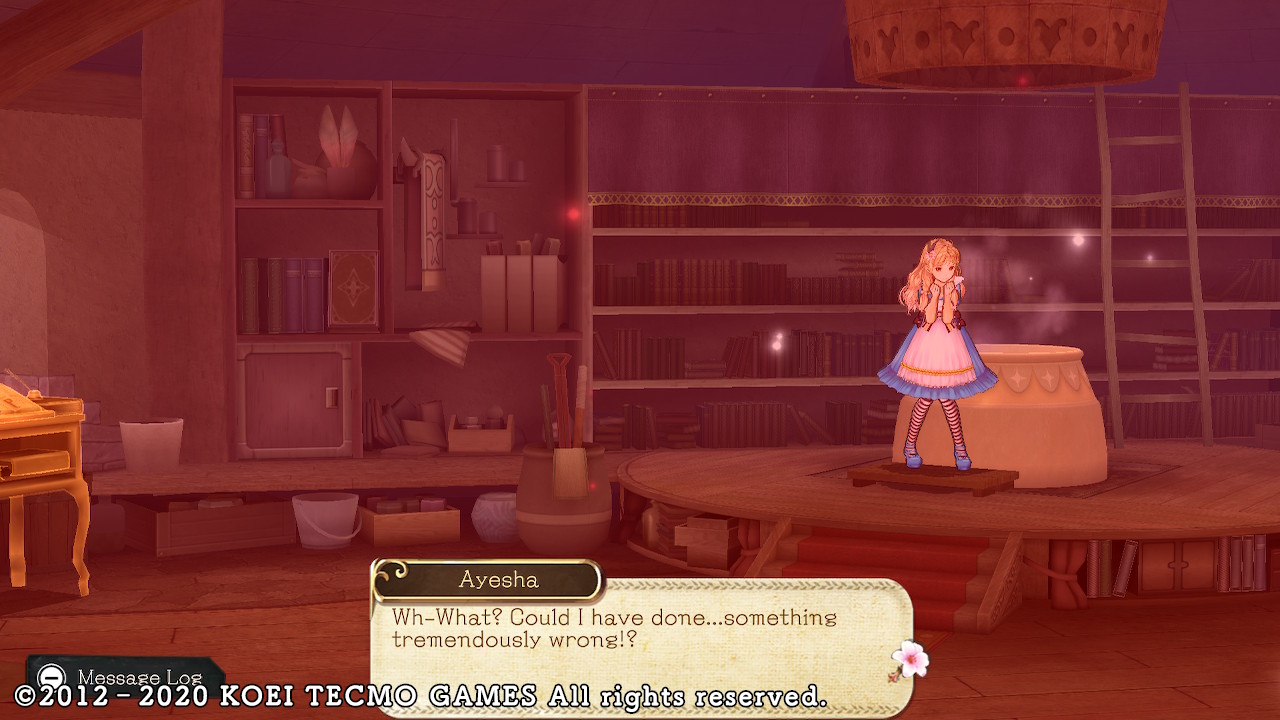
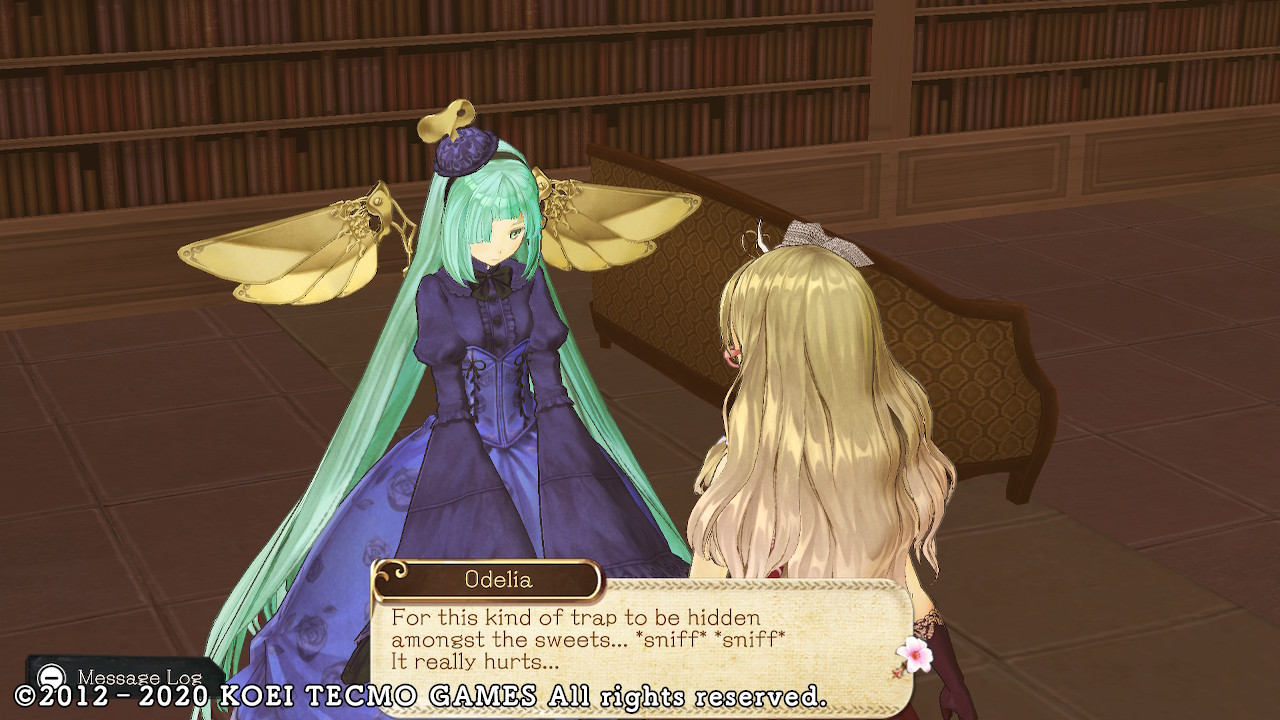
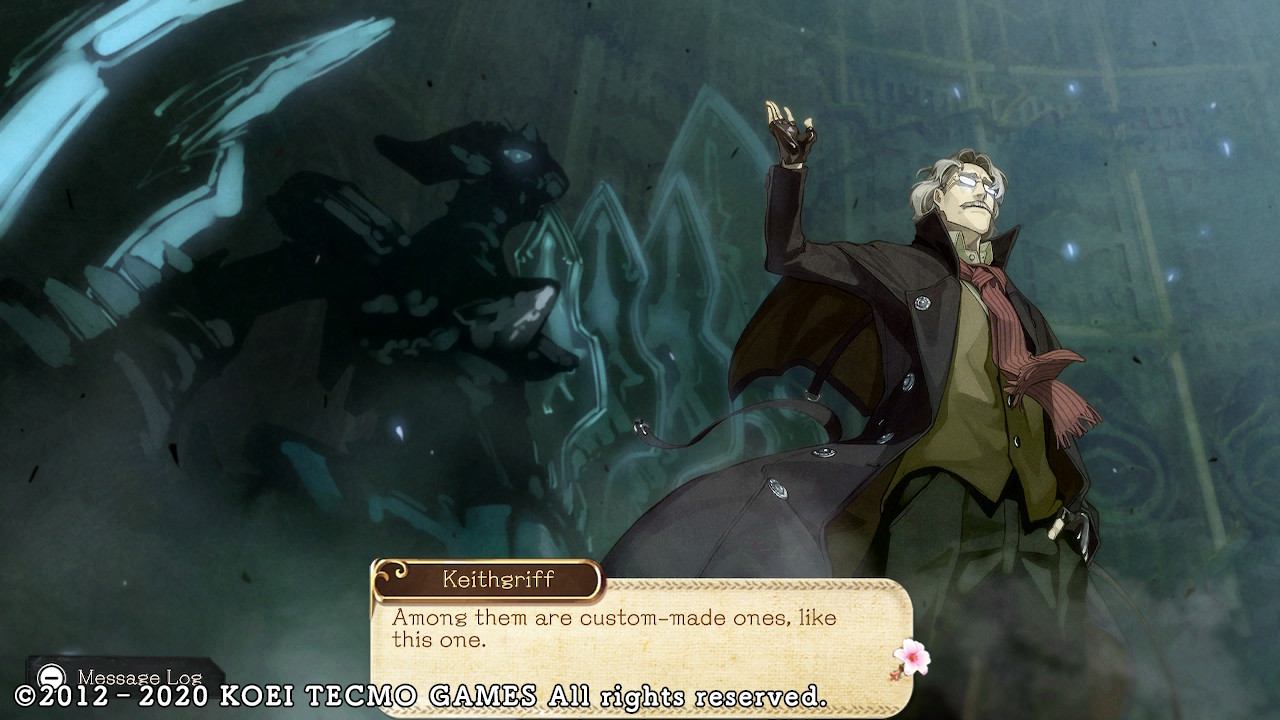
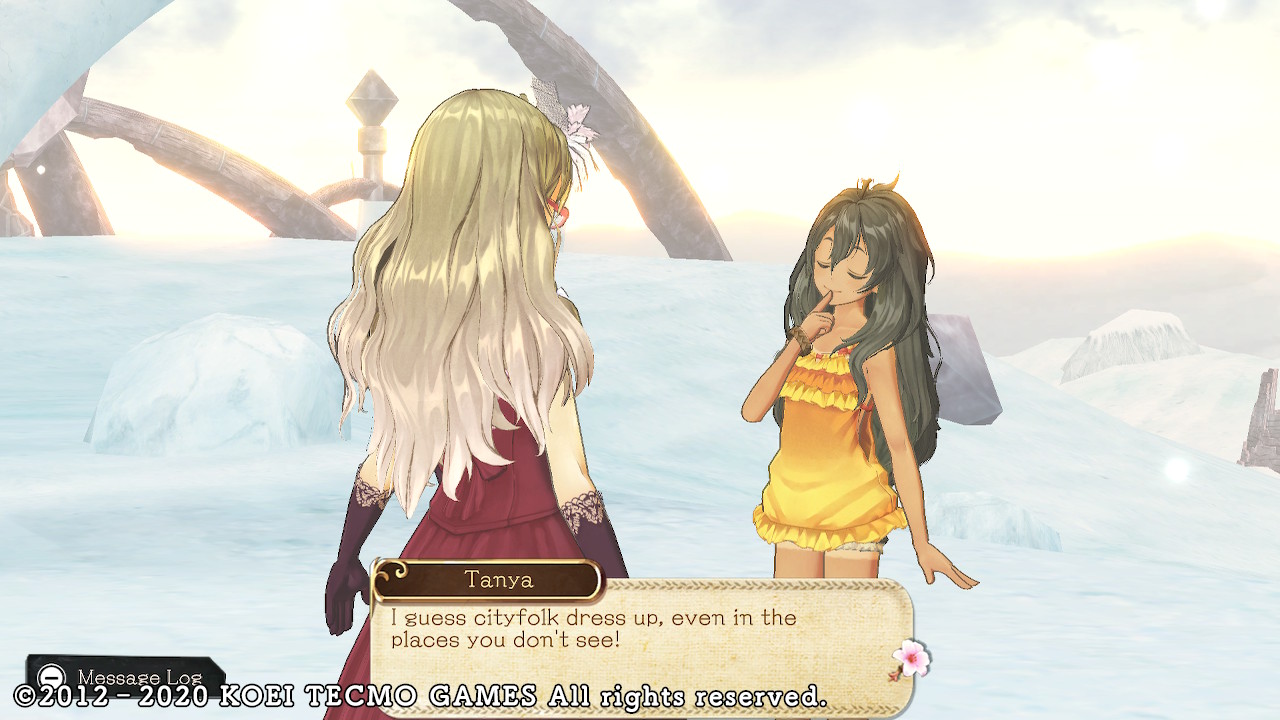
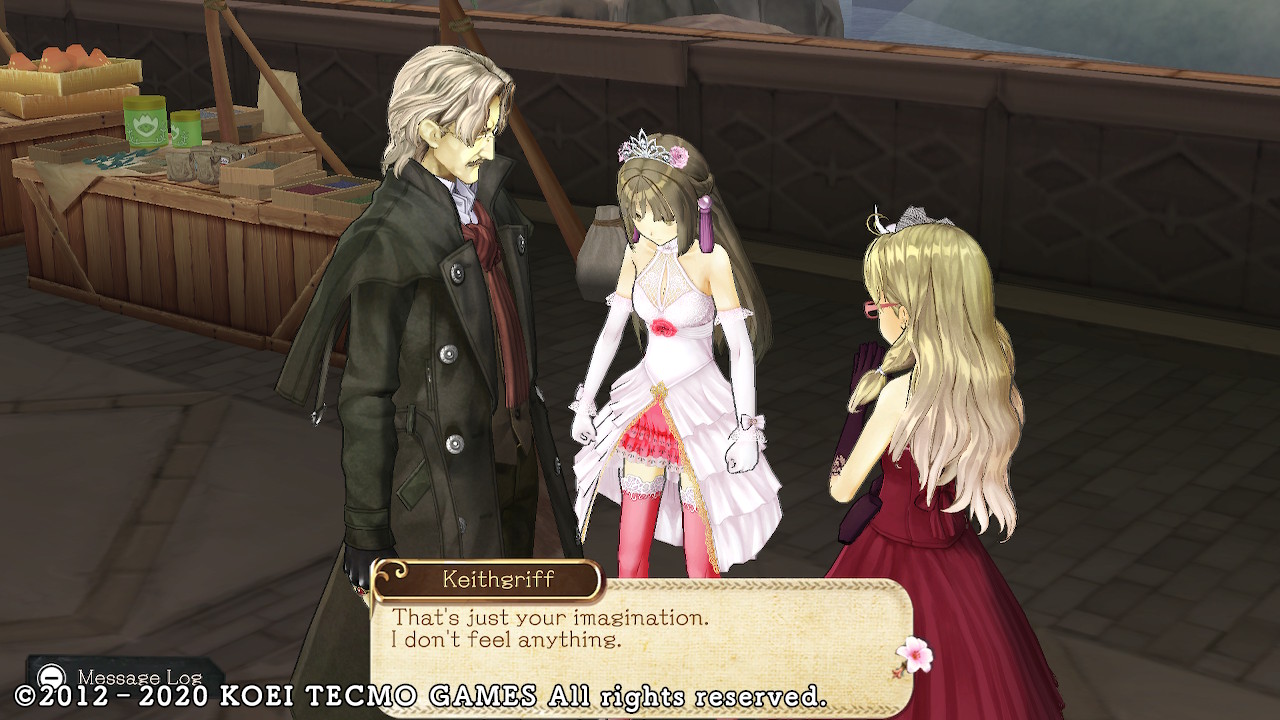
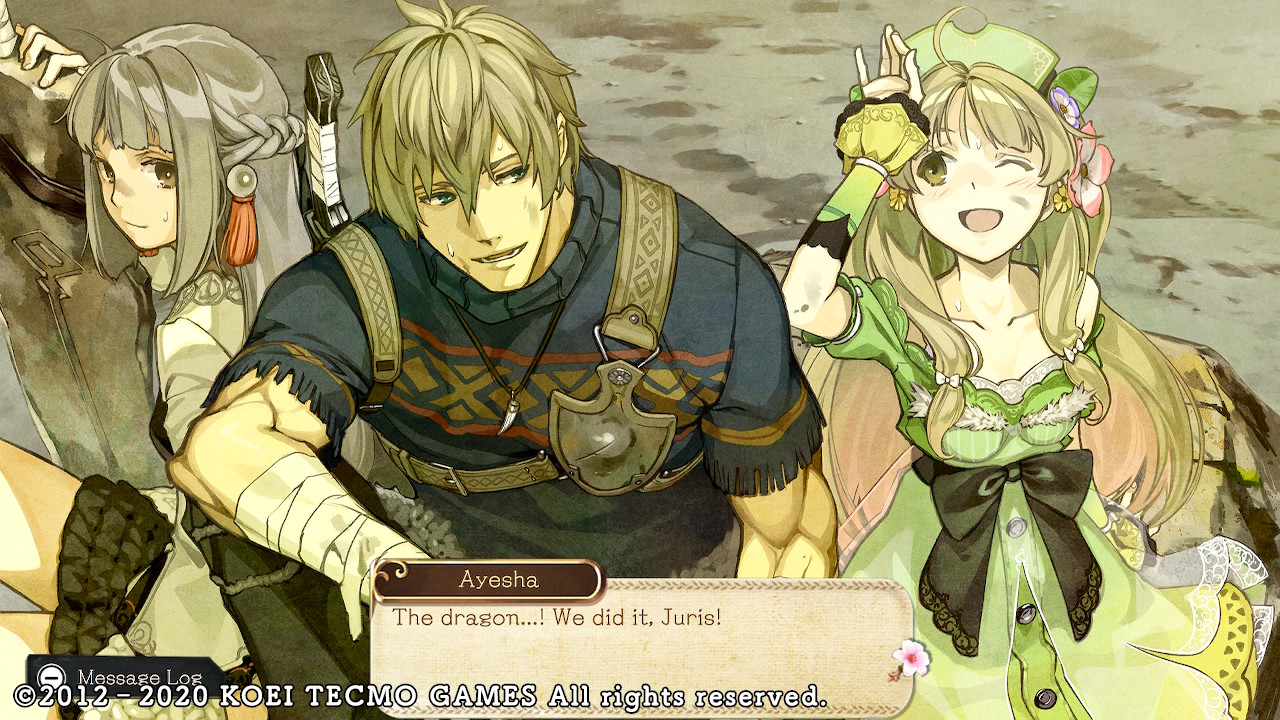
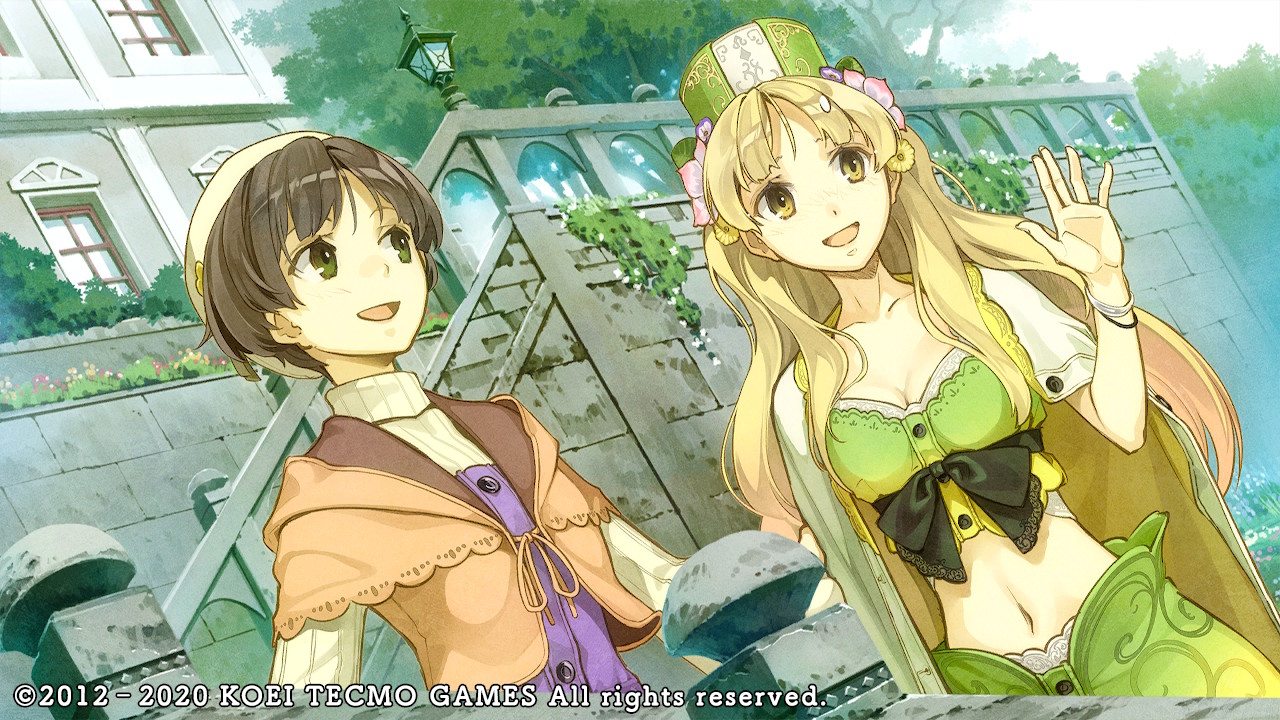
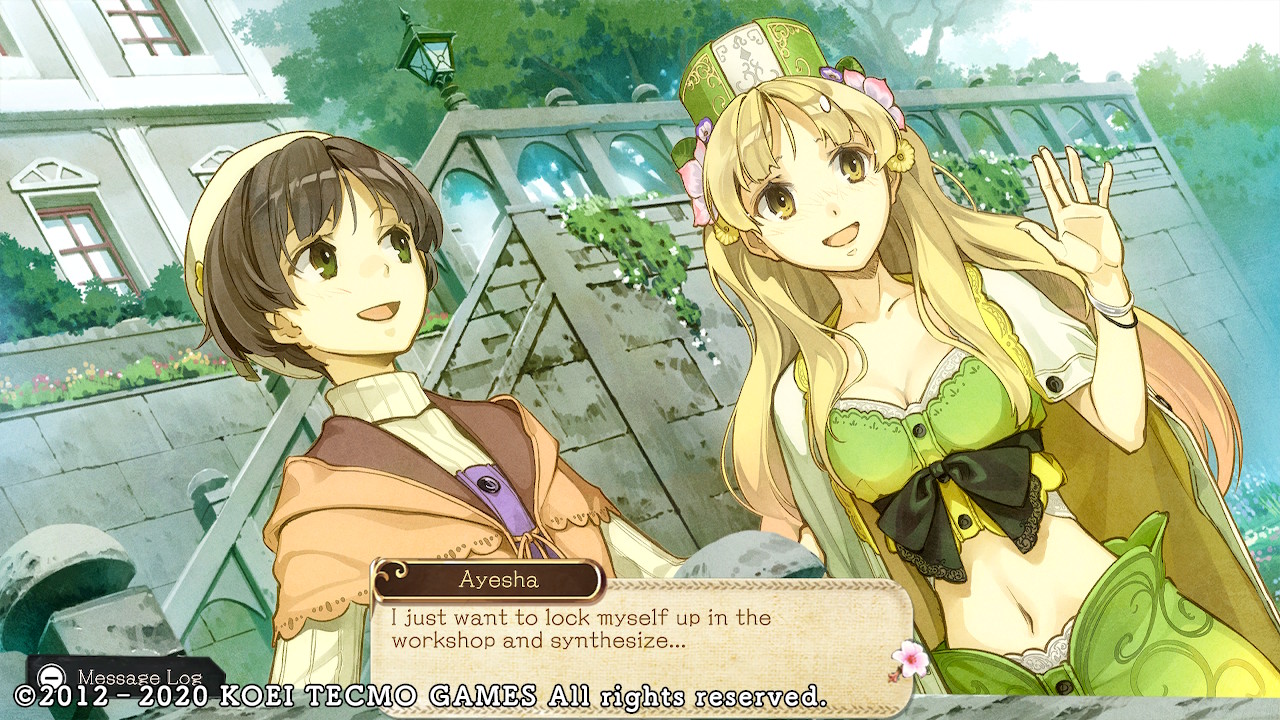
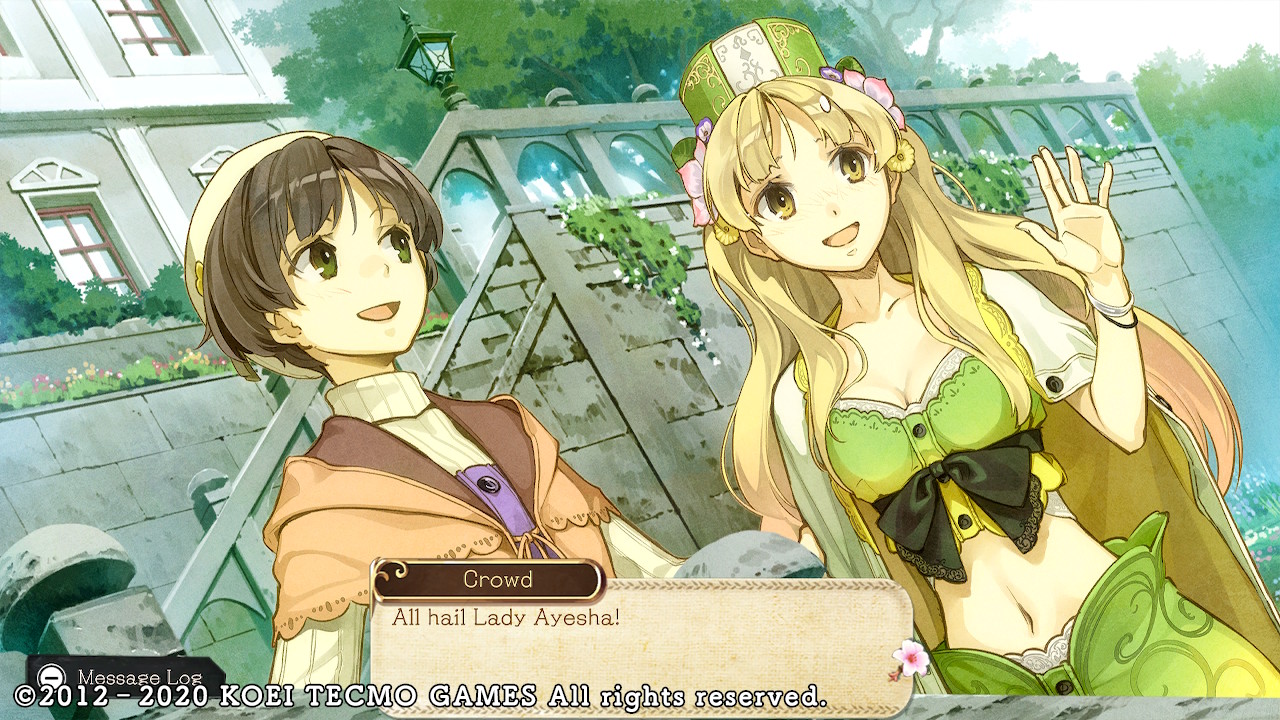
I really loved this game overall! It's probably very unsurprising because I haven't even slightly disliked any of the 6 other games I've played in the series (counting Ryza 3, which I didn't finish), but there really isn't anything that quite scratches the itch this one does. It's cozy and comfy, yet with an immensely fun crafting system and general gameplay loop that manages to strike a really nice balance between rewarding your mechanical achievements, while also giving you a chance to interact with a number of fun and relatable (if not entirely realistic) characters that really make the world feel alive and hopeful. It certainly helps that the art, character design, and music are absolutely top-notch once again, much of which is obvious from the screenshots. After another little break, I'll certainly be back to continue the series with E&L!